
Moroccan Coffee (Nous Nous): The Famous Half-and-Half
Discover the famous Moroccan coffee, a unique blend of coffee and milk, for

Ever stood before a bathroom sink in Marrakesh and wondered if the water is safe? Planning a trip to North Africa raises many health questions. You want to enjoy the spicy tagines and mint tea without getting sick.
Knowing about morocco tap water safety is key for travelers. The country’s water quality varies by region. This can affect you differently than at home.
This guide will help you stay safe and healthy. You’ll learn how to stay hydrated and avoid getting sick. Our aim is to make your trip to Morocco’s souks and deserts perfect.
Let’s dive into the details so you can travel with confidence.
It’s important to know about Morocco’s water systems to understand tap water safety. Morocco has invested a lot in its water supply. But, the systems vary a lot across different areas.
Urban and rural water systems in Morocco are very different. Cities like Casablanca and Marrakech have better water treatment and systems. You can usually count on safe water in these places.
In rural areas, water comes from wells, springs, or simple treatments. These are more likely to be contaminated.
Big cities in Morocco have modern water treatment plants. These plants follow strict water quality standards. They use methods like filtration, disinfection, and sometimes advanced technologies.
Even with good treatment, Morocco’s water distribution network has big challenges. The infrastructure is old, there’s leakage, and sometimes contamination happens. This can make tap water unsafe to drink.
There are plans to improve and keep the network in good shape. This will help reduce these problems.
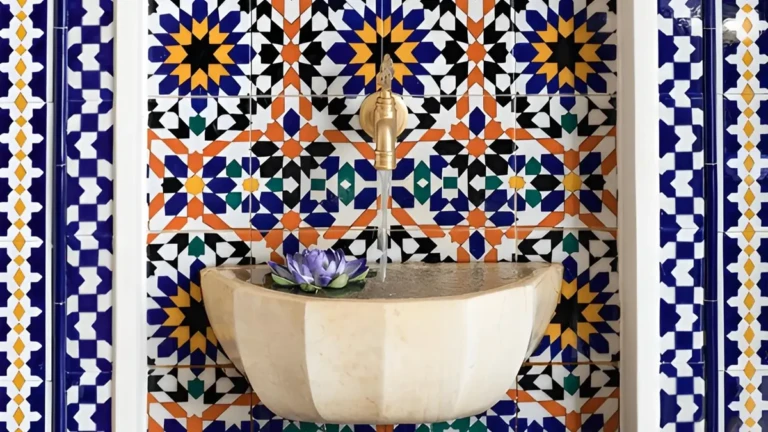
Traveling to Morocco raises a common question: is the tap water safe to drink? The answer varies by location.
In big cities like Marrakech, Rabat, and Casablanca, tap water is usually safe. This is because it’s treated by local water systems.
But, tap water safety drops in rural areas and small towns. This is because their water treatment and systems are less reliable.
Here are some important points to remember:
Drinking tap water in Morocco can lead to health issues. This includes traveler’s diarrhea and other stomach problems. These risks are higher for those not used to the local water.
Exploring Morocco means knowing about its water quality. Morocco has rules to make sure the water is safe to drink. These standards help ensure the water meets quality requirements.
The Moroccan government watches over the water quality closely. The Ministry of Health and the Ministry of Energy, Mines, and Environment work together. They check the water treatment and distribution systems regularly.
They look for contaminants and make sure the water meets national standards. This ensures the water is safe for everyone.
Morocco’s water quality is compared to the World Health Organization’s (WHO) guidelines. Morocco has improved its drinking water a lot. But, there are some differences between local standards and WHO guidelines.
There are plans to close this gap. Upgrading water treatment and improving distribution networks are part of these efforts. Knowing about these plans helps understand the safety and quality of tap water in Morocco.
Many contaminants can be found in Moroccan tap water, which can harm our health. These include biological, chemical, and physical contaminants.
Bacteria like E. coli and Salmonella are big worries in Moroccan tap water. They can cause serious stomach problems. Parasites like Giardia and Cryptosporidium can also make us sick.
These microorganisms often get into the water because of bad treatment or contamination during transport.
Tap water can also have chemical contaminants, including heavy metals. Heavy metals like lead, mercury, and arsenic are dangerous. They can harm our brains and increase cancer risk.
These contaminants can come from agricultural runoff and industrial waste.
Chlorine is used to kill bacteria in tap water. But too much can make the water taste bad. In some places in Morocco, the water might taste or smell off because of high chlorine levels.
It’s important for travelers to Morocco to know about these contaminants. This helps them understand the risks of drinking tap water and how to stay safe.
When you visit Morocco, knowing about tap water risks is key for your health. As a traveler, you’re more likely to get sick from waterborne illnesses. This is because you’re exposed to new places and possibly contaminated water.
Drinking tap water in Morocco can lead to traveler’s diarrhea. This is often caused by bacteria, viruses, or parasites in the water. Symptoms can be mild or severe, including stomach pain, diarrhea, vomiting, and dehydration.
The dangers of tap water in Morocco depend on how long you stay. Short-term exposure might cause stomach problems right away. But long-term exposure could lead to serious health issues, like heavy metal buildup or chronic stomach problems.
Pregnant women, children, and people with weak immune systems face bigger risks. They should be extra careful and find safe drinking water.
Knowing the health risks helps you stay safe in Morocco. It’s important to take precautions during your trip.
Morocco has many safe drinking water options for travelers. Tap water safety can change, but there are good choices to keep you hydrated. You can find clean drinking water everywhere you go.
Bottled water is easy to find in Morocco. Brands like Sidi Ali, Sidi Harazem, and Ain Saiss are well-liked. You can buy water in small bottles or big jugs at stores and from street vendors.
Always check the seal of bottled water for tampering. Look for “eau minérale naturelle” to know it’s natural mineral water.
Refillable water stations are getting more common in Morocco. They’re found in big cities like Marrakech and Rabat. These stations let you fill your bottle with clean water, helping the environment and saving money.
Hotels and riads in Morocco usually offer safe drinking water. They use filtered or bottled water for guests. At restaurants, ask for bottled water, which is often sealed and cold.
Some hotels also give out refillable water bottles or jugs. This makes staying hydrated easy during your visit.
To avoid health issues during your trip to Morocco, it’s key to know how to safely drink water. Staying hydrated is very important, more so when you’re in a new place with different water quality standards.
When you arrive in Morocco, get bottled water right away. This ensures you have safe drinking water for the first few days. It also helps prevent dehydration.
You can find bottled water at supermarkets, convenience stores, and street vendors. Choose well-known brands that are trusted and recognized.
Not all bottled water is the same. Pick brands known for their quality and follow international standards. Always check the bottle seal to make sure it’s not tampered with.
In Morocco, Sidi Ali and Ain Saiss are good brands to look for. They are known for their quality and are easy to find.
Carrying a refillable bottle is handy. Many hotels and riads offer refillable bottles, and you can buy them locally too.
Refilling your bottle at trusted places like your hotel or a known water refill station is smart. It helps reduce waste and keeps you hydrated.
When you order drinks, ask for them without ice. Ice is made from tap water, which might not be safe in Morocco.
By doing this, you lower your risk of getting sick from waterborne pathogens.
Using bottled water for brushing your teeth is also important. Tap water, even if safe for locals, might be risky for travelers with different immune systems.
Following these steps will greatly improve your safety and comfort while in Morocco.
Travelers to Morocco can enjoy a worry-free journey by learning about various water purification methods. Ensuring access to safe drinking water is key, as tap water safety is a concern.
There are several effective methods to purify water, making it safe for consumption. These methods range from portable devices to simple techniques that can be applied in various situations.
Portable water filters and purifiers are highly effective for travelers. Brands like LifeStraw and Sawyer offer compact solutions that can remove bacteria, viruses, and parasites from water.
Purification tablets and drops are another convenient option. They contain disinfectants like chlorine or iodine that kill harmful microorganisms.
Boiling water is a simple and effective method to kill pathogens. Bringing water to a rolling boil for at least one minute can make it safe to drink.
UV light devices, such as those from SteriPen, use ultraviolet light to kill bacteria and viruses. These devices are portable and easy to use.
By utilizing these water purification methods, you can significantly reduce the risk of waterborne illnesses during your trip to Morocco.
Exploring Morocco means being careful with water safety. Knowing how water is used in different places helps keep you safe and healthy.
Hotels and riads usually offer bottled or filtered water. But, it’s smart to ask your host about it.
Be careful with water in food at restaurants and street vendors.
Use bottled or filtered water to wash fruits and vegetables.
Be careful about water quality in swimming pools and hammams.
Knowing these water safety tips can help you avoid problems in Morocco. Always be cautious with drinking water and watch out for contamination risks.
Falling ill from contaminated water is a traveler’s worst fear. But being ready can help a lot. If you get sick from tap water in Morocco, knowing how to act can help you get better.
The first step is to know the signs of waterborne illnesses. These can be diarrhea, vomiting, stomach cramps, and fever. If you have these symptoms after drinking tap water, act fast.
For mild cases, you can use over-the-counter meds like antacids and anti-diarrheal drugs. Also, drink lots of bottled or purified water to stay hydrated. Pack:
If your symptoms get worse or don’t go away, see a doctor. Watch for signs like severe dehydration, bloody stools, or a high fever. Morocco has good hospitals in big cities. Your hotel or local contacts can help find one.
The safety of tap water in Morocco changes a lot depending on where you are. In big cities like Marrakech and Rabat, the water is mostly safe. But in rural areas, the risk is higher because of less strict water treatment and distribution.
To have a healthy and fun trip, be careful with tap water. Choose bottled or filtered water, use purification methods, and watch where you drink. Whether you’re in the busy souks or a riad, staying safe and hydrated is important for a great Moroccan experience.
Knowing about local water quality and taking the right steps helps you stay safe in Morocco. So, is tap water safe in Morocco? It really depends on your location. But with the right information and precautions, you can enjoy your travels safely.
Tap water in Morocco is safer in cities like Casablanca and Rabat. But, it’s best to avoid drinking it directly. Your body might not adjust to the minerals or bacteria, causing stomach issues. Stick to bottled or purified water for drinking.
Traveler’s diarrhea is a common issue due to unfamiliar bacteria. In some cases, it can lead to serious stomach problems or parasitic infections. Being cautious with your drinking water can help you avoid these issues.
Using tap water for brushing teeth is usually okay in big cities. But, if you have a sensitive stomach or are in a rural area, use bottled water. This includes rinsing your toothbrush and mouth.
Look for Sidi Ali, Ain Saiss, and Ciel (Coca-Cola’s brand) at stores or “hanouts.” Make sure the plastic seal is not broken before buying.
Feel free to contact us via email, phone, or WhatsApp chat.
Discover the famous Moroccan coffee, a unique blend of coffee and milk, for
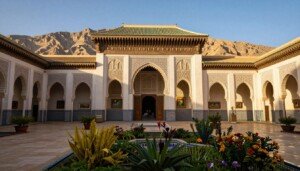
Did you know a Moroccan palace can hold over a thousand years of
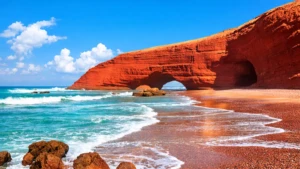
Discover the stunning Legzira Beach in Morocco – a must-visit destination with towering
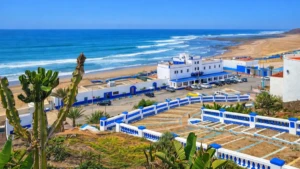
Explore the best things to do in Sidi Ifni, from beaches and views
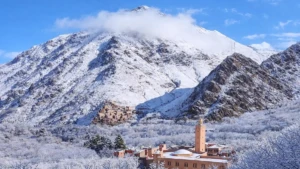
Discover the top things to do in Imlil, Morocco, from hiking the Atlas
Discover the top things to do in Dakhla, Morocco—your ultimate guide to this
Plan your perfect trip to Al Hoceima, Morocco. Our how-to guide reveals the