
Moroccan coffee is one of the most underrated parts of Morocco’s food and travel culture. Many visitors arrive expecting mint tea everywhere, and yes, Moroccan mint tea is ceremonial, generous, and deeply symbolic. But coffee is different. Moroccan coffee belongs to the everyday rhythm of the country: the quick pause before work, the slow conversation after lunch, the street-café moment where people watch the city move.
In Morocco, coffee is rarely just a caffeine drink. It is a cultural habit, a social excuse, and sometimes a fragrant blend where dark-roasted beans meet cinnamon, cardamom, ginger, nutmeg, cloves, and black pepper. This is where moroccan spiced coffee becomes more than a recipe. It becomes a warm, aromatic expression of Moroccan hospitality.
And unlike the fast takeaway coffee culture in many countries, Moroccan coffee often invites you to sit down. The cup is small, but the moment is long.
1. The Cultural Tapestry: More Than Just a Drink
Walk through Rabat, Marrakech, Casablanca, or Fez, and you will notice how cafés spill onto sidewalks. Chairs face the street, not just the tables. This is not random. The Moroccan café works almost like an urban living room, a place where people gather, pause, talk, think, and watch life pass by.
In Rabat, the café atmosphere can feel calm and intellectual. People sit with newspapers, laptops, or quiet conversations. In Fez, coffee feels connected to heritage, old medina rhythms, and traditional daily rituals. In Marrakech, especially near busy areas like Gueliz or around the medina, coffee becomes restorative: a pause from the energy of souks, traffic, and Jemaa el-Fna.
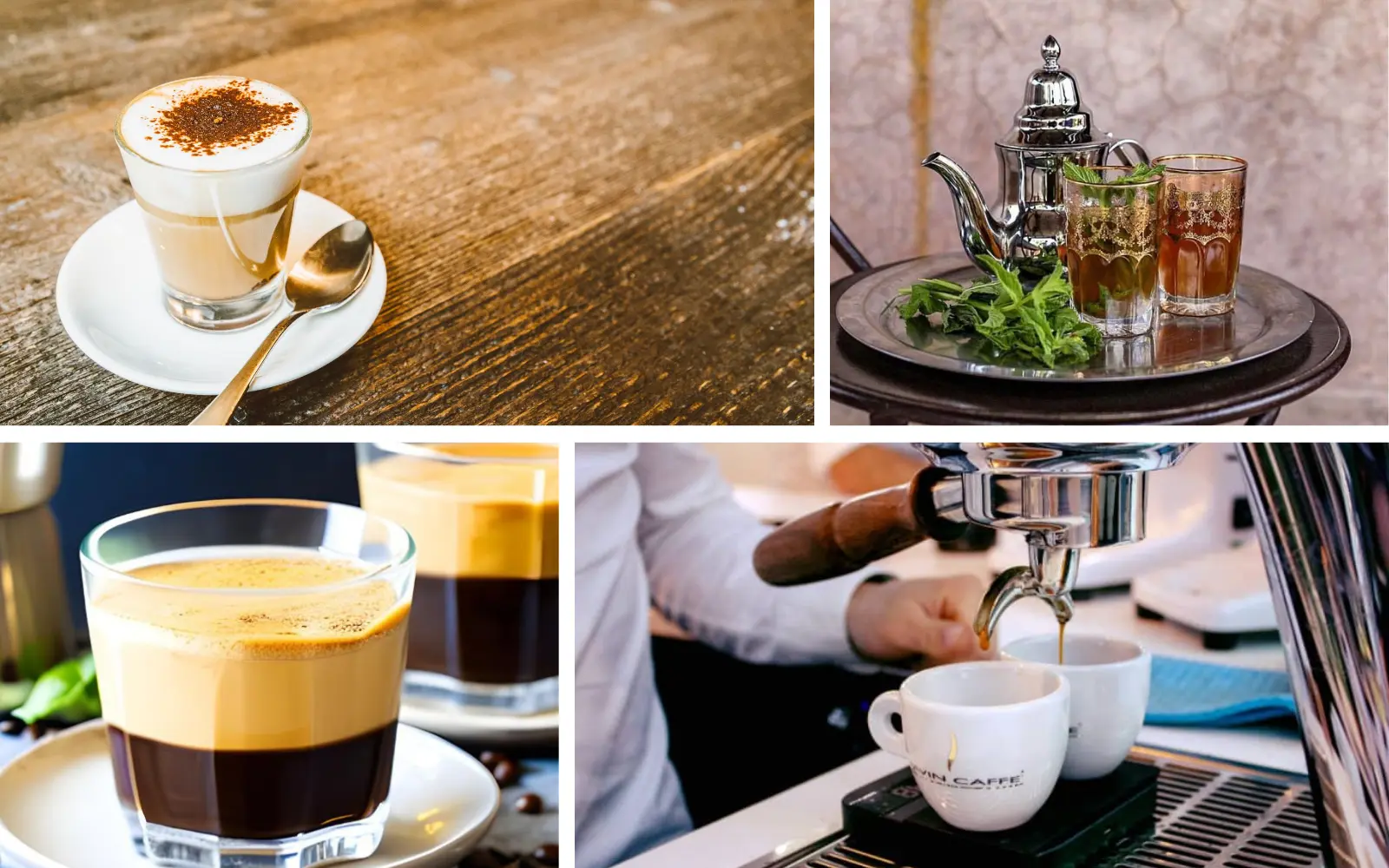
Moroccan cafés usually keep coffee choices simple. Two common orders are café noir, similar to a small espresso, and nous nous or noss noss, meaning “half-half,” usually half coffee and half milk. Several Morocco travel and food sources describe nous nous as a popular local café order, often served in a glass and commonly associated with women in urban café culture, although anyone can order it.
This is important for travelers: Moroccan coffee culture is not about complicated menus. It is about knowing what to ask for, sitting with confidence, and enjoying the atmosphere like a local.
2. The Botanical Profile: 7 Essential Spices in Moroccan Coffee
A good moroccan coffee recipe often begins with dark coffee and warm spices. The exact blend changes from family to family, but the most common Moroccan spiced coffee recipe includes cinnamon, ginger, cardamom, nutmeg, cloves, and black pepper. Some versions also add allspice or anise for extra depth.
| Spice | Flavor Profile | Why It Works in Moroccan Coffee | Traditional Wellness Note |
|---|---|---|---|
| Cinnamon | Sweet, warm, woody | Softens bitterness and adds comfort | Often linked with warmth and digestion |
| Ginger | Spicy, fresh, sharp | Gives energy and brightness | Traditionally used for digestion and nausea |
| Cardamom | Floral, citrusy, aromatic | Adds Middle Eastern-style perfume | Known for freshness and stomach comfort |
| Nutmeg | Sweet, earthy, rich | Gives depth and dessert-like warmth | Used in small amounts for soothing warmth |
| Cloves | Strong, sweet, intense | Adds bold aroma and complexity | Traditionally valued for its strong warming quality |
| Black Pepper | Sharp, warming, bold | Balances sweetness and wakes up the cup | Often used to stimulate digestion |
| Allspice or Anise | Sweet, licorice-like | Optional layer for deeper aroma | Used in some home-style spice blends |
For a practical batch, mix your spices into a full pound of ground coffee. This is the secret that makes authentic moroccan coffee easy for everyday use.
Simple Batch Ratio for 1 Pound of Ground Coffee
Use:
- 2 teaspoons ground cinnamon
- 1 teaspoon ground ginger
- 1 teaspoon ground cardamom
- ½ teaspoon ground nutmeg
- ½ teaspoon ground cloves
- ¼ teaspoon black pepper
- Optional: ¼ teaspoon allspice or anise
Mix everything very well and store it in an airtight glass jar. This large-batch method is used in several Moroccan-style home recipes because it makes spiced coffee as easy as brewing normal coffee.
From a wellness angle, many people enjoy Moroccan spiced coffee because the spices make the drink feel warmer and gentler. Some traditional food cultures view spices like ginger, cinnamon, and cardamom as helpful for digestion. However, claims like “IBS fix” or “immune boost” should be treated as personal or anecdotal experiences, not medical advice. The safe way to present it: Moroccan coffee may feel soothing after a meal, especially because of its warming spices.
3. Master Class: How to Brew Authentic Moroccan Coffee
The best moroccan coffee is not difficult to make. The real trick is balance. You want the spices to perfume the coffee without overpowering it.
Method 1: Moka Pot Moroccan Coffee
The stainless steel moka pot is very common in Moroccan homes today. It is practical, affordable, and makes a strong coffee that works beautifully with spices.
You need:
- 2 tablespoons Moroccan spiced coffee blend
- Water for the bottom chamber
- Sugar, optional
- Milk, optional for a nous nous style
Steps:
- Fill the bottom chamber with water up to the safety valve.
- Add the spiced coffee blend to the filter basket. Do not press it too hard.
- Screw the moka pot together and place it over medium heat.
- When the coffee rises, remove it from heat.
- Serve small and strong, or add hot milk for a nous nous version.
This method creates a bold cup, perfect for anyone who wants an authentic moroccan coffee experience at home.
Method 2: French Press Moroccan Coffee
The French press is excellent for spice infusion because the coffee and spices steep together.
Steps:
- Add 2 tablespoons of spiced coffee to the French press.
- Pour in 1 cup of hot water.
- Stir gently.
- Let it steep for 4 minutes.
- Press slowly and serve.
This method gives a softer, rounder taste. It is ideal if you want the cinnamon, cardamom, and ginger to open fully.
Method 3: Traditional Heritage Style
In older or more ceremonial settings, coffee may be associated with long-spouted pots and graceful pouring. The famous high pour is more commonly linked to tea service, but the idea is similar: presentation matters. Moroccan hospitality is visual, aromatic, and generous.
4. Beyond the Basics: Modern Fusion & Viral Twists
Moroccan coffee can also be modern and creative. Travelers and food bloggers increasingly adapt Moroccan flavors into desserts, iced drinks, and café-style recipes.
Moroccan Affogato with Amlu
Amlu is a Moroccan spread made with almonds, argan oil, and honey. To make a Moroccan-style affogato, coat the inside of a small cup with amlu, add a scoop of vanilla ice cream, then pour hot Moroccan spiced coffee over it. Finish with roasted almonds and dried rose petals.
It is rich, nutty, aromatic, and perfect for a Moroccan dinner party.
Iced Moroccan Spiced Coffee
For summer, brew a strong Moroccan spiced coffee and chill it. Serve over ice with sweetened condensed milk or coconut condensed milk. Add cacao nibs for crunch and a dessert-like finish.
Festive Moroccan Coffee Mocktail
Instead of a boozy version, which is more Western than Moroccan, you can make a family-friendly festive cup. Warm your spiced coffee with orange peel, a little honey, and a touch of vanilla. Serve it in small glasses with cinnamon on top.
This keeps the Moroccan flavor profile while staying suitable for more travelers and families.
5. The Hosting Ritual: Serving and Etiquette
Moroccan coffee is best served with something sweet. Good pairings include dates, roasted almonds, walnuts, briouats with almonds, fekkas, ghriba, or kaab el ghazal, also known as gazelle horns.
Sugar is also important. Many Moroccans enjoy coffee sweet, especially when spices are involved. Sugar helps round the bitterness of dark coffee and brings out the warm flavor of cinnamon, cloves, and cardamom. You can serve sugar on the side, but if you want the Moroccan-style experience, a lightly sweetened cup feels more traditional.
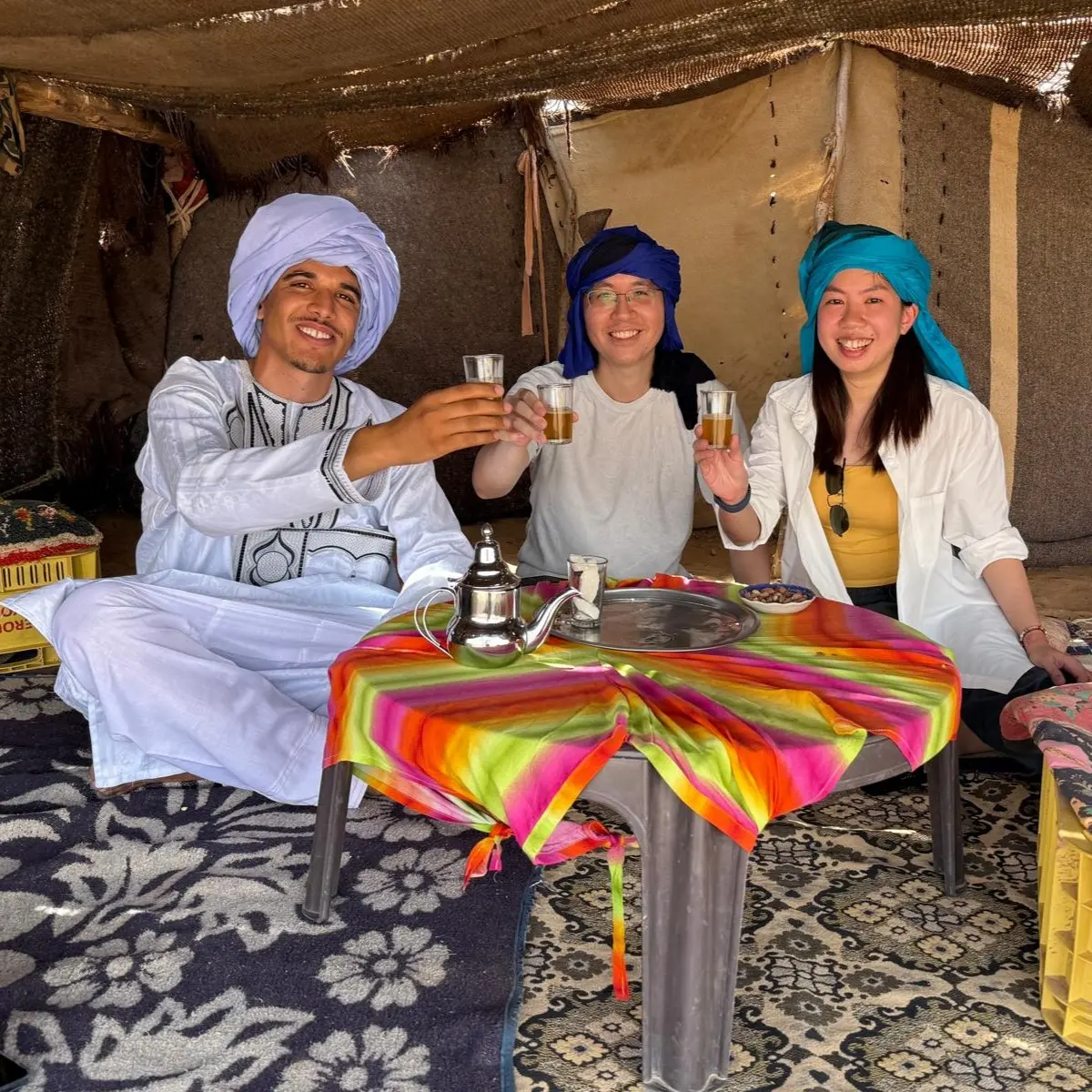
For guests, serve Moroccan coffee in small cups or glasses. Do not rush it. Offer water, something sweet, and a warm welcome. The beauty of Moroccan coffee is not only in the drink, but in the pause it creates.
6. Moroccan Coffee for Travelers: What to Order in Morocco
When visiting Morocco, keep these simple café orders in mind:
Café noir: a small black coffee, similar to espresso.
Nous nous / noss noss: half coffee, half milk.
Café crème: coffee with milk, usually larger and softer than café noir.
Spiced coffee: more common in homes or special recipes than in everyday street cafés.
This detail matters because many visitors expect to find moroccan spiced coffee everywhere, but in regular cafés, you are more likely to see café noir and nous nous. Spiced versions are often homemade or served in more curated food experiences.
7. FAQ: Expert Tips for the Home Barista
What roast should I use for Moroccan coffee?
Use medium-dark or dark roast. The spices need a strong coffee base. A light roast can taste too acidic and may clash with cloves, pepper, and nutmeg.
Is Moroccan coffee the same as Turkish coffee?
No. Turkish coffee is usually very finely ground and brewed in a cezve, often unfiltered. Moroccan coffee is more flexible. It can be brewed in a moka pot, French press, espresso machine, or traditional pot. The Moroccan version also often focuses on a warm spice blend, especially cinnamon, ginger, cardamom, cloves, nutmeg, and black pepper.
Should I use whole spices or ground spices?
Whole spices ground fresh give the best aroma. However, ground spices are easier and more practical. For a daily moroccan coffee recipe, use ground spices and store the blend in an airtight jar.
Can I make Moroccan coffee without sugar?
Yes. But if you want a more local-style flavor, add a little sugar. Moroccan coffee is often enjoyed sweet, especially when milk or spices are added.
Can I make nous nous at home?
Yes. Brew strong coffee or espresso, then add the same amount of hot milk. The name means half-half, which makes it simple to remember.
Is Moroccan spiced coffee healthy?
It can be a comforting drink when enjoyed in moderation. Spices like ginger and cinnamon are traditionally associated with digestion and warmth, but Moroccan coffee should not be treated as a medical remedy. Enjoy it as part of a balanced lifestyle.
8. Final Thoughts: A Small Cup With a Big Story
Moroccan coffee tells a different story from mint tea. Tea is ceremonial. Coffee is daily. Tea welcomes the guest. Coffee sits with the city. It lives in street cafés, family kitchens, morning routines, and long conversations that stretch far beyond the last sip.
Whether you order a nous nous in Marrakech, drink café noir in Rabat, or prepare your own Moroccan spiced coffee recipe at home, you are tasting more than coffee. You are tasting Morocco’s love for warmth, spice, patience, and connection.
And that is the real secret of moroccan coffee: it is not made to be rushed.