
If you typed morocco facts interesting into Google, you are probably looking for more than a random list of trivia. You want the kind of facts that make Morocco easier to understand, more exciting to visit, and more memorable long after your trip ends. That is exactly what makes Morocco so fascinating: it is a North African kingdom with Atlantic and Mediterranean coastlines, a population of about 38.1 million people, and a tourism sector that welcomed 17.4 million visitors in 2024.
What makes these interesting facts about Morocco so compelling is that they are not disconnected pieces of information. They all link back to Morocco’s identity: a country shaped by Amazigh roots, Arab influence, African geography, Andalusian heritage, and centuries of trade across land and sea. Arabic and Tamazight are the official languages, while Darija is widely spoken in daily life; French remains important, Spanish is common in some regions, and English is growing fast.
1. Quick answer: What is Morocco famous for?
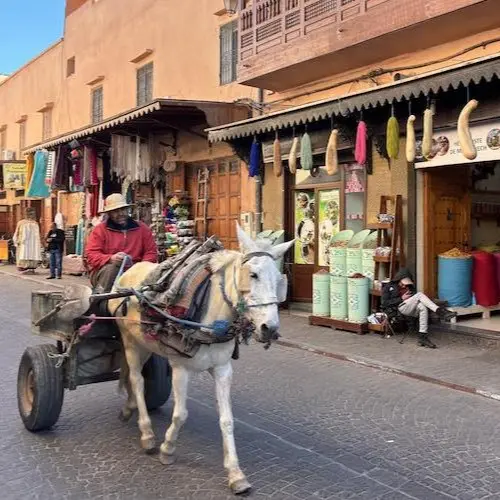
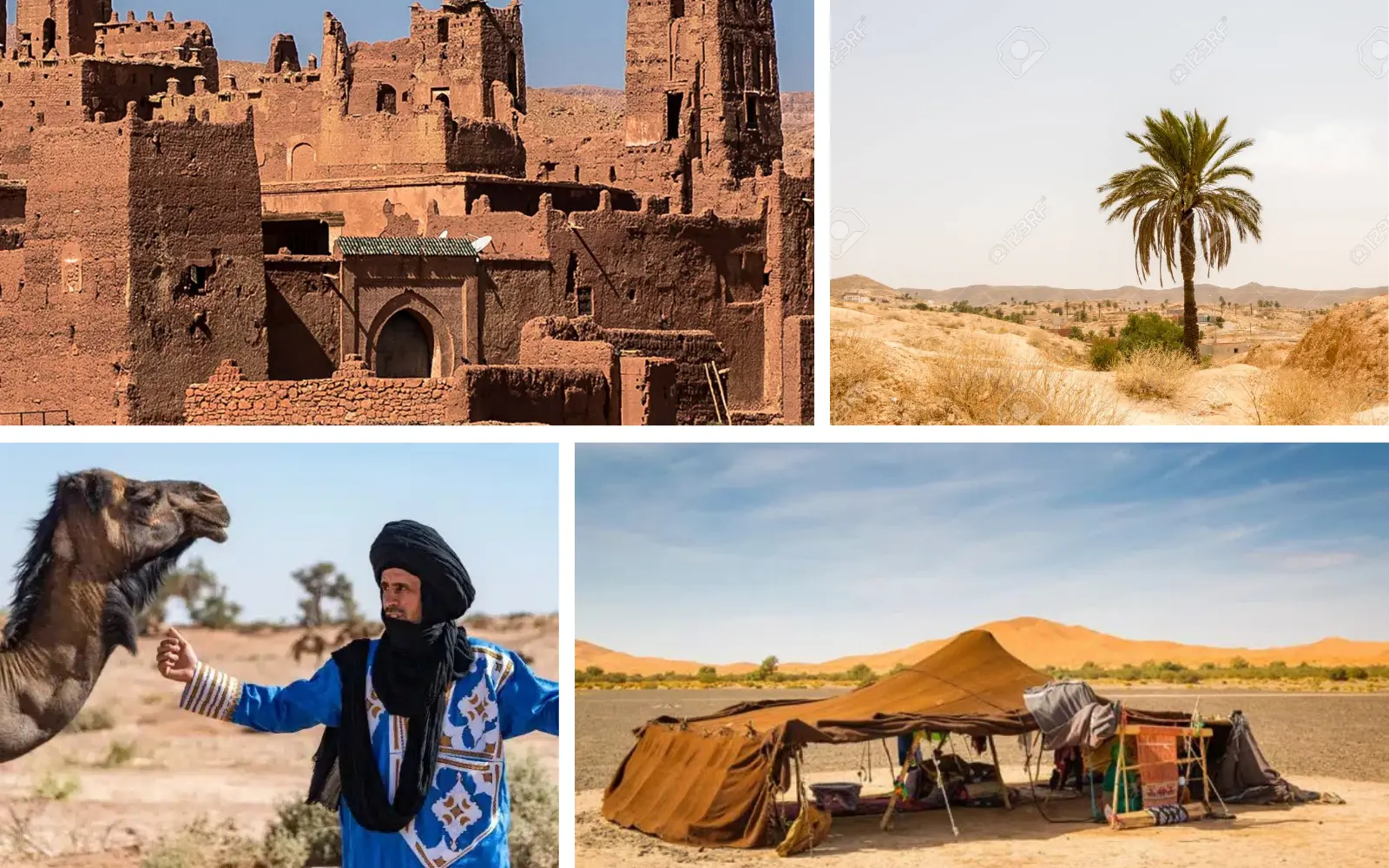
If someone asks what is Morocco famous for, the best answer is this: Morocco is famous for variety. In one trip, you can explore imperial cities, mountain villages, desert dunes, Atlantic beaches, Roman ruins, colorful souks, and centuries-old medinas. It is also known for its hospitality, tea culture, craftsmanship, and powerful visual identity, from the red walls of Marrakech to the blue lanes of Chefchaouen.
That variety is why fun facts about Morocco never feel shallow when they are explained properly. A fact about language tells you something about history. A fact about food reveals something about family life. A fact about geography explains why the country feels so different from one city to the next. Morocco is not just photogenic; it is layered. That is what gives its culture depth and gives travelers so many reasons to return.
2. Geography facts that make Morocco stand out
One of the best morocco culture facts begins with geography. Morocco is the only African country with coastlines on both the Atlantic Ocean and the Mediterranean Sea. That helps explain why the country feels so diverse in climate, scenery, and mood. You can move from surf towns and fishing ports to fertile valleys, snow-touched mountains, and Saharan landscapes without ever feeling like you are in the same country for long.
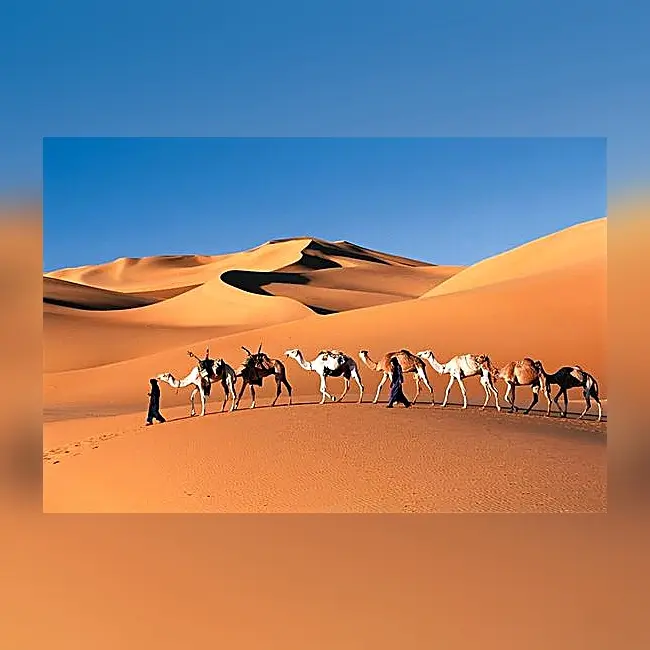
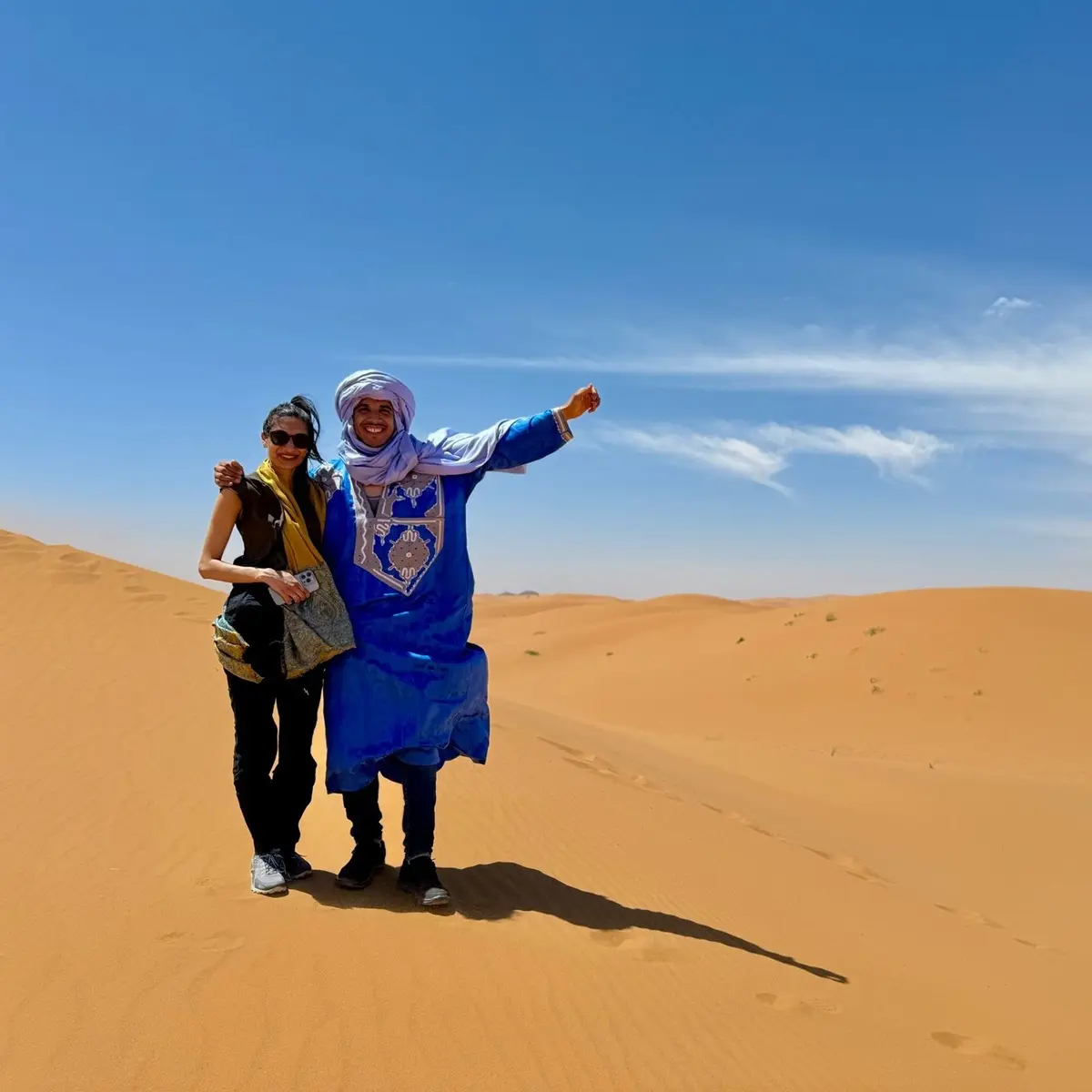
Another reason travelers remember Morocco so clearly is the mountain-and-desert contrast. The Rif Mountains shape the north, while the Atlas Mountains run across the country’s interior. Farther southeast, Morocco opens toward the Sahara, where dunes near Merzouga have become one of the most iconic images of the country. This dramatic contrast is one reason lists of interesting facts about Morocco are so popular: very few destinations combine sea, mountains, oasis, and desert so naturally.
A smart traveler’s tip is to use this diversity to build a better itinerary. Do not treat Morocco as one single atmosphere. If you love cooler weather and mountain views, add Chefchaouen, Ifrane, or the High Atlas. If you want golden light and wide-open landscapes, add the Sahara or the Draa Valley. The geography is not just a fact; it is one of the biggest advantages of traveling here.
3. History facts that give Morocco real depth
Among the most memorable fun facts about Morocco is that the country has one of the world’s oldest continuously operating higher-learning institutions. The University of al-Qarawiyyin in Fes was founded in 859, and Guinness World Records recognizes it as the oldest existing and continually operating educational institution of its kind. That one detail instantly changes the way many people see Morocco. It is not only a land of markets and desert camps; it is also a place with a deep intellectual legacy.
Another widely repeated historical fact is Morocco’s early relationship with the United States. U.S. government history resources state that Morocco formally recognized the United States in 1786 through the Treaty of Peace and Friendship, while other official U.S. materials also refer to Morocco as the first country to publicly recognize the young nation in 1777. Either way, the main point is clear: Morocco’s diplomatic ties with the U.S. go back to the earliest days of American independence.
Morocco also has remarkable heritage density for its size. UNESCO lists 9 World Heritage Sites in the country, and they range from ancient medinas and ksour to historic urban ensembles like Rabat. UNESCO has also recognized the Cultural Space of Jemaa el-Fna Square for its living traditions, storytelling, music, and performance culture, which shows that Morocco’s heritage is not only architectural but also deeply human and alive.
4. Language and daily life: the facts visitors feel immediately
One of the most important morocco culture facts is that Morocco is multilingual in everyday life. Arabic and Tamazight are official, but daily communication often happens in Moroccan Arabic, commonly called Darija. Depending on where you travel, you may also hear French, Spanish, and increasingly English. This is one reason first-time visitors often find Morocco so dynamic: language here reflects history, geography, education, and regional identity all at once.
Hospitality is another part of Moroccan identity that visitors notice almost immediately. You may arrive expecting monuments and landscapes, but what many people remember first is the human warmth: being welcomed into a riad, being offered tea, or being guided through a maze-like medina by someone who wants to help. This is one reason searches for morocco facts interesting often lead into broader questions about Moroccan culture. The facts become more meaningful when they connect to real interactions.
A practical tip here is simple: learn a few local words before you arrive. Even basic greetings in Darija or Arabic can change the tone of an interaction. It shows respect, opens doors, and helps you experience Morocco less as a spectator and more as a guest.
5. Food, cities, and visual identity
When people ask what is Morocco famous for, food is always part of the answer. Moroccan cuisine is known for dishes like tagine and couscous, but what matters even more is the setting in which food is shared. Meals are tied to rhythm, family, generosity, and place. In coastal towns, seafood feels central. In mountain or desert regions, cooking often reflects climate, local products, and older traditions. Food in Morocco is not only delicious; it is geographic and cultural at the same time.
Morocco’s cities also carry strong visual identities that make them unforgettable. Chefchaouen is globally known as the blue city, with blue-rinsed houses and lanes in the Rif Mountains, while Marrakech is famous for its warm red tones and historic medina. These places are not popular only because they look beautiful in photos. They also create strong mental shortcuts that make interesting facts about Morocco easy to remember and easy to share.
Ouarzazate adds another surprising layer. Morocco is not just famous for ancient history and souks; it is also a major cinema landscape. Official Moroccan tourism materials highlight the famous studios in Ouarzazate, where multiple international films were shot. That blend of old-world scenery and modern filmmaking is one more reason Morocco feels larger than a single stereotype.
6. Why these Morocco facts matter for travelers
The best fun facts about Morocco are useful because they help you travel better. If you understand that Morocco is multilingual, you will be more patient and observant in conversation. If you know the country stretches across very different landscapes, you will pack better and plan smarter. If you realize its medinas and public squares are living cultural spaces, you will slow down instead of rushing through them as if they were open-air museums.
This also matters for expectations. Some travelers arrive thinking Morocco will be only about the Sahara. Others imagine only Marrakech. In reality, Morocco’s strength is contrast. You can have Roman ruins at Volubilis, mountain air in Chefchaouen, spiritual and scholarly depth in Fes, cinematic desert scenery near Ouarzazate, and Atlantic energy in cities like Rabat or Essaouira. That is why one trip often turns into a second.
7. FAQ about Morocco
What are 5 interesting facts about Morocco?
Morocco has Atlantic and Mediterranean coastlines, two official languages, 9 UNESCO World Heritage Sites, one of the world’s oldest continuously operating higher-learning institutions in Fes, and a tourism industry that welcomed 17.4 million visitors in 2024.
What is Morocco most famous for?
Morocco is most famous for its medinas, imperial cities, Sahara landscapes, mountains, cuisine, craftsmanship, and rich blend of Amazigh, Arab, and Mediterranean influences.
What language do people speak in Morocco?
The official languages are Arabic and Tamazight. In daily life, many people also speak Darija, and French, Spanish, and English are heard in different contexts and regions.
Why is Chefchaouen so famous?
Chefchaouen is famous for its blue-painted medina, mountain setting, and relaxed atmosphere, which make it one of Morocco’s most recognizable destinations.
8. Final takeaway
The reason morocco facts interesting searches perform so well is simple: Morocco rewards curiosity. Every fact leads to something bigger, whether that is a conversation, a landscape, a meal, a work of craftsmanship, or a chapter of history. The country is famous not for one single thing, but for how many worlds it holds together at once. That is what makes Morocco so easy to admire, so enjoyable to write about, and so hard to forget.