
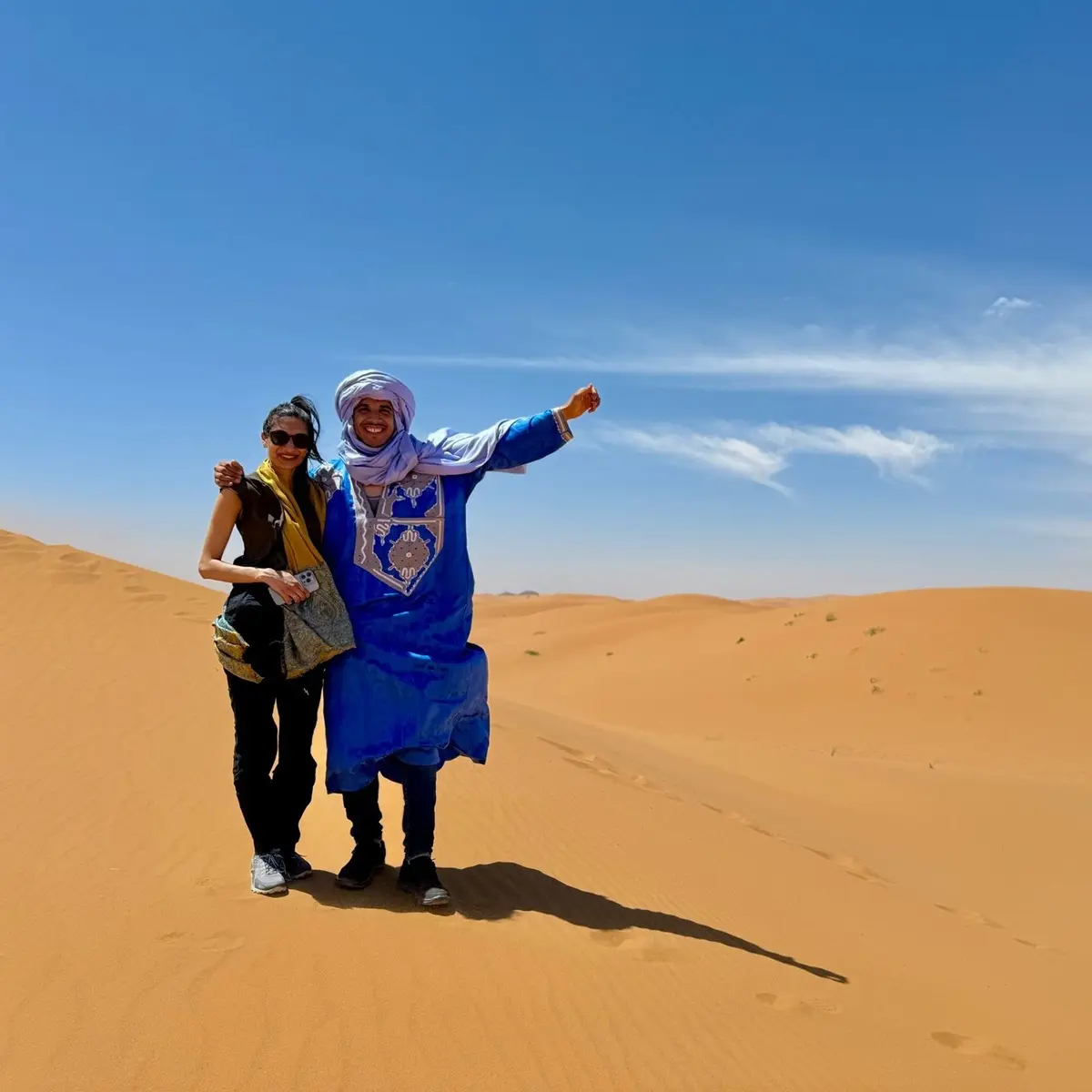
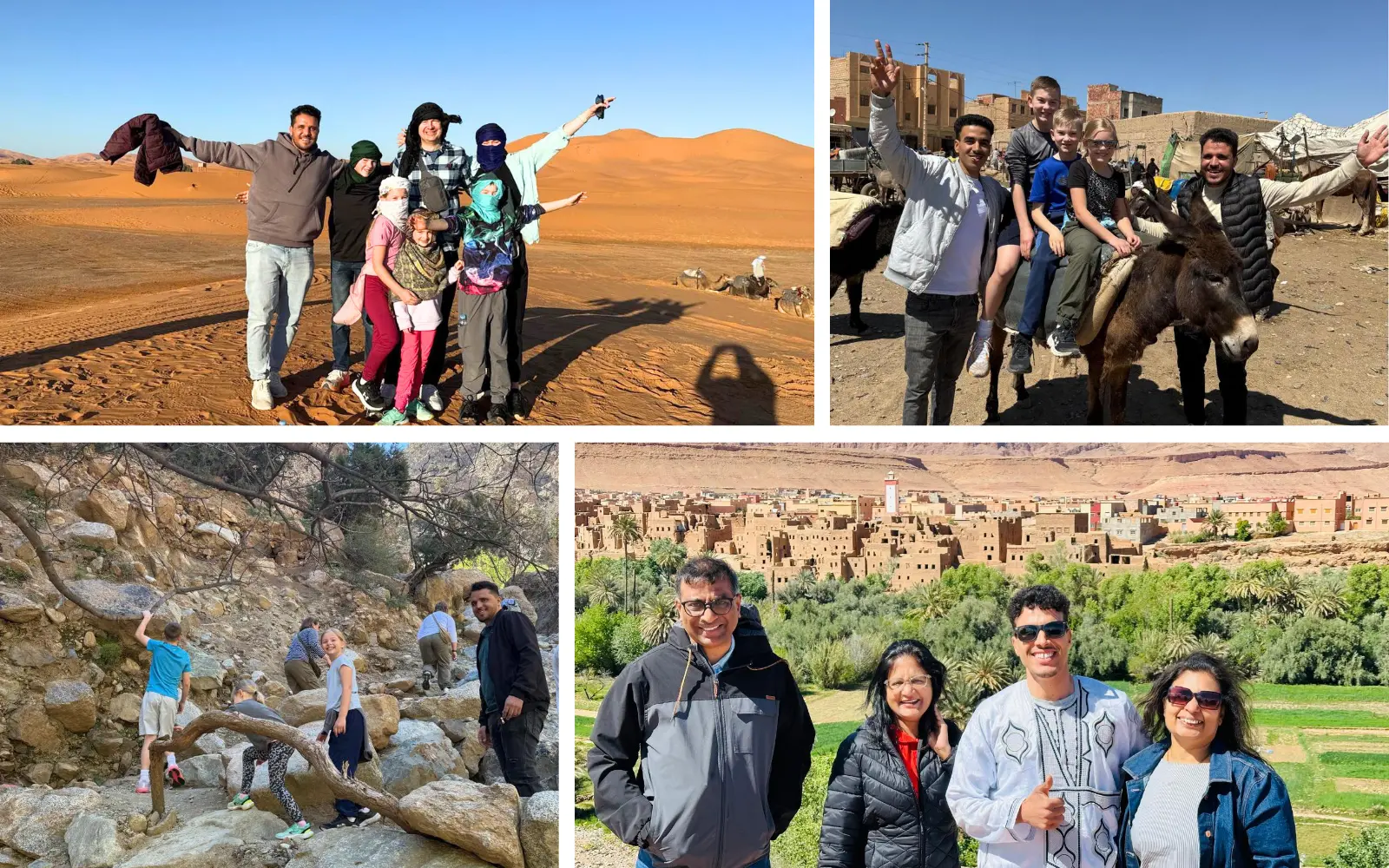
Planning Morocco Family Tours in 2026 makes a lot of sense. The country offers a rare mix of medinas, mountains, desert camps, beaches, and culture in one compact trip, and it is getting even easier to navigate thanks to tourism growth and major infrastructure investment linked to the 2030 FIFA World Cup. For travelers looking for family tours in Morocco, the big question is not whether Morocco is worth it, but how to structure the trip so it feels exciting rather than exhausting. This guide covers safety, the best 10-day route, regional highlights, and the practical details that make a Morocco family vacation run smoothly.
1. Executive Summary: Why Morocco is 2026’s Top Destination
Morocco Family Tours are booming in 2026 because Morocco combines strong tourism momentum with better transport, rising airport capacity, and growing global visibility ahead of the 2030 FIFA World Cup. Morocco, Spain, and Portugal have been appointed hosts for the 2030 tournament, while Morocco is expanding airport capacity to 80 million passengers by 2030 and continues to post strong visitor growth, including 4.3 million tourists in Q1 2026 alone. For families, that means better access, broader hotel supply, and easier multi-stop travel across cities, coast, and desert in one trip.
2. Is Morocco Safe?
As of April 2026, Morocco is open, active, and thriving for tourism. The most current U.S. travel advisory in force lists Morocco at Level 2, which means travelers should exercise increased caution, mainly because of terrorism risk. That is not a “do not travel” warning, and it does not mean tourism has stalled; in fact, Morocco welcomed 4.3 million visitors in the first quarter of 2026, up 7% year over year. For most travelers booking Morocco Family Tours, the practical takeaway is simple: Morocco is very viable right now, but you should use the same common-sense precautions you would use in any popular destination.
The reassuring context matters. Morocco’s Level 2 rating is not unusual or uniquely alarming. The U.S. State Department currently applies the same Level 2 label to France and Spain as well. So when people ask whether Morocco is “safe enough,” the official answer is that Morocco sits in a risk band shared with major Western European destinations many families visit every year.
Safety by region
- Marrakech: Busy, exciting, and generally manageable for visitors, but you need strong awareness in Jemaa el-Fnaa and the medina because tourist areas can attract petty crime, scams, and bogus guides.
- Fes: Rich and rewarding, but the old medina is maze-like. The smart move for first-timers is to use a licensed guide at least once, especially with children.
- Chefchaouen: Usually feels calmer and more relaxed than the bigger imperial cities, though steep alleys and late-night walking still require normal care.
- Sahara / Merzouga: Once you arrive, the atmosphere is usually peaceful. The bigger issue is choosing a reputable operator and handling the long overland journey safely.
For solo women, the UK’s FCDO specifically notes that women may receive unwanted attention in Morocco and advises loose-fitting clothes that cover the arms, legs, and chest. That does not make Morocco off-limits; it just means modest dressing usually makes travel easier. For families, the experience is often more comfortable because Moroccan hospitality is deeply embedded in the culture, and the official tourism board actively promotes Morocco as a family destination. In practice, Morocco with kids often feels more welcomed than many first-time visitors expect.
3. Mastering the 10-Day Morocco Itinerary
The classic loop for Morocco Family Tours is still the smartest first trip:
Casablanca → Rabat → Chefchaouen → Fes → Merzouga → Atlas Mountains → Marrakech.
It works because it builds gradually: urban culture first, then the blue mountain town, then the old-world depth of Fes, then the emotional high point of the Sahara, and finally the cinematic landscapes of the south before ending in Marrakech.
A practical 10-day version looks like this:
- Day 1: Casablanca arrival, then continue to Rabat for a lighter first night
- Day 2: Rabat to Chefchaouen
- Day 3: Chefchaouen at an easy pace
- Day 4: Drive to Fes
- Day 5: Full day in Fes
- Day 6: Fes through the Middle Atlas and Ziz Valley to Merzouga
- Day 7: Sahara experience in Merzouga
- Day 8: Merzouga to the Atlas / Ait Ben Haddou corridor
- Day 9: Cross the High Atlas to Marrakech
- Day 10: Marrakech sightseeing or extension to Essaouira
For more versions of 10 Days in Morocco Click here.
If you do not have 10 days, a 7-day version usually works best as Marrakech → Atlas → Merzouga → Fes, While a 5-day version is better focused on either Marrakech + Sahara or Fes + Sahara, not the whole country. Trying to squeeze Casablanca, Chefchaouen, Fes, Marrakech, and the desert into five days creates a rushed trip, especially for Morocco Family Tours with younger children. That is where good pacing matters more than ticking boxes.
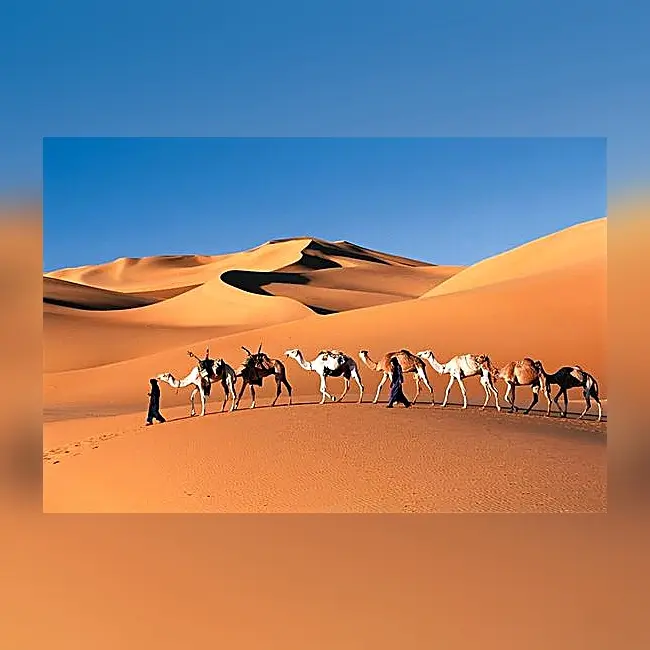
One expert distinction many first-time travelers miss: Merzouga’s Erg Chebbi is the classic “real dunes” Sahara image most people are picturing. Official tourism materials describe Merzouga as one of the gates of the Sahara and the territory of Erg Chebbi, with expansive dunes and desert camps. Zagora, by contrast, is more of a practical desert gateway for short itineraries from Marrakech; it gives you a taste of the south and a night under the stars, but not the same towering dune experience. If your schedule is tight, Zagora is valid. If you want the iconic desert memory, choose Merzouga.
4. Deep Dives: Regional Highlights & “Secret” Tips
Marrakech: Go beyond Jemaa el-Fnaa. Yes, the square is famous, but families usually enjoy balancing the medina with quieter stops like Jardin Majorelle and Le Jardin Secret. Majorelle is especially worth booking in advance because timed entry helps you avoid frustration.
Fes: This is the intellectual and artisanal heart of many private family tours Morocco itineraries. UNESCO describes the Medina of Fez as one of the most extensive and best-conserved historic towns in the Arab-Muslim world. Visit the Chouara Tanneries, but bring a scarf or mint if smells bother you, and plan pauses because the medina can overwhelm children if you keep moving nonstop.
Chefchaouen: The “Blue Pearl” is best enjoyed slowly. Photographers get the best shots early in the morning, before day-trippers fill the alleys. For sunset, walk up to the Spanish Mosque viewpoint for the classic panoramic photo over the blue town.
Essaouira: If Marrakech feels intense, Essaouira is the reset button. Official tourism pages highlight its Atlantic setting, beaches, and relaxed atmosphere. For a Morocco family vacation, it is often the best coastal alternative because it is breezy, walkable, and easier to enjoy at a slower pace.
5. Practical Logistics: Transport, Tech, & Tipping
The best Morocco Family Tours combine two transport styles. Use Al Boraq or the main ONCF train network for major city links, especially around Tangier, Rabat, Casablanca, Fes, and Marrakech. But for the High Atlas, desert road trips, and smaller stops, a private driver is much more practical than trying to piece together buses and taxis with luggage and kids.
For connectivity, get an eSIM or local SIM quickly. Orange Morocco officially offers both physical prepaid SIMs and instant eSIM activation, and Maroc Telecom also supports eSIM services. In real trip planning, mobile data matters more in Morocco than many people expect because medinas are confusing, road breaks are long, and maps plus messaging help constantly.
Money-wise, remember that the Moroccan dirham is non-convertible, so do not expect to buy much of it before arrival or take large amounts back out easily. In the souks, bargaining works best when it stays polite and light. Start lower, smile, and be ready to walk away without drama. For tipping, rounding up small services is normal, and around 10% in restaurants is a reasonable rule when service is not already included.
6. Cultural Etiquette & Local Wisdom
The most memorable Morocco Family Tours are not just scenic; they are respectful. Use your right hand for giving, receiving, and eating when possible. Learn a few easy phrases like Salam (hello) and Shokran (thank you). Dress modestly in traditional areas, ask before photographing locals, and be especially careful around religious sites and government or military areas, where photography can be restricted.
Water is the other big practical point. The safest advice for short-term visitors is to use bottled or properly filtered water, and not to put tap water in your mouth unless you are confident it is safe. That includes brushing your teeth if you are sensitive. The goal is not fear; it is simply avoiding stomach problems that can derail otherwise excellent Morocco Family Tours.
7. FAQ Section
Is 10 days enough for Morocco?
Yes. Ten days is enough for a strong first-trip loop covering cities, the Sahara, and the mountains without making the journey feel frantic. It is one of the best lengths for Morocco Family Tours because it gives you both variety and recovery time.
Can I brush my teeth with tap water?
The safer choice for most visitors is no. Use bottled or filtered water, especially if you have a sensitive stomach.
What should women wear in Morocco?
Loose, breathable clothing that covers the shoulders, chest, and knees usually works best. It is comfortable, respectful, and reduces unwanted attention.
How do I avoid common scams?
Use licensed guides only, watch your belongings in medinas, keep your card in sight when paying, avoid unlicensed taxis, and be cautious if strangers become overly helpful too quickly.