
What to Buy in Morocco
- Morocco Line Tours
- January 10, 2026
- Travel Tips
As you explore Morocco’s lively markets, you’re hit with a burst of colors, textures, and smells. You’re on a mission to find the best Moroccan souvenirs. These should show off the beauty of this magical country.
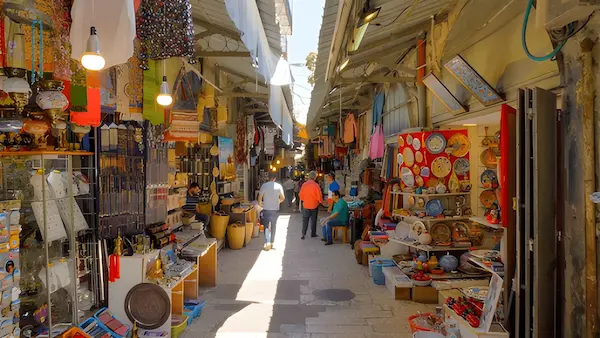
There’s so much to choose from, like beautiful rugs, fragrant spices, and stunning jewelry. It’s more than just shopping. It’s about diving into the local culture and sharing that with your family and friends.
- Discover unique Moroccan souvenirs that reflect the country’s rich cultural heritage.
- Learn how to choose authentic, high-quality items that make perfect gifts or personal mementos.
- Explore the significance of bringing home a piece of Morocco and how it can enrich your travel experience.
1. The Allure of Moroccan Handicrafts and Souvenirs
Morocco is famous for its vibrant handicrafts. These items are not just souvenirs but also tell stories of the country’s history and culture. As you wander through the souks and markets, you’ll find a wide range of traditional Moroccan gifts. These include beautiful pottery and hand-woven textiles.
Moroccan handicrafts are more than just decorations. They show the country’s rich cultural heritage. The skill and artistry of Moroccan artisans are evident in every piece.
The Cultural Significance of Moroccan Craftsmanship
Moroccan craftsmanship is special because it blends tradition with modern elements. This mix makes Moroccan handicrafts stand out and attract visitors.
| Craft | Description | Significance |
|---|---|---|
| Pottery | Intricately designed ceramic pieces | Reflects traditional Berber designs |
| Textiles | Hand-woven rugs and blankets | Symbolizes warmth and hospitality |
| Metalwork | Intricately crafted lanterns and jewelry | Showcases Moroccan artistry |
Why Moroccan Souvenirs Make Meaningful Keepsakes
Moroccan souvenirs are more than just mementos. They carry the essence of Morocco’s culture and history. By taking a Moroccan handicraft home, you get a beautiful item and a story that connects you to the place and its people.
2. What to Buy in Morocco: A Guide
Exploring Morocco’s markets reveals a treasure trove of authentic goods. These items showcase the country’s rich culture. You’ll find everything from traditional crafts to local treats.
Understanding Authentic Moroccan Products
Shopping in Morocco means looking for genuine items. True Moroccan handicrafts are made with skill and old techniques. These crafts have been passed down for generations.
How to Identify Genuine Handcrafted Items
Search for products labeled “Made in Morocco.” Be cautious of items that seem too perfect. Real handcrafted goods often have small flaws that prove their authenticity.
“The beauty of Moroccan handicrafts lies in their imperfections.”
Avoiding Tourist Traps and Imitations
Watch out for vendors who push you to buy. Always compare prices before you decide. Knowing common prices can prevent you from overpaying.
Budget Considerations for Souvenir Shopping
Set a budget before you start shopping. Morocco has products for all budgets, from cheap trinkets to expensive luxury items.
Plan your spending based on what you really want. Prioritizing your purchases makes your shopping trip better.
Remember, haggling is common in Moroccan markets. It’s a fun way to negotiate prices.
3.Traditional Moroccan Textiles and Carpets
Exploring Moroccan souvenirs, you’ll find textiles and carpets are key. These items are not just pretty. They also share Morocco’s deep cultural history.
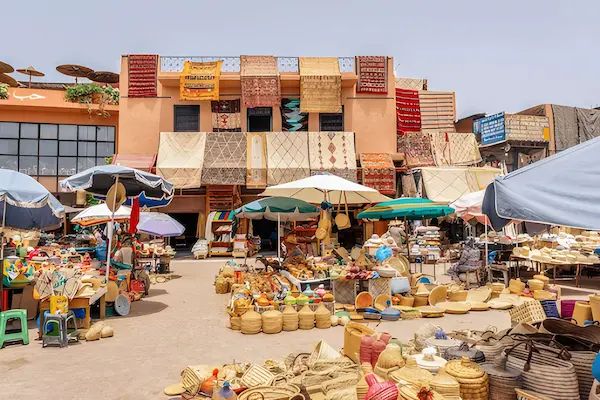
Berber Rugs and Carpets
Berber rugs are a big deal in Moroccan crafts. They’re made by hand and last a long time. Their designs tell stories of Berber culture, often with geometric patterns and symbols.
Regional Variations and Patterns
Every region in Morocco has its own style in Berber rugs. For example, the Atlas Mountains are known for bold patterns. The Beni Ourain region is famous for simple designs.
Price Ranges and Quality Indicators
Every region in Morocco has its own style in Berber rugs. For example, the Atlas Mountains are known for bold patterns. The Beni Ourain region is famous for simple designs.
Colorful Moroccan Blankets and Throws
Moroccan blankets and throws are also very popular. They mix wool and cotton for warmth and color. They’re great for staying cozy or as a stylish addition to your decor.
Embroidered Fabrics and Table Linens
Embroidered fabrics show the skill of Moroccan artisans. They make beautiful table linens, clothes, and more. These items are both useful and add elegance to any space.
When looking for Moroccan textiles, choose authentic, handmade items. They reflect Morocco’s rich culture. Whether it’s a Berber rug, a colorful blanket, or an embroidered tablecloth, they’ll bring Morocco to your home.
4. Moroccan Leather Goods: From Poufs to Bags
Moroccan leather goods are a treasure for shoppers. From the famous tanneries of Fes to Marrakech’s lively markets, you’ll find everything. You can find luxurious poufs, stylish bags, and more.
The Famous Leather Tanneries of Fes
Fes is known for its ancient leather tanneries. These places have been making leather for centuries. You can see how they tan leather, making it a unique and educational trip.
Leather Poufs, Bags, and Accessories
Moroccan leather goods include many items like poufs, bags, belts, and wallets. These items are not just useful but also beautiful. The skill and detail in each piece make them stand out.
Caring for Moroccan Leather Products
It’s important to take care of your Moroccan leather goods. Regular cleaning and conditioning will keep them looking great. This care will also make them last longer.
Best Places to Purchase Quality Leather
When looking for Moroccan leather goods, buy from trusted places. Marrakech’s souks and Fes’s tanneries are great for authentic products. Always check the quality and material to get a real deal.
“The quality of Moroccan leather is unmatched, and with proper care, these products can last for years.”
5. Stunning Moroccan Ceramics and Pottery
Moroccan ceramics are known for their vibrant colors and detailed patterns. They show the skill of Moroccan artisans. You can find both functional and decorative pieces.
Colorful Plates and Serving Dishes
Moroccan ceramics offer colorful plates and serving dishes. They add Moroccan flair to your dining table. These items are both beautiful and practical, great for daily use or as gifts.
Decorative Tiles and Mosaic Work
Decorative tiles and mosaic work stand out in Moroccan ceramics. They can make stunning backsplashes, tabletops, or wall art. The detailed mosaic work shows the patience and skill of Moroccan artisans.
Safely Transporting Fragile Ceramics Home
When buying ceramics, think about how to pack them safely. Here are some tips:
- Wrap each piece in bubble wrap or paper.
- Choose a sturdy box for shipping fragile items.
- Fill empty spaces in the box with packing materials.
| Type of Ceramic | Description | Price Range |
|---|---|---|
| Colorful Plates | Hand-painted plates with vibrant designs | $20-$50 |
| Decorative Tiles | Intricately designed tiles for backsplashes or wall art | $10-$30 per tile |
| Serving Dishes | Functional serving dishes with Moroccan patterns | $30-$70 |
6. Aromatic Treasures: Moroccan Spices and Oils
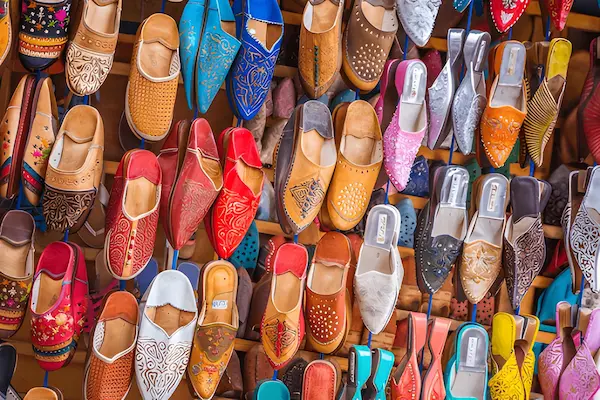
Exploring Morocco’s vibrant markets reveals a world of aromatic treasures. Moroccan spices and oils are key to the local cuisine. They also make great souvenirs, letting you bring Morocco home.
Essential Moroccan Spice Blends
Moroccan cuisine is famous for its complex spice blends. Ras el Hanout is one of the most beloved. It’s a mix of the finest spices, creating a unique flavor.
Ras el Hanout and Other Traditional Mixes
Ras el Hanout varies by vendor, each with their own secret recipe. Chermoula is used for marinating fish and meat. Moroccan Curry Powder adds a warm, aromatic flavor to dishes.
Customs Considerations for Bringing Spices Home
When taking Moroccan spices home, check customs rules. Some countries restrict certain spices or require them to be sealed and declared.
| Spice Blend | Main Ingredients | Typical Use |
|---|---|---|
| Ras el Hanout | Cumin, Coriander, Cinnamon, Turmeric | Meat and Vegetable Dishes |
| Chermoula | Parsley, Cilantro, Garlic, Lemon Juice | Marinades for Fish and Meat |
Argan Oil and Its Many Uses
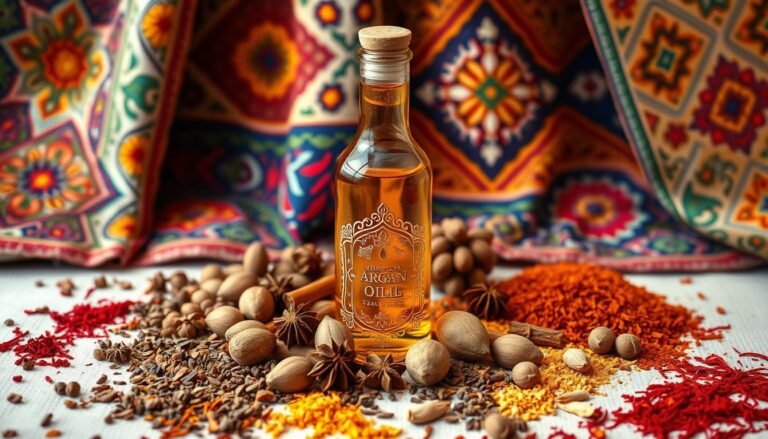
Argan oil, known as “liquid gold,” is a prized Moroccan product. It’s used in cooking, skincare, and haircare. It’s rich in antioxidants.
Rose Water and Orange Blossom Water
Rose water and orange blossom water are fragrant floral waters. They’re used in Moroccan cuisine and perfumery. They add a delicate flavor to desserts and drinks, and have therapeutic properties.
7. Moroccan Lamps, Lanterns, and Home Decor
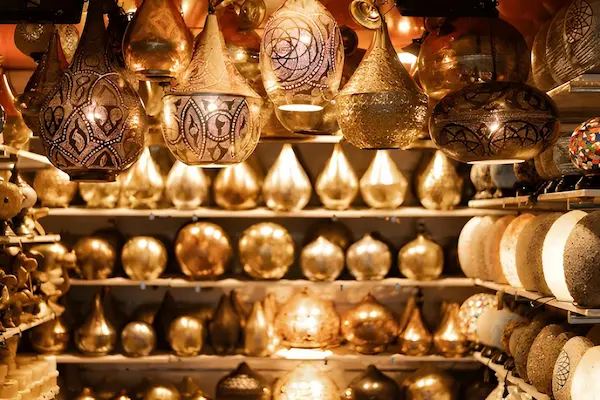
Exploring Morocco’s vibrant markets reveals stunning lamps and lanterns. These pieces can make your home warm and welcoming. They are not just useful; they also showcase Morocco’s rich culture.
Intricate Metal Lanterns
Silver Berber jewelry stands out in Moroccan craftsmanship. It boasts complex designs and symbolic motifs. This jewelry is not just beautiful but also carries deep cultural meaning.
The Berber tribes have a long history of silverwork. Their pieces often feature geometric patterns and natural motifs. When buying silver Berber jewelry, look for the artisan’s hallmark or signature.
Styles and Designs to Look For
When searching for Moroccan lanterns, find designs that match your taste. Lanterns are available in metals like brass, copper, and silver.
Electrical Conversion Tips for Lamps
If you want to use your Moroccan lamp for light, consider electrical conversion. Make sure a pro does the conversion to keep the lamp safe and intact.
Decorative Items for Your Home
Morocco has many decorative items to beautify your home. You can find colorful tiles and wooden furniture with detailed carvings. These items bring Moroccan elegance to any room.
Looking to create a cozy reading spot or add exotic charm to your living area? Moroccan home decor items will surely impress.
8. Jewelry and Metalwork from Morocco
Exploring Moroccan markets reveals a wealth of stunning jewelry and metalwork. Moroccan artisans are renowned for their skill in creating beautiful pieces. These reflect the country’s rich cultural heritage.
Silver Berber Jewelry
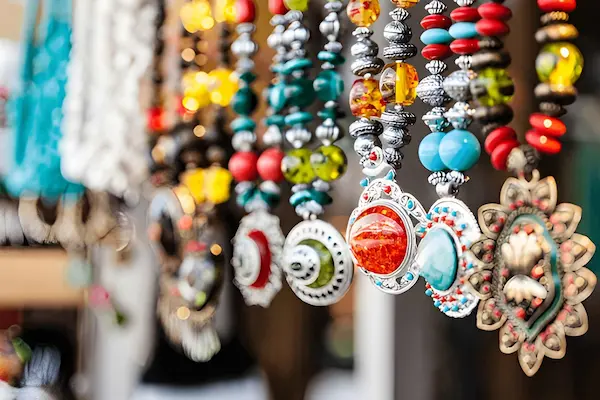
Silver Berber jewelry stands out in Moroccan craftsmanship. It boasts complex designs and symbolic motifs. This jewelry is not just beautiful but also carries deep cultural meaning.
The Berber tribes have a long history of silverwork. Their pieces often feature geometric patterns and natural motifs. When buying silver Berber jewelry, look for the artisan’s hallmark or signature.
Brass and Copper Decorative Items
Brass and copper decorative items showcase Moroccan metalwork. They range from ornate lanterns to intricately designed trays. These items bring Moroccan elegance to any home.
The use of brass and copper in Morocco dates back centuries. Artisans use traditional techniques to create these stunning pieces. When shopping, consider the craftsmanship and the patina, which indicates age and quality.
Authenticating Silver and Metal Quality
To ensure you’re buying high-quality, authentic silver and metal items, follow these tips. Look for stamps or signatures from the artisan, which confirm authenticity. Also, examine the craftsmanship – look for detailed work and smooth finishes.
For silver items, check for a hallmark or a stamp showing the silver content. In brass and copper, a rich patina can mean age and quality.
9. Unique Moroccan Products Worth Seeking Out
Exploring Morocco’s vibrant markets reveals a wealth of unique products. These items showcase the country’s rich cultural heritage. Morocco is famous for its artisanal craftsmanship, with many products standing out for their uniqueness and cultural importance.
Handcrafted Musical Instruments
Morocco is known for its handcrafted musical instruments. You can find the oud, a stringed instrument, and the bendir, a frame drum. These instruments are not just beautiful but also carry the essence of Moroccan music and culture.
In local markets, you can hear these instruments being played. Musicians add to the lively atmosphere, making the experience even more special.
Traditional Moroccan Clothing and Babouche Slippers
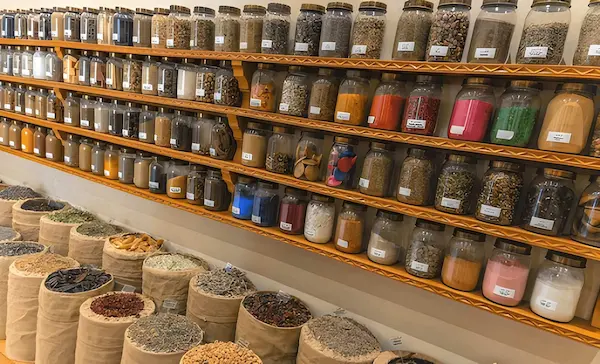
Traditional Moroccan clothing, like intricately embroidered kaftans and djellabas, make great souvenirs. Babouche slippers, made with care, are both comfortable and stylish. These items are perfect for those wanting to bring a piece of Moroccan culture home.
Moroccan Beauty Products and Hammam Accessories
Moroccan beauty products, such as argan oil and rose water, are highly valued. Hammam accessories, like exfoliating gloves and black soap, are also popular. These products offer a glimpse into Morocco’s beauty traditions and make great gifts or personal treats.
| Product | Description | Price Range |
|---|---|---|
| Handcrafted Oud | A traditional Moroccan stringed instrument | $100-$300 |
| Embroidered Kaftan | Intricately embroidered traditional Moroccan garment | $50-$150 |
| Argan Oil | High-quality oil used for skin and hair care | $10-$30 |
10. Where to Shop in Morocco: City by City Guide
Shopping in Morocco is a journey through different cultures and traditions, city by city. Each city offers a unique shopping experience, from bustling souks to modern markets.
Shopping in Marrakech's Souks
Marrakech is a shopper’s paradise, with its vibrant souks. You can find colorful textiles and intricately made jewelry. Don’t miss the famous Jemaa el-Fnaa square for local handicrafts and souvenirs.
Finding Treasures in Fes Medina
Fes is known for its well-preserved medieval old city, a UNESCO World Heritage site. The medina’s narrow streets and alleys are perfect for discovering hidden treasures. Look for traditional crafts like pottery and woodworking.
Casablanca's Modern Markets
Casablanca offers a more modern shopping experience. You’ll find upscale boutiques and malls. There’s a mix of traditional and contemporary goods, from designer clothing to local handicrafts.
Shopping in Coastal Agadir
Agadir is a coastal city with a relaxed atmosphere. Its markets offer a range of goods, including fresh produce and local crafts. Don’t miss the Souk al Had, a large market with various products.
| City | Best Places to Shop | Unique Finds |
|---|---|---|
| Marrakech | Jemaa el-Fnaa, Souk Semmarine | Colorful textiles, intricately made jewelry |
| Fes | Fes Medina, Souk Attarine | Traditional crafts, pottery, woodworking |
| Casablanca | Maarif District, Casablanca Mall | Designer clothing, local handicrafts |
| Agadir | Souk al Had, Marina Market | Fresh produce, local crafts, souvenirs |
11. Haggling Tips: How to Get the Best Deals
Haggling is key in Morocco’s shopping scene. With these tips, you’ll soon be a pro. In the lively souks and markets, good negotiation skills can greatly enhance your shopping.
The Art of Negotiation in Moroccan Markets
Negotiating in Moroccan markets is more than just finding a good price. It’s about understanding the culture, being respectful, and showing interest in the product. To excel, you must be well-prepared.
Phrases to Know When Bargaining
Knowing Arabic phrases can help a lot in Morocco. Start with “As-salamu alaykum” (peace be upon you) to be friendly. Say “Shukran” (thank you) to show gratitude. Use “Safi?” (enough?) when you’re ready to agree on a price.
When to Walk Away and When to Close the Deal
Knowing when to walk away is critical. If the price isn’t right, leave. Vendors often offer better deals if you do. When you think you’ve found a fair price, be ready to finalize with a smile and a handshake.
Common Pricing Mistakes to Avoid
Don’t start with a price you’re not ready to pay. Begin with a lower offer to have room to negotiate. Also, the initial price is often higher than the real one.
| Common Mistakes | Smart Haggling Tips |
|---|---|
| Naming a price you’re not comfortable with | Start with a lower offer to have negotiation room |
| Accepting the initial price | Be prepared to negotiate; the first price is often too high |
| Not being willing to walk away | Be ready to leave if the price isn’t right; vendors may call you back |
Mastering these haggling tips and understanding Moroccan market negotiation will make your shopping better. You’ll get great deals on unique souvenirs.
12. Conclusion: Treasuring Your Moroccan Memories
As you finish your trip to Morocco, the memories of colorful souks, detailed handicrafts, and friendly people will stay with you. The souvenirs you pick up are more than just keepsakes; they’re a way to keep Moroccan memories alive. Whether it’s a stunning Berber rug, a fine piece of silver jewelry, or a fragrant mix of spices, each item tells a story.
When you unpack your treasures at home, you’ll remember Morocco’s rich culture and skillful craftsmanship. Showing off your Moroccan souvenirs proudly will not only beautify your home but also keep your Moroccan adventure alive.
Keeping your Moroccan memories means holding onto the experiences, the people you met, and the sights and smells you enjoyed. Your Moroccan souvenirs are a physical link to those memories, letting you relive your journey whenever you want.
12. FAQ about what to buy in Morocco
What are the best souvenirs to buy in Morocco?
Morocco is famous for its colorful handicrafts. You can find traditional textiles, ceramics, metalwork, and leather goods. Popular items include Berber rugs, handmade jewelry, argan oil, and traditional clothing.
How do I identify authentic Moroccan handicrafts?
Look for handmade signs like irregularities in weaving or slight color variations. Check for certifications or labels that say “Made in Morocco.” Be cautious of very low prices, as they might mean it’s not authentic.
What are some tips for haggling in Moroccan markets?
Be respectful and friendly when haggling. Start with a lower price than you want to pay. Know the item’s market value and don’t hesitate to walk away if the price is too high. Knowing phrases like “Shukraan” (thank you) and “Kif halak?” (how much is this?) can help.
Can I bring Moroccan spices and oils back home?
Yes, you can bring spices and oils home, but check customs rules first. Some airlines have rules about liquids or perishables. Moroccan spices like argan oil and ras el hanout are great souvenirs.
Where are the best places to shop in Morocco?
What are some unique Moroccan products worth seeking out?
How do I care for my Moroccan leather goods?
Can I get my Moroccan lanterns electrified?
Categories
- Destinations
- Travel Tips
- Itineraries & Guides
- Food & Culture
Have Any Question?
Feel free to contact us via email, phone, or WhatsApp chat.
More Posts
Moroccan Coffee (Nous Nous): The Famous Half-and-Half
Discover the famous Moroccan coffee, a unique blend of coffee and milk, for
Discover the Wonders of Marrakech Museum
Did you know a Moroccan palace can hold over a thousand years of
Explore Legzira Beach in Morocco
Discover the stunning Legzira Beach in Morocco – a must-visit destination with towering

Things to Do in Sidi Ifni, Morocco
Explore the best things to do in Sidi Ifni, from beaches and views

Things to Do in Imlil, Morocco
Discover the top things to do in Imlil, Morocco, from hiking the Atlas
What to Do in Dakhla, Morocco
Discover the top things to do in Dakhla, Morocco—your ultimate guide to this

Things to Do in Al Hoceima, Morocco
Plan your perfect trip to Al Hoceima, Morocco. Our how-to guide reveals the