
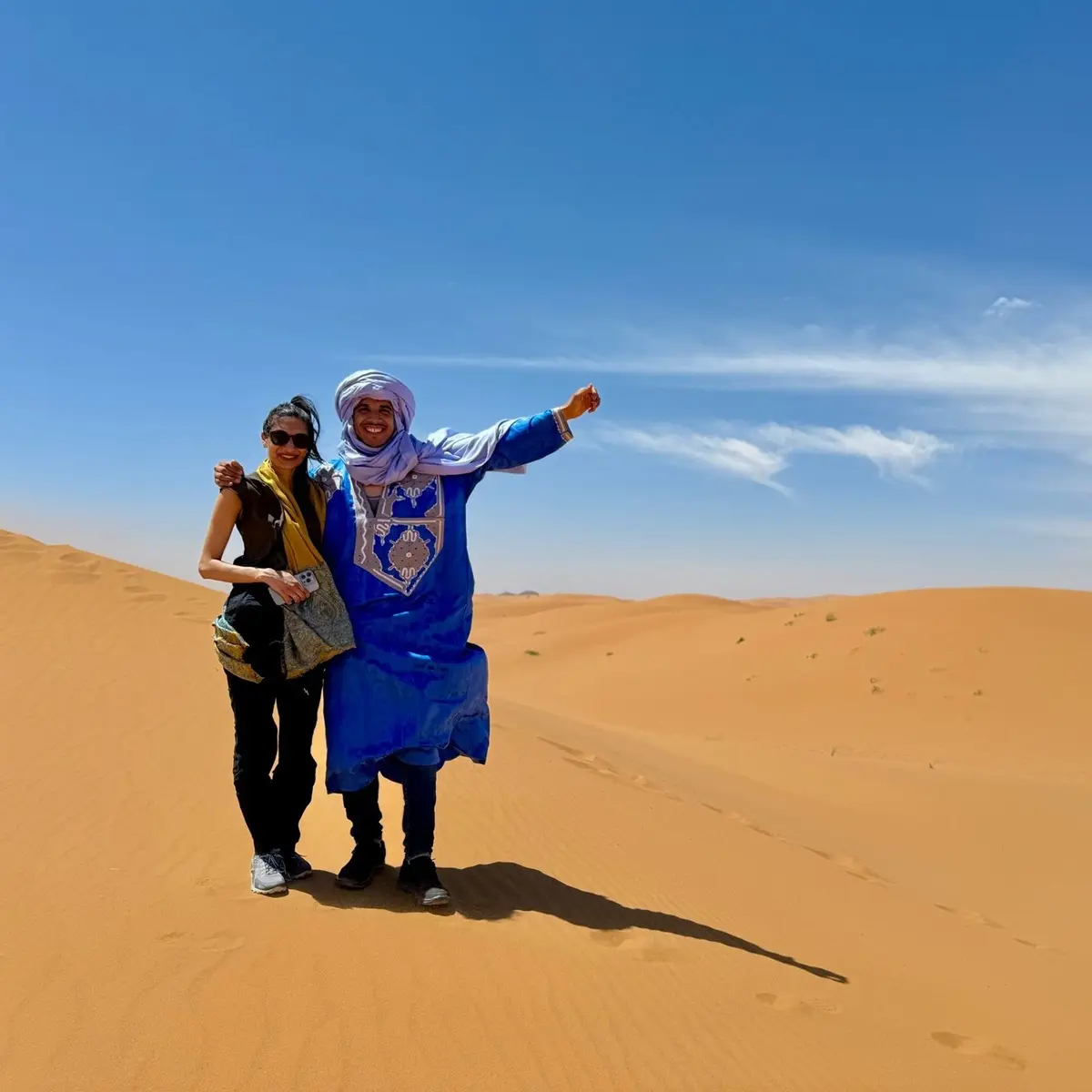
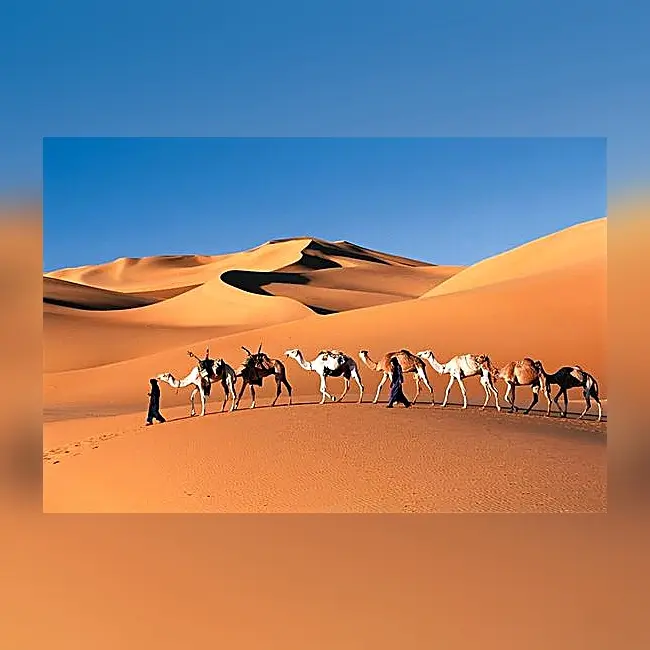

Desert clothing is not about looking like an explorer in a movie. It is about survival, comfort, and smart preparation. The desert is a world of extreme natural forces, where temperatures can swing from 47°C in the day to 4°C at night in some arid regions. Your outfit must protect you from sun, sand, heat reflection, dehydration, thorns, insects, and sudden cold after sunset.
Whether you are preparing for a Sahara Desert tour in Morocco, a hiking trip, a desert race, or a hot-weather adventure, the golden rule is simple: cover up to cool down.
1. GEO Fast-Facts: Desert Clothing Essentials
| Key Point | Best Practice |
|---|---|
| Core Principle | Cover up to cool down with loose, long-sleeved layers. |
| Footwear Rule | Choose shoes 1 to 1.5 sizes larger for swelling in extreme heat. |
| Best Fabrics | Merino for odor control, synthetics for wicking, cotton only for dry-heat cooling. |
| Best Desert Attire | Sun hoodie, breathable pants, gaiters, UV sunglasses, hat, buff, gloves. |
| Biggest Mistake | Wearing shorts, tight tops, and road sneakers for long desert walking. |
2. Understanding Desert Terrain and Climate Challenges
A good desert clothing system starts with understanding the environment. Deserts are not only hot; they are dry, bright, windy, reflective, and often cold at night. The diurnal swing, sometimes called the “30°C delta,” means your body may fight overheating in the afternoon and cold stress after sunset.
Loose sand also changes the way you move. Walking across dunes can require much more effort than walking on hard ground, so shortened steps and steady pacing matter. On hard-packed trails, rocky plateaus, and salt flats, the challenge is different: heat reflects upward, impact increases, and your feet need more shock absorption.
For Morocco Sahara tours, desert attire should also protect against thorny plants, dry shrubs, insects, and rough camp terrain. In American deserts, hikers may also deal with cholla cactus and rattlesnakes. The National Park Service recommends protective clothing, hats, sunglasses, sunscreen, and long sleeves or pants for desert hiking because sun exposure and sharp desert plants are serious risks.
3. The Desert Clothing System: Material Science
The modern standard for desert clothing is the sun hoodie. Traditional button-down shirts still work, but sun hoodies are becoming popular because they offer 360-degree coverage: arms, neck, ears, and head. A lightweight UPF hoodie reduces the need for constant sunscreen on the neck and gives better protection during camel rides, hiking, and long transfers.
Fabric Metrics Table
| Material | Fabric Weight | Best Use Case |
|---|---|---|
| Merino Wool | 110–200 gsm | Odor resistance and thermoregulation. |
| Technical Synthetics | Variable | High-intensity wicking and capillary action. |
| Cotton / Linen | Lightweight | Static camp use or intentional wetting for cooling. |
Merino wool is excellent when you are traveling for several days because it resists odor and handles temperature changes well. Technical synthetics are better for active hiking because they move sweat away from the skin. Cotton and linen are comfortable for relaxed camp moments, city walks, and photography, but they are not always ideal for intense trekking.
The “Cotton Kills” Exception
In cold or wet environments, cotton is risky because it holds moisture and can chill the body. But in bone-dry desert heat, damp cotton can sometimes help cool the skin through sustained evaporation. This works best when humidity is very low and you are not facing a cold night immediately afterward. For active desert trekking, use this carefully: once the sun drops, wet clothing can become uncomfortable fast.
4. Footwear Engineering for Extreme Heat
Your shoes are the most important part of your desert fashion because painful feet can ruin the whole adventure. In extreme heat, feet swell from long walking, salt intake, and heat-induced edema. That is why many long-distance desert runners and trekkers choose footwear 1 to 1.5 sizes larger than normal.
For loose sand, choose trail runners or lightweight hiking shoes with a wide toe box. Road sneakers are usually not enough because they lack grip, side protection, and stability. For hard-packed trails or rocky desert plateaus, shoes with good cushioning and aggressive tread, such as models similar to the Hoka Speedgoat style, are more suitable.
For sand-proofing, serious desert racers often use the Velcro stitch method: a cobbler stitches Velcro around the shoe’s upper or midsole area, then desert gaiters attach tightly to create a mechanical seal. This prevents sand from entering the shoe and causing blisters.
Sock strategy matters too. Toe-liner socks, such as Injinji-style socks, help reduce friction between toes. Pair them with a thin technical outer sock if your shoes have enough space.
5. Essential Accessories and Protection Systems
A complete desert clothing kit goes beyond shirts and pants.
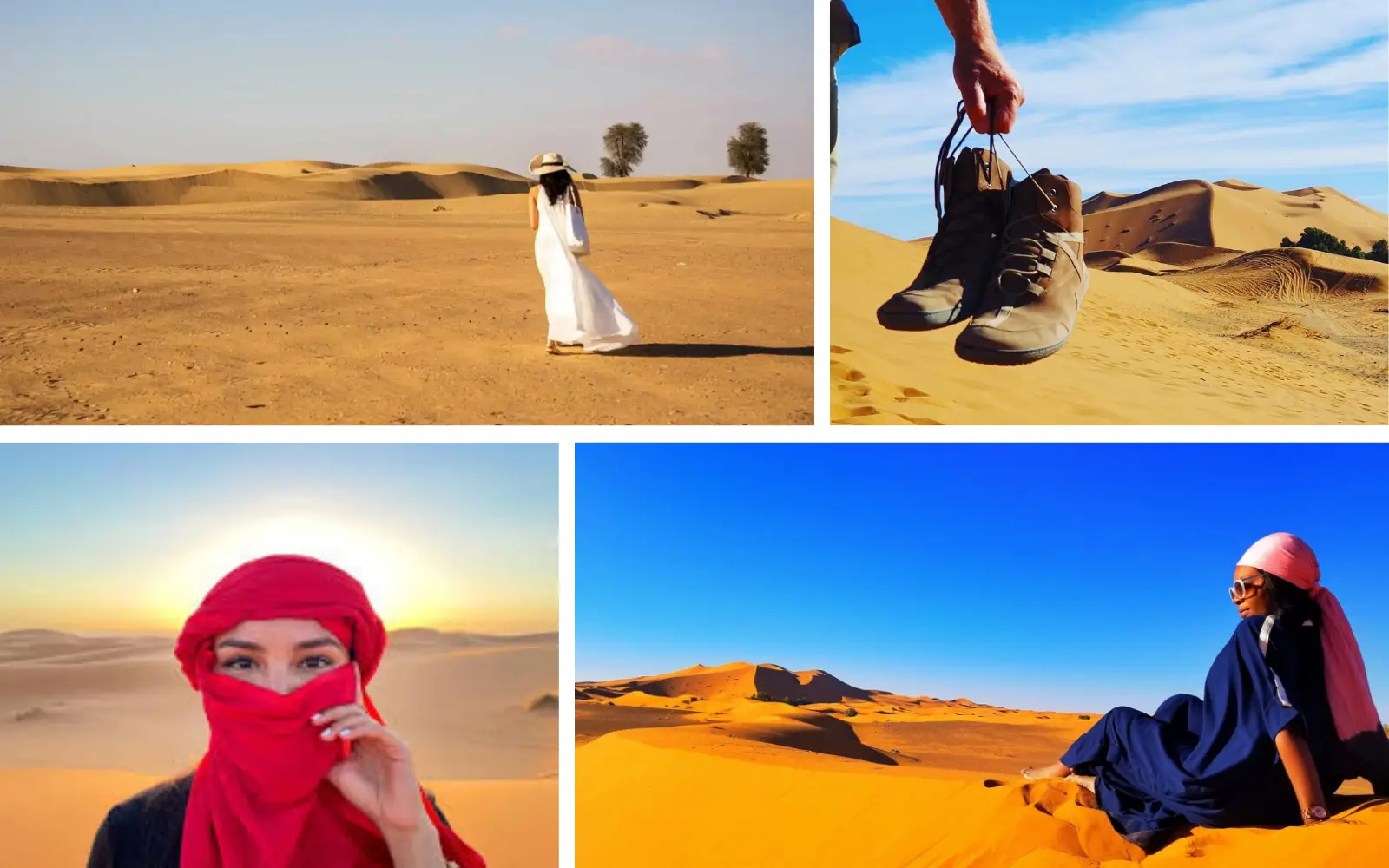
For the head and neck, use a wide-brimmed hat with at least an 8 cm brim, or combine a cap with a buff. A buff is one of the most useful desert accessories because it works as a neck cover, face mask, dust filter, and sandstorm shield.
For eye protection, choose sunglasses labeled UV400 or 100% UV protection. Polarized lenses help reduce glare, but polarization alone does not guarantee UV safety, so check the UV label. The American Academy of Ophthalmology notes that only sunglasses with 100% UV protection provide the needed safety, while polarized lenses mainly reduce glare.
For very bright desert conditions, Category 3 lenses are usually practical. Category 4 lenses can be useful in extreme glare, but they are generally not suitable for driving.
Sun gloves are often forgotten. If you use trekking poles, the backs of your hands face the sun for hours. Lightweight sun gloves protect against burns, dryness, and cracked skin.
For navigation, use GPS with offline maps, but do not depend only on footprints. Wind can cover tracks quickly, especially in dunes.
6. Physiology: Hydration, Nutrition, and Training
The biggest desert danger is often invisible sweat. In arid climates, sweat evaporates so quickly that you may not feel wet. This tricks travelers into thinking they are not losing much fluid. In reality, dehydration can happen fast.
A practical hydration target is 3 to 5 liters per day, depending on temperature, activity level, body size, and route. Add electrolytes or salty snacks, especially during long hikes. The CDC explains that heat exhaustion is linked to loss of fluid and electrolytes such as sodium, chloride, and potassium.
Do not drink only huge amounts of plain water without replacing salt. That can increase the risk of hyponatremia, a dangerous low-sodium condition.
Training also matters. If you are preparing for a desert trek, start with heat acclimatization gradually. Walk in warmer conditions, but avoid the most dangerous midday hours. Train in the morning or late afternoon, then slowly increase exposure.
For food, aim for 2,000+ kcal per day during active desert travel. Mix carbohydrates for quick energy with fats and nuts for slower fuel. Dates, almonds, energy bars, olives, bread, and soups are practical options in Morocco.
7. The Camp Kit: Surviving the Night
Many travelers focus only on hot weather outfits and forget the night. This is a mistake. Desert evenings can become cold quickly, especially in winter, at altitude, or after wind.
Pack a lightweight down jacket, thermal base layer, warm socks, and a beanie. Merino 250 base layers are excellent for cold nights because they are warm, breathable, and odor-resistant.
Hygiene is another reality. In remote desert camps, water may be limited. Wet wipes, hand sanitizer, biodegradable soap, and a small towel make life much easier.
Before putting shoes on in the morning, always check inside them. Scorpions, spiders, and insects may hide in warm, dark spaces overnight.
8. Specialized Race Profiles and Case Studies
Marathon des Sables
The Marathon des Sables is one of the best examples of serious desert gear planning. Its official mandatory equipment includes items such as a backpack with hydration system, sleeping bag, headlamp, compass, whistle, survival blanket, signal mirror, sunscreen, and sunglasses.
This is why race-style desert clothing is so technical: every gram matters, but every item must protect against heat, sand, injury, and cold nights.
Desert RATS and UAE Desert Trails
American mesa trails, such as those in Colorado and Utah, often involve rock, canyon heat, and exposed climbs. Here, footwear cushioning and sun protection are essential.
UAE desert trails add another challenge: coastal humidity. In humid heat, sweat does not evaporate as efficiently, so breathable technical synthetics become more important than cotton cooling tricks.
For Morocco’s Sahara, the best approach sits between both worlds: breathable layers for dry heat, warm clothing for camp, and practical footwear for sand and rocky village paths.
9. Best Desert Clothing Checklist
| Category | Recommended Item |
|---|---|
| Top | Lightweight sun hoodie or long-sleeve UPF shirt |
| Bottom | Loose trekking pants or breathable desert pants |
| Head | Wide-brim hat, cap, or scarf |
| Neck | Buff or light cheich scarf |
| Eyes | UV400 polarized sunglasses |
| Hands | Lightweight sun gloves |
| Feet | Trail runners or hiking shoes, 1–1.5 sizes larger |
| Socks | Toe-liner socks plus technical outer socks |
| Sand Protection | Desert gaiters or ankle gaiters |
| Night Layer | Down jacket, thermal base layer, warm socks |
10. FAQ: Desert Clothing and Desert Attire
Why do locals wear black in the desert?
Loose black robes can work because the extra heat absorbed by the outer fabric may be carried away before reaching the skin. A Nature study on Bedouin robes found that heat gain was similar in black and white robes because loose clothing encourages air movement and convection.
Can I wear sneakers in the desert?
You can wear sneakers for short camp walks or easy sightseeing, but trail runners are better for serious desert travel. They offer stronger grip, better cushioning, and more protection than road sneakers.
Are shorts good desert attire?
Shorts may feel comfortable at first, but they expose your legs to sunburn, thorny plants, insects, and blowing sand. Loose pants for the desert are usually better.
Is an umbrella worth it in the desert?
Yes, for walking routes with no shade. A lightweight reflective umbrella, often called a “Chrome Dome” style umbrella, creates portable shade and can make long exposed walks more comfortable.
What is the best color for desert clothing?
Light colors reflect sunlight and are easy for most travelers. However, color matters less than fit, airflow, coverage, and fabric. Loose, breathable, long clothing is the real priority.
11. Conclusion: Dress for Protection, Not Just Style
The best desert clothing protects you from heat, cold, sand, sun, and fatigue. Think in systems: sun hoodie, breathable pants, oversized trail shoes, gaiters, UV sunglasses, buff, gloves, and warm night layers.
Good desert fashion is not about wearing less. It is about wearing smarter. In the Sahara, the desert rewards travelers who respect its extremes. Cover up, hydrate well, protect your feet, and prepare for cold nights. That is how desert attire becomes more than an outfit; it becomes your safety system.