3 days tour from marrakech to merzouga: 3-Day Guide
Plan smarter with this 3 days tour from marrakech to merzouga guide, including

Imagine standing atop a rugged peak, surrounded by the breathtaking beauty of Morocco’s Atlas Mountains. With over 2,500 kilometers of trails, this region offers some of the most unforgettable hiking experiences in the world.
As you plan your adventure, you’ll discover a range of options for guided tours and independent hikes. Each offers a unique blend of natural beauty and cultural immersion. Whether you’re a seasoned trekker or just starting out, the Atlas Mountains provide a diverse range of experiences for all levels.
Trekking in the Atlas Mountains is an adventure unlike any other. The range’s unique geography and cultural significance create an awe-inspiring experience. You’ll see diverse landscapes, from lush valleys to snowy peaks, perfect for nature lovers and adventure seekers.
The Atlas Mountains stretch across Morocco, creating a dramatic landscape. They are home to a wide range of flora and fauna. Verdant valleys and snow-capped peaks support various ecosystems.
The range’s climate varies from Mediterranean to desert. This variety supports a rich variety of plant and animal life. It makes the region fascinating for botanists and zoologists.
| Feature | Description | Significance |
|---|---|---|
| Diverse Landscapes | From verdant valleys to snow-capped peaks | Supports a wide range of flora and fauna |
| Varied Climate | Ranging from Mediterranean to desert conditions | Creates diverse ecosystems |
| Rich Cultural Heritage | Home to numerous Berber villages and traditional communities | Offers a unique cultural experience for trekkers |
The Atlas Mountains are a natural wonder and a region rich in culture and history. They are home to many Berber villages and traditional communities. This offers trekkers a chance to experience Morocco’s rich cultural heritage.
While trekking, you can engage with local communities. You’ll learn about their traditions and experience their hospitality. This cultural immersion makes the trek unforgettable.
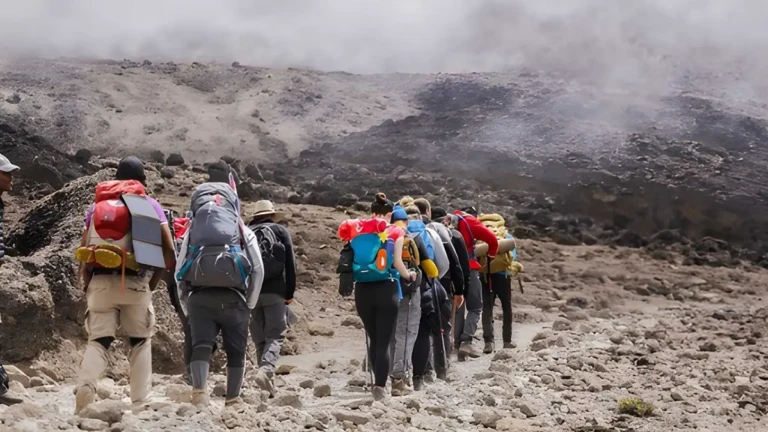
Planning your trek in Morocco’s Atlas Mountains? Knowing the best seasons is key. The Atlas Mountains offer a unique trekking experience, with varying conditions all year.
The best times are spring and fall. The weather is mild, and the landscapes are vibrant.
Spring is great for trekking in the Atlas Mountains. The snow melts, and wildflowers bloom, making it beautiful. Temperatures are pleasant, from 15°C to 20°C (59°F to 68°F) during the day. It can get cool at night.
Spring trekking is less crowded than summer. It’s more peaceful and serene.
Fall is another great season for trekking. The summer heat fades, and the air is crisp. The foliage turns golden, adding to the beauty. Daytime temperatures are comfortable, from 15°C to 25°C (59°F to 77°F).
Fall is also less crowded than summer. It’s perfect for those who prefer cooler weather and occasional rain.
Spring and fall are the best seasons, but watch out for weather challenges. Rain showers can happen, and spring trails might be slippery from melting snow.
Knowing the weather helps you prepare. Always check forecasts before you go. Consider talking to local guides or trekking agencies for the latest info.
Before you start your trek in Morocco’s Atlas Mountains, get ready well. A well-prepared trekker can handle the terrain and enjoy the views better.
First, check your physical shape. The Atlas Mountains have trails for all levels. Being fit will make your trip better.
Start training 2-3 months before your trip. Do cardio like hiking, running, or cycling. Also, do strength training for your legs and core. Yoga can help with flexibility and balance.
Make sure you have all the documents you need. You’ll need a valid passport and maybe a visa. Check with the Moroccan embassy or consulate for visa info.
Also, get travel insurance that covers emergencies and trip cancellations. For some treks, you might need permits. Local guides or companies can help with this.
Planning your budget is key. Think about guides, places to stay, food, and renting gear. Look for the best deals from different companies.
Save some money for unexpected costs. Having extra cash can make your trip less stressful. Set aside some money for surprises or changes in your plans.
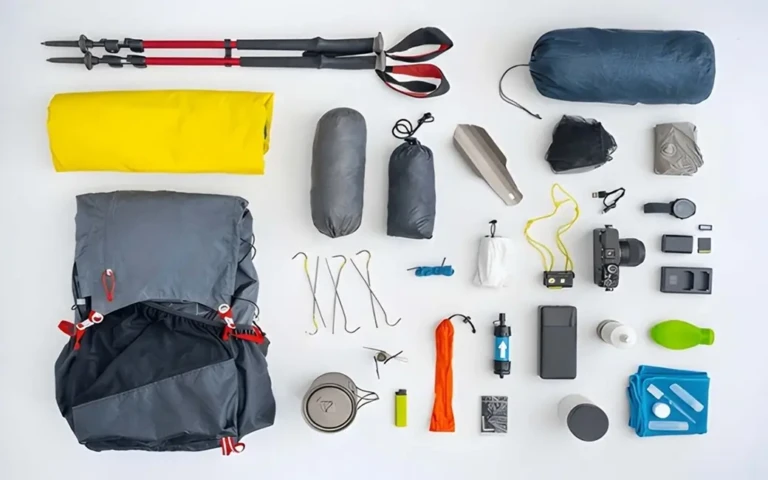
Before you start your trek in the Atlas Mountains, make sure your backpack is ready. It’s important to pack the right things for a safe and comfy hike.
Choosing the right clothes and shoes is key for your hike. Pack layers for different weather, like a base layer, mid-layer, and waterproof jacket. You’ll also need sturdy hiking boots with good grip and support.
Think about the season and weather when picking your clothes. In spring and fall, thermal layers are a must. For summer, choose light, breathable clothes. Remember to pack a hat, gloves, and sunglasses for protection.
Having a detailed checklist is essential for your hike. Start with the basics: a strong backpack, trekking poles, a water bottle or hydration pack, and a first aid kit.
| Equipment | Description | Importance Level |
|---|---|---|
| Trekking Poles | For stability on uneven terrain | High |
| Water Bottle/Hydration Pack | For staying hydrated | High |
| First Aid Kit | For treating minor injuries | High |
| Headlamp/Flashlight | For navigating in the dark | Medium |
| Emergency Shelter | For unexpected weather conditions | Medium |
A good first aid kit is vital for minor injuries on your trek. Include bandages, antiseptic wipes, pain relievers, and any personal meds. Also, carry a basic guide to wilderness first aid.
Don’t forget to pack emergency items like a portable charger, a whistle, and a lightweight emergency blanket. These can be very helpful in emergencies.
Trekking in Morocco’s Atlas Mountains is an unforgettable experience. Trails here cater to every kind of adventurer. You’ll find a trail that suits your preferences, whether you’re a seasoned hiker or just starting out.
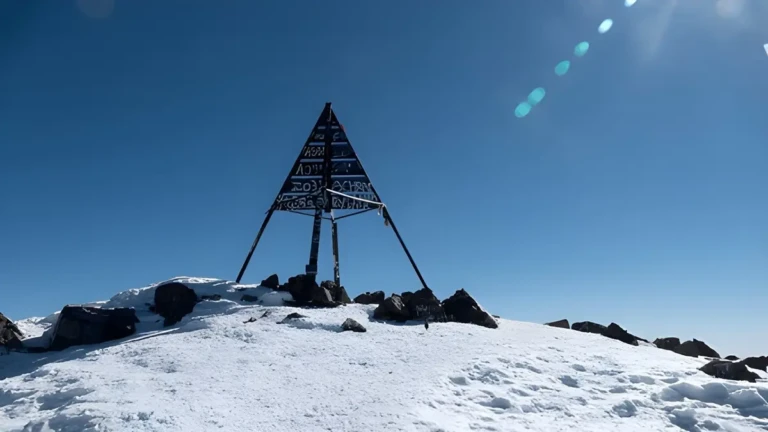
The Mount Toubkal trek is a top choice in the Atlas Mountains. It takes you to Morocco’s highest peak, 4,167 meters high. The trek is two days long, with an overnight stay in a mountain refuge.
The trail starts in Imlil village and goes up through scenic valleys and rugged terrain. Along the way, you’ll see traditional Berber villages, giving you a glimpse into local culture.
The Jebel Saghro trek offers a desert-like experience. Located in the Atlas Mountains’ southeastern part, it combines mountain and desert landscapes. The trek goes through rugged terrain, with stunning desert views.
This trek is perfect for those seeking a unique adventure. It’s less crowded than Mount Toubkal, with breathtaking scenery.
The M’Goun Massif trek is great for those looking for something different. Located in the Atlas Mountains’ heart, it offers stunning scenery and cultural experiences. The trek goes through traditional villages, scenic valleys, and rugged terrain.
This trek is a less crowded alternative to Mount Toubkal, with equally stunning views. It’s ideal for those seeking a more authentic trekking experience.
| Trek | Duration | Difficulty | Highlights |
|---|---|---|---|
| Mount Toubkal | 2 days | Challenging | Panoramic views from Morocco’s highest peak |
| Jebel Saghro | 3-4 days | Moderate to challenging | Unique desert mountain landscapes |
| M’Goun Massif | 4-5 days | Moderate | Scenic valleys, traditional villages, and rugged terrain |
Each trekking route in Morocco’s Atlas Mountains offers a unique experience. You’ll see breathtaking scenery and encounter rich cultures. Whether you choose Mount Toubkal, Jebel Saghro, or M’Goun Massif, your trekking adventure will be unforgettable.
Trekking in the Atlas Mountains is exciting. Your choice between a guided tour or solo trek depends on several factors. This choice affects your adventure, from the paths you take to the local culture and terrain insights.
It’s important to weigh the benefits of each option. Hiring local guides can greatly enhance your trek.
Local guides offer valuable knowledge and expertise. They know the terrain, weather, and hazards, making your journey safer. They also share insights into the region’s history, culture, and traditions, deepening your understanding.
Choosing a guided trek means picking a reputable company is key. Look for licensed companies with positive reviews and experienced guides in the Atlas Mountains.
| Company Name | Services Offered | Guide Experience |
|---|---|---|
| Atlas Mountain Guides | Guided treks, hiking tours | Over 10 years of experience |
| Morocco Trekking Adventures | Cultural tours, trekking expeditions | Guides with local knowledge |
| Mountain Explorers | Hiking, camping, cultural experiences | Experienced in leading groups |
For solo treks, thorough preparation is essential. Research your route, get necessary permits, and plan for accommodations and emergencies.
By considering your options and preparing well, you can have a rewarding trek in the Atlas Mountains, whether guided or solo.
When you trek in Morocco’s Atlas Mountains, your stay and food can make a big difference. The area has many options for different tastes and budgets.
Mountain refuges and gites are great for comfort after trekking. They serve traditional meals, letting you try Berber food. Family-run places offer a warm welcome and cultural insights.
Refuges near popular trails, like Mount Toubkal, are popular. Book early, as they fill up fast during busy seasons.
Camping gives a rustic feel. The Atlas Mountains have many campsites, from simple to more equipped. Make sure you have a good tent, sleeping bag, and clothes for the mountain weather.
On your trek, you’ll taste traditional Moroccan mountain food. Dishes often include lamb, veggies, and spices. They’re filling, perfect for after trekking.
Some places offer meals, letting you enjoy local dishes. Try tagine and couscous, local favorites.
Knowing your options for staying and eating is key for a good trek in the Atlas Mountains. Whether you choose a cozy gite or camping, the food and hospitality will impress you.
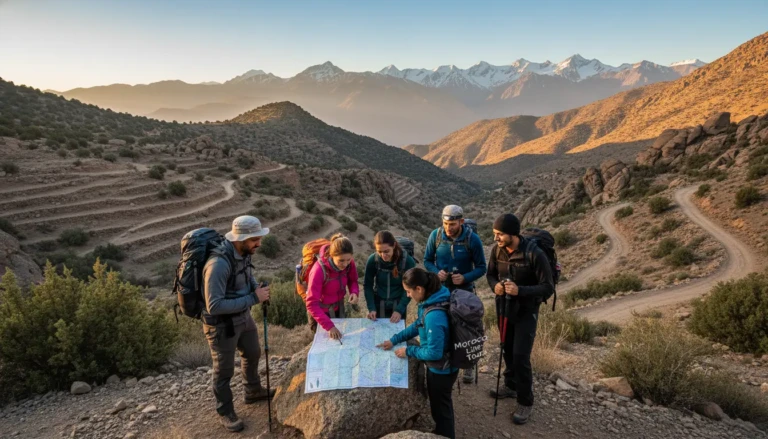
Before you head out on your Atlas Mountains hiking trip, it’s important to know about safety. The Atlas Mountains are exciting to explore, but they also have their own challenges and risks.
Altitude sickness is a big worry when trekking in the Atlas Mountains. The high altitudes can lead to headaches, nausea, and feeling tired. To avoid altitude sickness, follow these tips:
Talk to a doctor before you go, if you have any health issues.
When you’re in remote places like the Atlas Mountains, navigation and communication are key. Make sure you have:
Tell someone your plans and when you’ll be back. This helps in case of an emergency.
Being ready for emergencies is important. Learn the local emergency plans and have a backup plan. This includes:
Guided treks in the Atlas Mountains can be safer. Local guides know the area well and can help in emergencies.
By knowing these safety tips and taking the right steps, you can have a safe and fun hiking trip in Morocco’s Atlas Mountains.
As you finish your trek in the Atlas Mountains, you’ll remember stunning views and friendly locals. Morocco’s mountains enchant both new and experienced trekkers. Trekking here is unforgettable, blending adventure with cultural discovery.
Your trip through the Atlas Mountains was likely filled with amazing sights, tough trails, and meaningful moments. Morocco adventure travel is about the people, food, and landscapes that amaze you. Think about planning another trekking tour in Morocco to see more of its beauty.
The magic of Morocco’s mountains stays with you even after you’re back home. With its varied landscapes, rich culture, and welcoming people, the Atlas Mountains call you to come back. So, start planning your next trekking adventure in Morocco and keep embracing the magic of its mountains.
The best times are spring (March-May) and fall (September-November). The weather is mild, and the scenery is vibrant.
Trekking alone is possible, but a local guide is very helpful. They share insights on culture, history, and terrain. Guided tours offer a structured experience.
Pack essential clothes and shoes. Don’t forget a first aid kit and emergency supplies. Renting gear in Morocco is also an option.
Popular routes include Mount Toubkal, Jebel Saghro, and M’Goun Massif. Choose based on your experience and interests. Guided treks offer a tailored experience.
Feel free to contact us via email, phone, or WhatsApp chat.
Plan smarter with this 3 days tour from marrakech to merzouga guide, including
Your one-stop guide to navigating Casablanca Airport like a pro. Get essential tips
Avoid tourist traps with this restaurants marrakech morocco guide to 15 trusted places
Discover the best desert clothing for Sahara travel, from hot weather outfits to
Curious about Morocco? Morocco Facts Interesting Readers Will Love, with travel tips, culture,
Need family vacation ideas? Morocco Family Tours shares 7 amazing Morocco destinations for
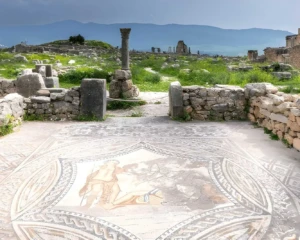
Planning a day trip? volubilis morocco offers Roman ruins, mosaics, and easy travel