Languages Spoken in Morocco
- Morocco Line Tours
- January 18, 2026
- Morocco Travel Guide
Morocco is a place where many languages come together. This shows its rich cultural heritage. As you explore, you’ll see many languages and dialects. They all help shape the identity of its people.
In Morocco, you’ll find Arabic as the official language. There are also Amazigh dialects, a legacy from French and Spanish colonialism. Plus, international languages are becoming more common. Knowing the Moroccan languages helps you understand the country’s history, culture, and everyday life.
- Morocco has a rich linguistic diversity with multiple languages and dialects.
- Arabic is an official language, while Amazigh dialects are also widely spoken.
- French and Spanish have a significant presence due to colonial history.
- Understanding local languages enhances cultural appreciation.
- Language plays a key role in Morocco’s identity and daily life.
1. The Linguistic Landscape of Morocco
Exploring Morocco reveals a rich linguistic tapestry. This diversity comes from the country’s strategic location. It sits at the crossroads of Africa, Europe, and the Arab world.
Historical Context of Moroccan Languages
Morocco’s language history is shaped by many cultures. The Berber tribes, Arab conquerors, and European colonizers have all left their mark. This mix has created a society where many languages live together.
Language Distribution Across Regions
Language use changes a lot from one region to another in Morocco. Cities are more diverse, with many foreign languages spoken. But, rural areas stick to traditional languages and dialects.
Urban vs. Rural Language Usage
In cities like Casablanca and Rabat, you’ll hear Arabic, French, Berber, and sometimes English. But, in the countryside, Berber dialects and Moroccan Arabic are more common.
| Region | Predominant Languages |
|---|---|
| Urban Centers | Arabic, French, Berber, English |
| Rural Areas | Berber dialects, Moroccan Arabic |
2. What Are the Languages Spoken in Morocco? A Complete Overview
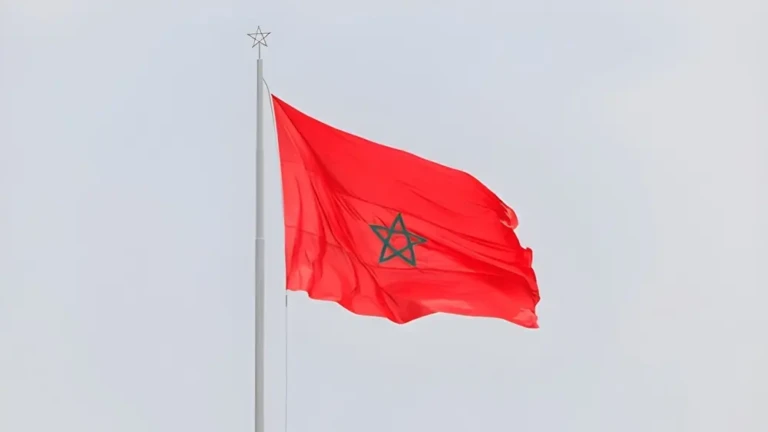
Understanding the languages spoken in Morocco is key to appreciating its complex cultural identity. Morocco’s linguistic landscape is a mix of official languages, regional dialects, and foreign languages. Each plays a significant role in the country’s social fabric.
Official Languages and Their Status
Morocco has two official languages: Modern Standard Arabic and Amazigh (also known as Berber). Modern Standard Arabic is used in official contexts, education, and media. Amazigh is recognized as an official language and used in certain government and educational contexts.
The recognition of Amazigh as an official language is a big step. It promotes the cultural heritage of the Amazigh people, who have a rich history in the region.
Regional Languages and Dialects
Besides the official languages, various regional dialects and languages are spoken across Morocco. Moroccan Arabic, or Darija, is widely spoken and acts as a lingua franca among Moroccans. Different Amazigh dialects like Tarifit, Tamazight, and Tashelhit are used in different regions.
Foreign Languages in Modern Morocco
French and Spanish are significant foreign languages in Morocco, showing the country’s historical ties with Europe. French is widely used in business, education, and government. Spanish is more prevalent in the northern regions due to historical Spanish influence.
English is also becoming more important, mainly in tourism and business. It’s a valuable language for visitors and investors to learn.
3. Moroccan Arabic (Darija): The Everyday Language
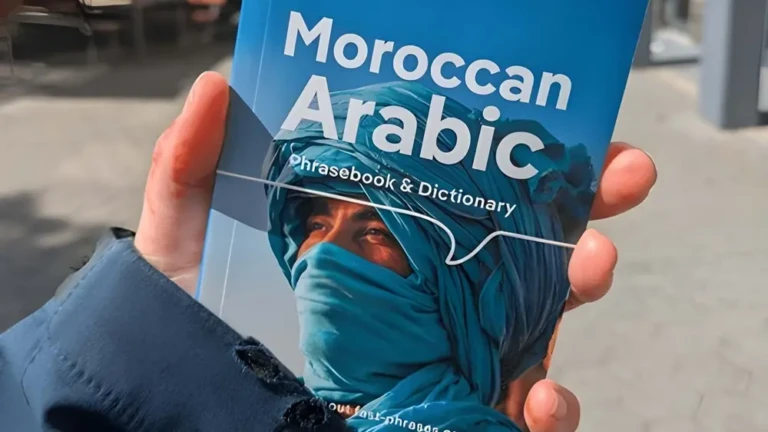
In Morocco, Darija is the key to connecting with the culture and people. It’s the everyday language used in casual settings. You’ll hear it at family gatherings and in market negotiations.
How Darija Differs from Standard Arabic
Darija is unique and worth learning. It has differences from Standard Arabic.
Pronunciation Differences
Darija’s pronunciation is distinct. It has a special accent and intonation. For example, consonants and vowels are softer in Darija.
Vocabulary Variations
Darija also includes words from French and Spanish. This is due to Morocco’s history of colonization. It has a vocabulary different from Standard Arabic.
| Word | Darija | Standard Arabic |
|---|---|---|
| Telephone | tilifoun | hatif |
| Coffee | qahwa | qahwa (same) |
| Police | polis | shurta |
Regional Variations of Moroccan Arabic
Darija varies across Morocco, showing the country’s diverse culture. For example, Fez’s Darija has a unique accent, seen as traditional.
Essential Darija Phrases for Travelers
Learning basic Darija phrases can improve your Morocco trip. Here are some phrases to start with:
- Hello: “Salam” (سلام)
- Thank you: “Shukraan” (شكرا)
- How much?: “Bshahal?” (بشحال؟)
- Where is…?: “Fin…?” (فين…؟)
Using Darija lets you connect more with Moroccan culture and people. It makes your visit unforgettable.
4. Standard Arabic: The Official Language
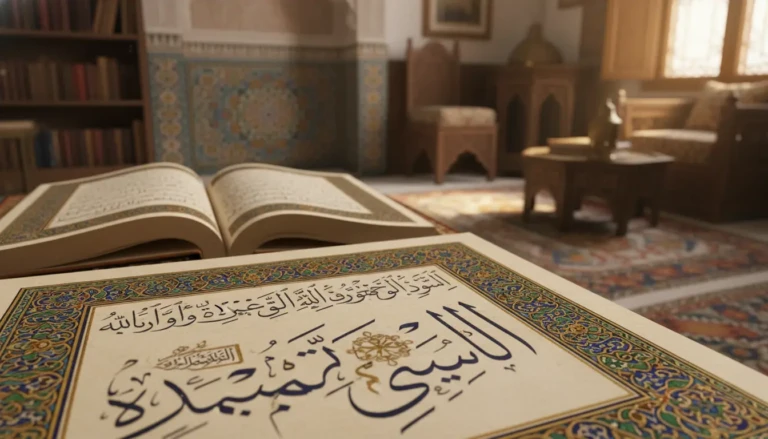
Exploring Morocco, you’ll find Standard Arabic is the official language. It’s key for formal talks across the country.
Role in Education and Government
Standard Arabic is important in Morocco’s schools and government. It’s used in official papers, government talks, and school lessons. This keeps things consistent and united in these areas.
When and Where It's Used
Standard Arabic is used in formal events, news, and schools. It’s the go-to for writing, like in newspapers, books, and government stuff.
Recognizing Written Standard Arabic
You’ll see it in official signs, papers, and books. Getting to know this script helps you understand Morocco’s official language better.
Written Standard Arabic stands out with its Modern Standard Arabic words and fancy calligraphy. You’ll see it in official documents and media.
- Used in government and education
- Found in official documents and media
- Distinct formal script
5. Amazigh (Berber): Morocco's Indigenous Language
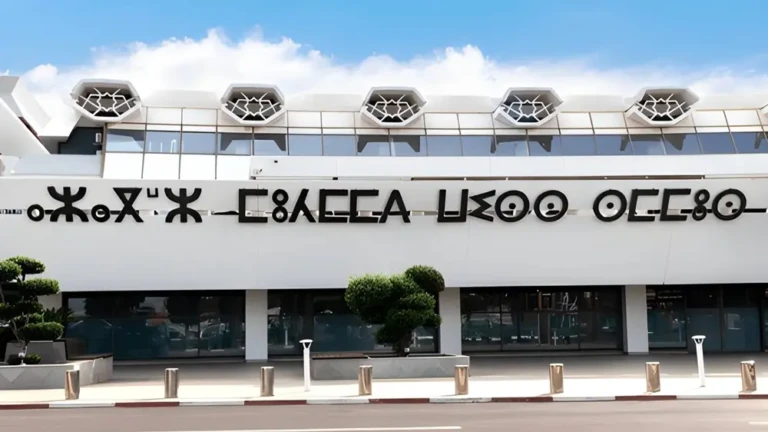
Exploring Morocco reveals the Amazigh language’s importance. Known as Berber, it’s a key part of Morocco’s culture. It has a long history, even before Arabic arrived.
The Three Main Berber Dialects
The Amazigh language in Morocco is diverse. It includes Tarifit, Tamazight, and Tashelhit dialects. Each has its own features and is spoken in various areas.
- Tarifit is mainly spoken in the Rif region.
- Tamazight is used in the Middle Atlas region.
- Tashelhit is spoken in the High Atlas and Sous regions.
Understanding the Tifinagh Alphabet
The Amazigh language has its own script, Tifinagh. It’s an ancient alphabet now used again. The Tifinagh alphabet has 33 letters and is written from left to right.
Understanding the Tifinagh Alphabet
The Amazigh language is more than a way to talk. It’s a symbol of identity and culture for the Amazigh people. It helps keep traditions, folklore, and history alive.
Amazigh Revival Movement
Lately, there’s a growing interest in Amazigh language and culture. This is thanks to efforts to save and celebrate this part of Moroccan identity. The movement includes work in education, media, and cultural events.
6. How to Navigate French in Morocco
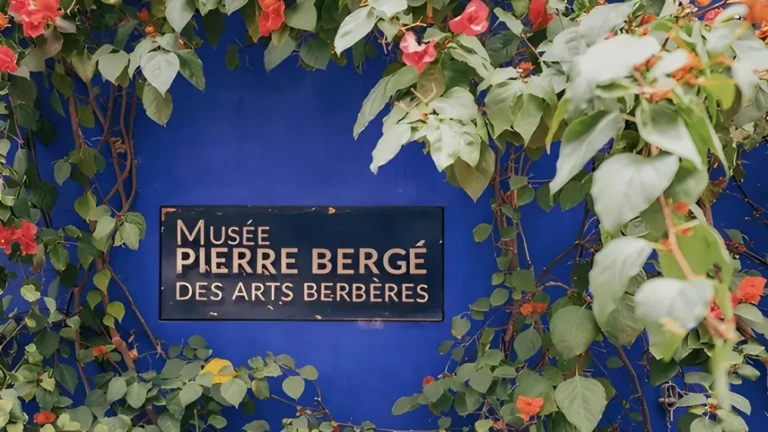
Learning French can make your time in Morocco better. It helps in business talks and exploring the culture. French is common, mainly in formal and professional places.
French in Business and Professional Settings
In Morocco, French is key for business. It’s used in finance, law, and international trade. Knowing French is vital for business activities.
French in Education and Media
French is important in Moroccan schools, more so in higher education and science. Many media, like newspapers and TV, also use French. This shows its big role in society.
Practical French Phrases for Morocco Travel
Knowing some French phrases can make your trip better. Here are a few important ones:
| English | French |
|---|---|
| Hello | Bonjour |
| Thank you | Merci |
| Excuse me | Excusez-moi |
Regional Differences in French Usage
French is understood everywhere, but its use changes by region. In cities like Casablanca and Rabat, French is more common. But in rural areas, other languages might be used more.
Using French can improve your time in Morocco. It’s useful whether you’re there for work or fun.
7. Spanish Influence in Northern Morocco
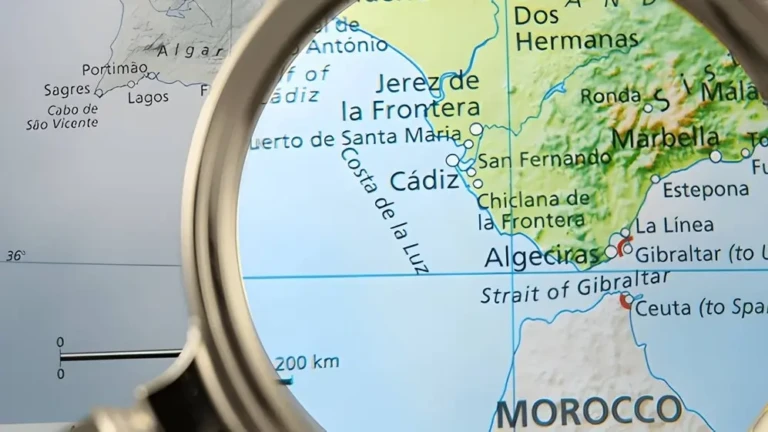
Exploring Northern Morocco reveals a strong Spanish culture and language impact. This comes from the region’s historical ties with Spain. These ties have left a lasting mark.
Historical Context of Spanish Presence
Northern Morocco was under Spanish rule from the early 20th century until Morocco gained freedom in 1956. During this time, many Spanish settlers arrived. Spanish became a key language in government, schools, and business.
Where Spanish is Commonly Spoken Today
In cities like Tangier, Tetouan, and Larache, Spanish is widely spoken. Many locals, mainly the older generation and those in tourism, speak Spanish well.
Spanish Loanwords in Moroccan Dialects
Moroccan Arabic, or Darija, has many Spanish words, mainly in food, clothes, and daily items. For instance, “fork” is “forshita,” from Spanish “tenedor.”
Basic Spanish Phrases Useful in Northern Morocco
Learning a few Spanish phrases can make your trip to Northern Morocco better. Here are some useful ones:
| English | Spanish |
|---|---|
| Hello | Hola |
| Thank you | Gracias |
| How much is this? | ¿Cuánto cuesta esto? |
Understanding Spanish’s influence in Northern Morocco helps you appreciate the area’s unique culture. It also makes interacting with locals more effective.
8. English and Other Foreign Languages in Morocco
Morocco is becoming more connected to the world. This is why learning foreign languages, like English, is getting more important. The country’s tourism and business are growing, leading to this need.
The Growing Importance of English in Tourism and Business
English is becoming key for communication in Morocco, mainly in tourism and business. Many in the service industry, like hotel staff and tour guides, are learning English. This is to serve the increasing number of international visitors.
Where English is Most Commonly Spoken
English is most spoken in tourist spots, big cities like Marrakech and Casablanca, and places popular with visitors. Many signs and menus are in English too. This helps tourists get around more easily.
Other Languages You Might Encounter
Other languages are also present in Morocco because of history and culture. For example, Spanish is common in the north because of Spanish influence.
Portuguese and Italian Influences
While not as common, you might hear Portuguese and Italian too. Portuguese is used by some due to trade history. Italian might be spoken by certain business or cultural groups.
| Language | Context | Regions |
|---|---|---|
| English | Tourism, Business | Marrakech, Casablanca, Tourist areas |
| Spanish | Historical influence, Education | Northern regions |
| Portuguese | Historical trade links | Specific communities |
| Italian | Business, Cultural exchange | Urban areas |
9. Navigating Language Barriers: A Practical Guide
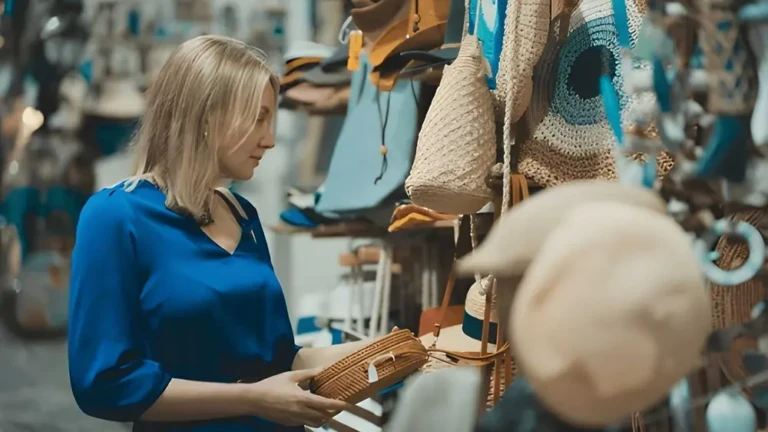
Morocco’s many languages can be a challenge for visitors. But, with the right help, it’s easier to get around. Knowing the language scene is key for good communication on your trip.
Language Tips for Different Regions of Morocco
Morocco’s language mix changes a lot from one area to another. In cities like Marrakech and Rabat, you’ll find more French or English speakers, mainly in tourist spots.
In the north, Spanish is more common, thanks to Spanish history. But, in the countryside, Arabic and Amazigh are the main languages.
| Region | Predominant Languages | Tips for Travelers |
|---|---|---|
| Urban Areas (Marrakech, Rabat) | Darija, French, English | Learn basic French phrases; many signs are in French and Arabic. |
| Northern Morocco | Arabic, Spanish, Tarifit (Amazigh) | Knowing some Spanish can be helpful; many locals speak it. |
| Rural Areas | Arabic, Amazigh dialects (Tamazight, Tashelhit) | Carry a translation app; fewer people speak foreign languages. |
Using Translation Apps and Services Effectively
Translation apps are a big help when you can’t speak the local language. Apps like Google Translate can translate text and speech live.
For harder conversations, think about getting a local guide or using a translation service.
Cultural Etiquette When Communicating
Knowing the local customs is as important as speaking the language. Moroccans really value being polite and respectful.
Non-Verbal Communication in Morocco
Using your right hand for giving or taking is very important. Looking someone in the eye shows respect, but remember to respect personal space too.
Learning a few basic words in Arabic or Amazigh shows you care about the culture.
10. Learning Moroccan Languages: Resources and Methods
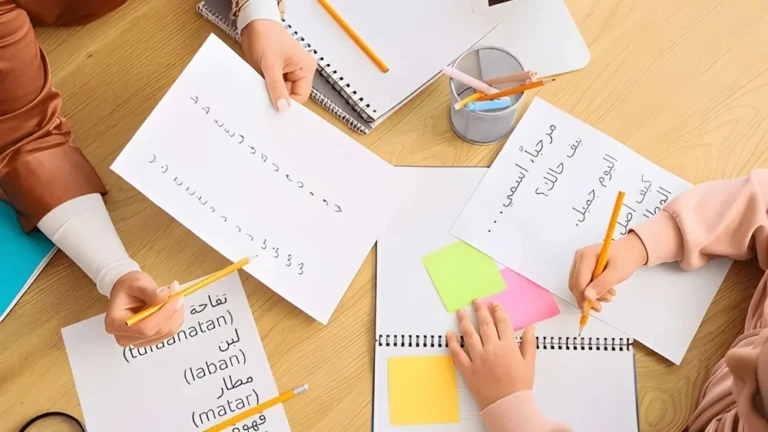
To learn Moroccan languages well, it’s important to look at the resources and methods available. Whether you’re starting out or want to get better, there are many options for you.
Online Courses and Apps
Online courses and apps make learning Moroccan Arabic and Amazigh easy. Sites like Duolingo, Rosetta Stone, and Memrise offer fun lessons that fit your pace. You can also find special Moroccan language courses online, giving you a deep learning experience.
Language Schools and Immersion Programs
For a deeper dive, try a language school in Morocco or an immersion program. These offer a chance to learn from native speakers and practice in real life. Schools for foreigners have classes for all levels, from beginners to advanced.
Self-Study Techniques
Self-study is a good way to learn Moroccan languages too. Try listening to local music, watching Moroccan movies with English subtitles, and practicing with language exchange partners. Flashcards can also help you remember new words and phrases.
Language Exchange Opportunities
Language exchange with locals is a great way to improve. You can find exchange partners on social media, language exchange websites, or local centers. It’s a good way to learn the language and get to know the culture.
Using these resources and methods can help you learn Moroccan languages well. Whether you like online learning, immersion, or self-study, the most important thing is to keep practicing and be open to new experiences.
Conclusion: Embracing Morocco's Linguistic Diversity
Morocco’s languages show its rich history, culture, and identity. You’ve learned about the many languages and dialects here. This gives you a deeper look into this interesting country.
The official languages are Standard Arabic and Amazigh. French and Spanish are also widely used. Morocco’s mix of languages makes it special. When you visit, learning about these languages will make your trip better.
Knowing Morocco’s languages helps you move around easily. You’ll see how Moroccan Arabic, or Darija, is used daily. And you’ll understand the role of Amazigh in keeping the indigenous culture alive.
Exploring Morocco’s languages shows its strength, not weakness. It shows the country’s ability to change while staying true to itself.
FAQ
What are the official languages of Morocco?
Morocco’s official languages are Standard Arabic and Amazigh (Berber).
What is the difference between Standard Arabic and Moroccan Arabic (Darija)?
Standard Arabic is used in formal settings. Moroccan Arabic (Darija) is for everyday talk.
Is French is widely spoken in Morocco?
Yes, French is common in Morocco. It’s used in business, education, and media.
What is the significance of the Amazigh language in Morocco?
Amazigh is Morocco’s native language. It has a rich culture and is key to the country’s identity.
Can I communicate with locals using English in Morocco?
Are there regional variations in language usage across Morocco?
How can I learn Moroccan Arabic or Amazigh?
What are some essential phrases to know when traveling to Morocco?
Can I use translation apps to communicate with locals?
How can I navigate language barriers when communicating with locals?
Categories
- Destinations
- Travel Tips
- Itineraries & Guides
- Food & Culture
Have Any Question?
Feel free to contact us via email, phone, or WhatsApp chat.
More Posts
3 days tour from marrakech to merzouga: 3-Day Guide
Plan smarter with this 3 days tour from marrakech to merzouga guide, including
Casablanca Airport: Your Essential Travel Guide
Your one-stop guide to navigating Casablanca Airport like a pro. Get essential tips
Restaurants Marrakech Morocco: 15 Best Places to Eat
Avoid tourist traps with this restaurants marrakech morocco guide to 15 trusted places
Desert Clothing: Best Outfits for Hot Weather & Sahara Travel
Discover the best desert clothing for Sahara travel, from hot weather outfits to
Morocco Facts Interesting Travelers Should Know Before They Go
Curious about Morocco? Morocco Facts Interesting Readers Will Love, with travel tips, culture,
Morocco Family Tours: 7 Best Places to Visit With Kids
Need family vacation ideas? Morocco Family Tours shares 7 amazing Morocco destinations for
Volubilis Morocco: 7 Best Reasons to Visit in 1 Day
Planning a day trip? volubilis morocco offers Roman ruins, mosaics, and easy travel