
Do Americans Need a Visa for Morocco?
- Morocco Line Tours
- January 12, 2026
- Travel Tips
Planning a trip to Morocco can be an exciting adventure, but understanding the entry requirements is crucial for a smooth journey. As a US citizen, you’re likely wondering if you need a visa or eVisa to enter Morocco.
With Morocco’s rich cultural heritage and stunning landscapes, it’s no surprise that over 1.2 million US citizens visit the country annually. To ensure a hassle-free entry, it’s essential to familiarize yourself with the visa requirements.
- US citizens can stay in Morocco for up to 90 days without a visa.
- An eVisa is required for longer stays or specific purposes like work or study.
- Morocco’s visa policy is subject to change, so it’s crucial to check the latest requirements.
- Linetours provides up-to-date information and assistance with visa applications.
- Ensure you have a valid passport with at least six months’ validity.
1. Current Visa Policy for US Citizens Traveling to Morocco
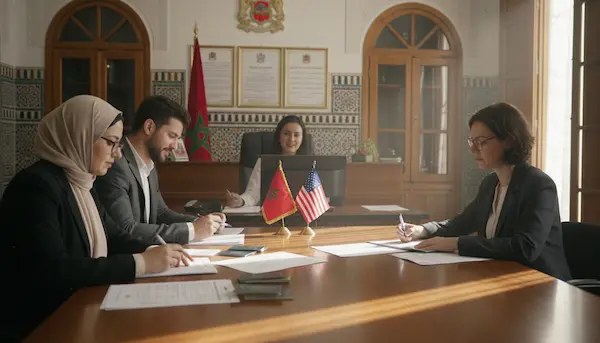
Understanding the current visa policy for US citizens traveling to Morocco is essential for a smooth entry into the country. Morocco has established specific entry requirements that US citizens must comply with to ensure a hassle-free travel experience.
Morocco's General Entry Requirements
Morocco’s general entry requirements include having a valid passport with at least six months’ validity from the date of entry, a return or onward ticket, and proof of sufficient funds for the duration of stay. US citizens should also be prepared to provide information about their accommodation and travel itinerary.
- A valid passport with at least six months’ validity
- Return or onward ticket
- Proof of sufficient funds
- Information about accommodation and travel itinerary
Special Provisions for American Passport Holders
American passport holders are eligible for visa-free entry into Morocco for tourism or business purposes, provided their stay does not exceed 90 days within a 180-day period. It’s crucial for US citizens to adhere to the purpose of their visit and not engage in any activities that are not permitted under the visa-free regime.
Do Americans Need a Visa for Morocco?
Before packing your bags for Morocco, it’s essential to understand the visa requirements for US citizens. Morocco has a relatively open visa policy for Americans, allowing for visa-free entry under certain conditions.
Visa-Free Entry Duration for US Citizens
US citizens can enter Morocco without a visa for a specific period. The duration of stay is crucial, as it determines how long you can remain in the country without needing to apply for a visa extension or face potential penalties.
Tourist Stay Limitations
Typically, Americans are allowed to stay in Morocco for up to 90 days within a 180-day period for tourism or business purposes without a visa. This means you can enjoy the vibrant cities, rich cultural heritage, and stunning landscapes without the need for a pre-arranged visa.
Entry Stamp Importance
Upon arrival, it’s crucial to ensure that your passport is stamped by the Moroccan authorities. This entry stamp is your proof of legal entry into the country and is essential for any future interactions with local authorities or when applying for services.
Purpose of Travel Considerations
The purpose of your travel to Morocco also plays a significant role in determining whether you need a visa. While tourism and business trips are generally covered under the visa-free policy, other purposes such as work, study, or residency require different types of visas.
Understanding these requirements can help you plan your trip more effectively and avoid any potential issues upon arrival.
2. The New Morocco eVisa System
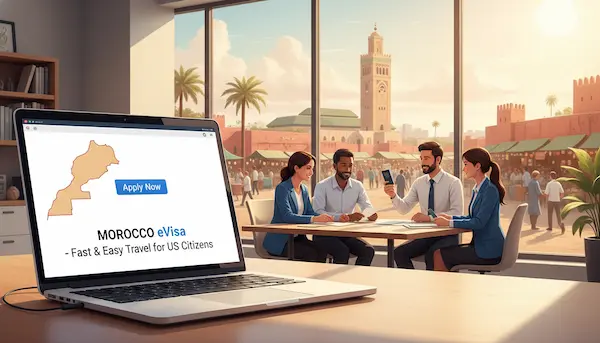
Morocco has introduced a new eVisa system, simplifying the travel process for US citizens. This electronic visa platform is designed to make it easier for travelers to enter Morocco, reducing the administrative burden and wait times associated with traditional visa applications.
Introduction of the Electronic Visa Platform
The Moroccan government’s decision to introduce an electronic visa platform marks a significant step towards modernizing its immigration processes. This new system allows travelers to apply for and receive their visas online, eliminating the need to physically visit a Moroccan embassy or consulate. The eVisa system is part of Morocco’s efforts to boost tourism and facilitate travel to the country.
Who Needs to Use the eVisa System
The eVisa system is mandatory for certain nationalities, including US citizens, who were previously eligible for visa-free entry or required a visa on arrival. Now, Americans planning to visit Morocco must apply for an eVisa before their trip. The system is designed to streamline the entry process and provide more efficient and secure travel arrangements.
Americans' Status Under the New System
Under the new eVisa system, US citizens are required to apply for an electronic visa prior to their arrival in Morocco. This involves submitting personal and travel information online and paying the applicable fee. The eVisa is typically processed within a few days, and once approved, it is sent to the applicant via email.
Future Changes to Consider
As the eVisa system is relatively new, it’s essential for travelers to stay informed about any future changes or updates. The Moroccan government may adjust the requirements or processing procedures, so it’s advisable to check the official eVisa website regularly for the latest information.
3.Documentation Required for US Citizens Entering Morocco
To enter Morocco, US citizens need to prepare certain documents in advance to ensure a seamless travel experience. Understanding the necessary documentation is crucial for a stress-free trip.
Passport Requirements and Validity
Your passport must be valid for at least six months beyond your planned departure date from Morocco. Ensure your passport has sufficient blank pages for entry stamps.
Proof of Accommodation
You may be required to show proof of accommodation, such as a hotel reservation or a letter of invitation if you’re staying with friends or family. This demonstrates your planned itinerary and living arrangements during your stay.
Return Ticket Requirements
Having a return ticket or an onward ticket is often requested to prove your intention to leave Morocco. This is a common requirement for many countries, including Morocco, to ensure visitors do not overstay their welcome.
| Document | Description | Requirement |
|---|---|---|
| Passport | Valid for at least six months beyond your departure date | Mandatory |
| Proof of Accommodation | Hotel reservation or letter of invitation | Recommended |
| Return Ticket | Return or onward ticket | Often requested |
4. Customs Regulations for Travelers
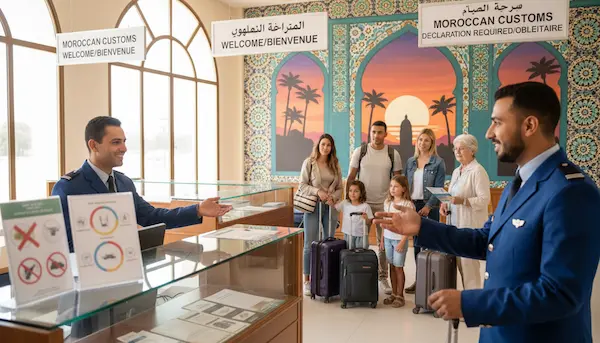
To ensure a hassle-free entry into Morocco, familiarize yourself with the country’s customs rules. Understanding these regulations will help you avoid any potential issues or delays during your trip.
Currency Declaration Requirements
When entering Morocco, you are required to declare any amount of currency exceeding 50,000 MAD (approximately $5,500 USD). Failure to comply with this regulation can result in fines or confiscation of the undeclared amount. It’s essential to have the necessary documentation ready, including proof of the origin of the funds.
Restricted and Prohibited Items
Morocco has strict regulations regarding certain items that can be brought into the country. Restricted items include specific goods that require special permits or have limitations, while prohibited items are entirely banned.
Electronics and Medication Rules
When traveling to Morocco, you are allowed to bring personal electronics such as laptops, cameras, and smartphones. However, it’s recommended to declare these items to avoid any potential issues. Certain medications are also permitted, but it’s crucial to carry a valid prescription and a doctor’s note to avoid any complications.
Cultural Artifacts and Souvenirs
Be cautious when purchasing cultural artifacts or antiques, as exporting them without proper authorization is prohibited. Ensure that you obtain the necessary permits and receipts for any such items.
| Item | Allowed | Restricted | Prohibited |
|---|---|---|---|
| Laptops and Electronics | Yes | – | – |
| Prescription Medication | Yes | – | – |
| Cultural Artifacts | – | Yes, with permit | Without permit |
5. Extending Your Stay in Morocco as a US Citizen
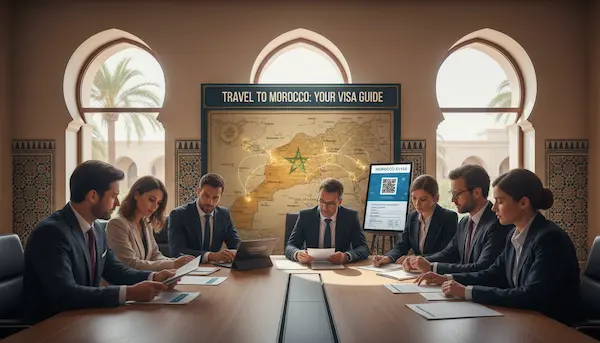
Morocco, with its rich culture and history, can be a captivating destination, but extending your stay requires some paperwork. If you’re a US citizen who has fallen in love with the vibrant souks, delicious cuisine, or the beautiful landscapes, you might be considering staying longer than your initial visa allows.
Legal Process for Stay Extensions
To extend your stay legally, you need to apply for a visa extension through the local authorities in Morocco. The process involves visiting a local police station or a commissariat de police and submitting your application. It’s essential to start this process before your current visa expires to avoid any legal issues.
| Step | Description | Timeline |
|---|---|---|
| 1. Gather Documents | Collect required documents including your passport, current visa, and proof of financial means. | At least 1 week before visa expiry |
| 2. Visit Local Police Station | Submit your application for a visa extension. | Within working hours |
| 3. Pay Fees | Pay the required fees for the visa extension. | Upon application |
Required Documentation for Extensions
The documentation required for a Morocco visa extension includes a valid passport with a current visa, passport-sized photos, proof of accommodation, and evidence of sufficient financial resources to support your stay. Ensuring you have all the necessary documents will facilitate a smoother application process.
By understanding the legal process and preparing the required documentation, you can enjoy a longer stay in Morocco without any legal complications.
6. Business Travel: Visa Requirements for Americans
When traveling to Morocco for business, understanding the visa requirements is crucial for a smooth entry. As an American entrepreneur or business traveler, you need to be aware of the specific regulations that apply to your trip.
Business Visa vs. Tourist Entry
If you’re traveling to Morocco for business purposes, you may need a different type of visa compared to tourists. While tourists can often enter Morocco visa-free for a certain period, business travelers may require a specific business visa. The key difference lies in the purpose of your visit and the activities you plan to undertake.
For instance, if you’re attending a conference, meeting clients, or conducting business negotiations, you’ll likely need a business visa. It’s essential to check with the Moroccan embassy or consulate to determine the most suitable visa category for your business activities.
Additional Documentation for Business Travelers
When applying for a business visa, you’ll need to provide additional documentation beyond what’s required for a tourist visa. This may include a letter of invitation from a Moroccan company, proof of business registration, and details of your itinerary.
| Document | Description |
|---|---|
| Letter of Invitation | A formal letter from a Moroccan company inviting you for business purposes |
| Business Registration | Proof of your company’s registration and legitimacy |
| Itinerary Details | A detailed schedule of your business activities in Morocco |
Ensuring you have the necessary documentation will facilitate a smoother visa application process and help you avoid any potential issues upon arrival in Morocco.
7. Student and Work Permits for US Citizens in Morocco
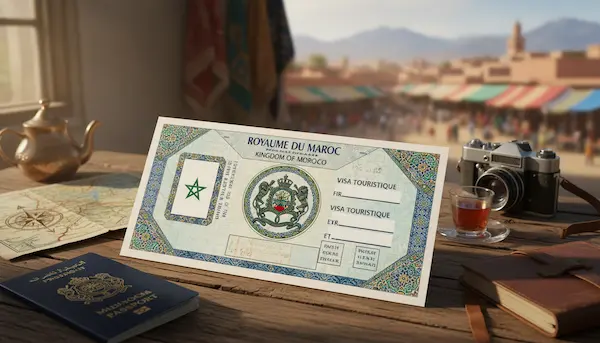
If you’re a US citizen looking to immerse yourself in Moroccan culture through study or work, you’ll need to navigate the permit requirements. Morocco is a country rich in history and culture, offering a unique experience for both students and professionals. To make the most of your time there, understanding the necessary procedures for obtaining the right permits is essential.
Student Visa Application Process
To study in Morocco, you’ll need to apply for a student visa. The process involves several steps:
- Secure admission to a Moroccan educational institution.
- Gather required documents, including a valid passport, proof of admission, and proof of financial means.
- Submit your application to the Moroccan embassy or consulate in the US.
It’s advisable to start this process well in advance of your planned departure date to ensure timely processing.
Work Permit Requirements and Application
For US citizens looking to work in Morocco, obtaining a work permit is a necessity. The application process typically involves:
- Securing a job offer from a Moroccan employer.
- Submitting required documents, including a valid passport, employment contract, and qualifications.
- Applying through the Moroccan labor ministry or relevant authorities.
As emphasized by Moroccan immigration authorities, having the correct documentation is crucial for a smooth application process.
8. Entry Requirements for Special Cases
When planning your trip to Morocco, it’s essential to understand the specific entry requirements that apply to your situation. Certain travelers, such as minors and individuals with dual citizenship, must comply with additional regulations.
Traveling with Minors to Morocco
If you’re traveling with minors to Morocco, you should be aware of the specific documentation required. Minors (those under 18 years old) may need to present additional paperwork, such as a birth certificate or a letter of authorization from their parents or guardians. This is particularly important if the minor is traveling with only one parent or with someone who is not their parent.
Entry with Dual Citizenship (US-Moroccan)
For US citizens with dual citizenship, including Moroccan citizenship, the entry process may differ. You should be aware that Moroccan authorities may require you to enter Morocco on your Moroccan passport. It’s advisable to check with the Moroccan embassy or consulate before your trip to understand the specific requirements for your situation.
9. Alternative Entry Points: Land and Sea Borders
For travelers looking for alternatives to flying, Morocco can be entered through various land and sea borders. While air travel is the most common method of entering Morocco, the country is also accessible by land from neighboring countries and by sea through several ports.
Entering from Spain (Ceuta and Melilla)
Morocco shares land borders with Spain through the territories of Ceuta and Melilla. Travelers can enter Morocco from these Spanish enclaves, but they should be aware of the specific entry requirements and regulations. When traveling from Ceuta or Melilla into Morocco, you will need to present your passport and possibly other documentation.
| Entry Point | Required Documents | Notes |
|---|---|---|
| Ceuta | Passport, proof of onward travel | Be prepared for potential delays |
| Melilla | Passport, health insurance | Check for any specific visa requirements |
Arriving by Cruise Ship or Ferry
Morocco is a popular destination for cruise ships, and many travelers arrive by sea. Major ports like Casablanca and Tangier welcome cruise liners and offer a gateway to explore the country’s rich culture and history. When arriving by cruise ship or ferry, travelers typically undergo a simplified entry process, but it’s essential to have your passport and any required visas ready.
Tips for Cruise Travelers: Make sure to check with your cruise line for specific requirements and recommendations for travel documents and preparations.
9. Moroccan Consulates and Resources in the United States
When planning your trip to Morocco, it’s essential to know where to find reliable information and assistance in the United States. Moroccan embassies and consulates serve as vital resources for travelers, providing necessary support and guidance.
Contact Information for Moroccan Embassies and Consulates
You can find contact information for Moroccan embassies and consulates on their official websites. For instance, the Moroccan Embassy in Washington D.C. is a primary point of contact for US citizens. They provide various services, including visa applications and travel advisories. It’s advisable to check their operating hours and available services before visiting.
Online Resources
American travelers can also benefit from online resources, including the official Moroccan government tourism website and travel advisory platforms. These resources offer up-to-date information on entry requirements, travel tips, and cultural insights. Ensuring you have the latest information will help make your trip to Morocco enjoyable and stress-free.
Conclusion: Ensuring a Smooth Entry into Morocco
As you plan your trip to Morocco, understanding the entry requirements is crucial for a smooth entry into Morocco. US citizens can enjoy visa-free travel for a specific duration, but it’s essential to comply with the regulations.
To ensure a hassle-free experience, make sure your passport is valid for at least six months beyond your intended stay. Additionally, be prepared to provide proof of accommodation and a return ticket. Familiarize yourself with Morocco’s customs regulations, including currency declaration and restricted items.
For a stress-free journey, consider the following Morocco travel tips: research your accommodations, plan your itinerary, and stay informed about local customs and laws. By being prepared, you can focus on enjoying the rich cultural heritage and breathtaking landscapes that Morocco has to offer.
By following these guidelines and staying informed, you can ensure a smooth entry into Morocco and a memorable travel experience.
FAQ
Do Americans need a visa to enter Morocco?
US citizens can enter Morocco without a visa for tourism or business stays up to 90 days within a 180-day period.
What is the Morocco eVisa system, and do Americans need it?
The Morocco eVisa system is an electronic visa platform. Currently, US citizens do not need an eVisa for tourism or business stays under 90 days, but it’s essential to check the latest requirements before traveling.
What are the passport requirements for US citizens entering Morocco?
Your passport must be valid for at least six months beyond your planned departure date from Morocco, and you should have at least one blank page for entry stamps.
Do US citizens need to show proof of accommodation when entering Morocco?
While not always required, it’s recommended to have proof of accommodation, such as a hotel reservation or a letter of invitation, to demonstrate your plans.
Are there any specific customs regulations US citizens should be aware of when entering Morocco?
Can US citizens extend their stay in Morocco, and how?
What are the requirements for US citizens traveling to Morocco for business purposes?
How do US citizens obtain a work permit or student visa for Morocco?
Are there any special considerations for US citizens with dual citizenship or those traveling with minors?
Can US citizens enter Morocco through land or sea borders, and what are the requirements?
Where can US citizens find more information and resources for traveling to Morocco?
Categories
- Destinations
- Travel Tips
- Itineraries & Guides
- Food & Culture
Have Any Question?
Feel free to contact us via email, phone, or WhatsApp chat.
More Posts
Things to Do in Sidi Ifni, Morocco
Explore the best things to do in Sidi Ifni, from beaches and views

Things to Do in Imlil, Morocco
Discover the top things to do in Imlil, Morocco, from hiking the Atlas
What to Do in Dakhla, Morocco
Discover the top things to do in Dakhla, Morocco—your ultimate guide to this

Things to Do in Al Hoceima, Morocco
Plan your perfect trip to Al Hoceima, Morocco. Our how-to guide reveals the

Things to do in Saidia, Morocco
Your guide to the best things to do in Saidia, Morocco. Discover the
Things to Do in Nador, Morocco
Uncover the must-see attractions and activities in Nador, Morocco. Our guide to the
Things to Do in Safi, Morocco
Discover the top things to do in Safi, Morocco, and make the most