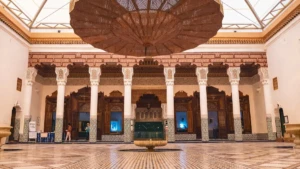
Discover the Wonders of Marrakech Museum
Discover the wonders of Marrakech Museum and immerse yourself in the vibrant history

Did you know the world’s oldest active university is in North Africa? A woman founded it in 859 AD. This shows the deep roots of a society built on knowledge. You are about to explore a land where ancient traditions meet modern life beautifully.
As you dive into this journey, you will find a vibrant blend of many ethnic groups. From the indigenous Berber tribes to Arab influences, every corner of this nation tells a unique story. Understanding the local history helps you see how these diverse communities created a single, unified identity.
You might feel amazed by the bright markets and the warm welcome found in every home. This moroccan culture is famous for its fine art, great food, and soulful music. Exploring this heritage reveals a fascinating world that has shaped the nation you see today.
Local families take great pride in their ancestral roots and customs. By learning about this background, you gain a deep respect for their skills and spirit. Let’s start our discovery of this enchanting and historic land together.
Exploring Morocco reveals a complex mix of cultures. This diversity is seen in the many ethnic groups that have shaped the country’s history and identity.
The Berber people, also known as Amazigh or Imazighen, are Morocco’s original inhabitants. They have a rich culture that started before the Arab conquest. The Berbers keep their unique identity alive through their languages, customs, and traditions.
Today, you can see Berber culture in the Atlas Mountains. Many Berber communities live there, keeping their culture alive despite centuries of outside influences.
The Arab conquest of Morocco in the 7th century changed the country a lot. Arab culture and Islam were introduced, affecting the Berbers. Over time, Arab and Berber cultures blended, creating the unique Moroccan identity.
The Arabic language became very important in Morocco. Many people today see themselves as Arab-Berber, showing the mix of these two cultures.
Besides Berbers and Arabs, Morocco has other ethnic groups. These include the Haratin, of sub-Saharan African descent, and the Gnawa, from West Africa.
Morocco’s ethnic diversity is also seen in its people. Here’s a table showing the main ethnic groups in Morocco:
| Ethnic Group | Population Percentage | Cultural Characteristics |
|---|---|---|
| Berber (Amazigh) | 40-60% | Indigenous, distinct languages and dialects, traditional craftsmanship |
| Arab | 30-40% | Arabic language, Islamic traditions, significant cultural influence |
| Haratin/Gnawa | 5-10% | Sub-Saharan African descent, unique cultural practices and music |
| Others | <5% | Diverse backgrounds, including European and Mediterranean influences |
This mix of cultures has made Morocco’s culture rich and interesting. It’s a country worth exploring.
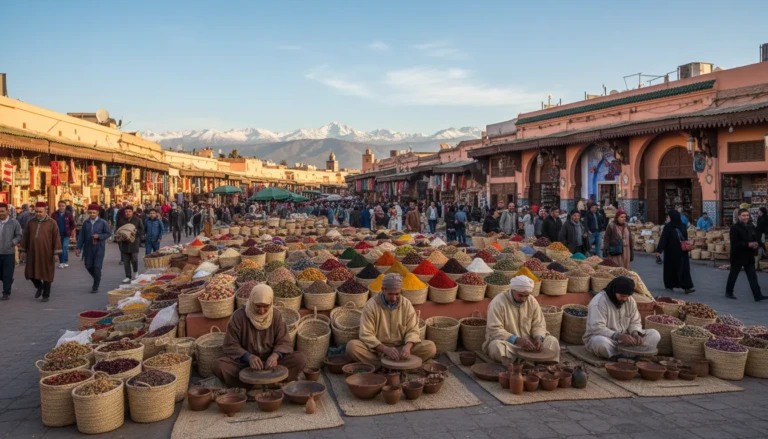
The story of Moroccan people is one of resilience and adaptation. It has been shaped by centuries of historical events. To understand the complexities of Moroccan heritage, it’s essential to explore the historical roots that have contributed to the country’s unique identity.
The history of Morocco starts with the ancient Berber kingdoms and dynasties. These groups played a big role in shaping the country’s early identity. The Berbers, indigenous to North Africa, established various kingdoms.
These kingdoms resisted and interacted with external forces, including the Romans.
Some key aspects of the Berber kingdoms include:
The Arab conquest of Morocco in the 7th century introduced Islam and the Arabic language. This significantly influenced the country’s cultural and religious identity. The Islamic Golden Age further enriched Moroccan society with advancements in science, art, and architecture.
Key impacts of the Arab conquest include:
Morocco faced colonial rule, first under French and Spanish protectorates. This had a lasting impact on its political, economic, and social structures. The struggle for independence, led by figures like Mohammed V, ultimately resulted in Morocco gaining sovereignty.
Significant events in Morocco’s path to independence include:
Exploring Berber traditions gives us a peek into Morocco’s rich cultural heritage. The Berber community holds many traditions and practices alive today. These reflect their history and values.
The Berber people have a unique cultural identity. They preserve it through their languages, art, music, and social customs. Learning about these aspects helps us understand the Berber community’s importance in Moroccan society.
The Berber languages and dialects are key to their cultural heritage. In Morocco, you’ll find several dialects like Tarifit, Tamazight, and Tashelhit. Efforts are underway to keep these languages alive through education and cultural programs.
Language is essential in keeping the Berber identity alive. You can see this by talking to Berber communities and learning about their language traditions.
Berber art, music, and craftsmanship are vital to their culture. Traditional Berber art includes beautiful textiles, pottery, and jewelry. These items often have symbolic motifs that tell stories of their history and myths.
Berber music and dance are also key parts of their culture. Traditional instruments like the guembri and bendir are used in celebrations and ceremonies.
Berber communities are often organized around tribal affiliations and village councils. These groups help make decisions and organize social life.
Social customs among the Berber people are deeply rooted in their culture. Hospitality is a big part of their social interactions. Visitors are welcomed with traditional tea ceremonies and feasts, showing the Berber people’s warmth and generosity.
By learning about Berber traditions and cultural practices, we get a deeper understanding of Moroccan culture. It shows the rich diversity of North African ethnicity.
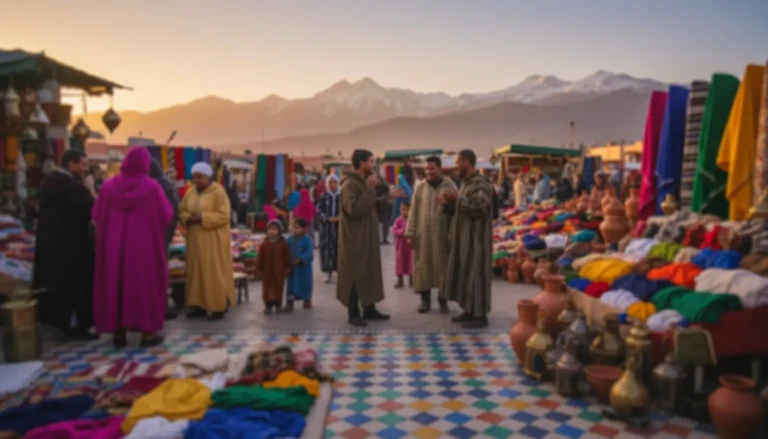
When you explore Moroccan society, you’ll see how Arab heritage shapes its culture and daily life. The Arab influence is woven into many parts of Moroccan identity. It’s a key part of the country’s rich cultural mix.
The Arabic language is central to Moroccan culture. Modern Standard Arabic is used in formal settings, education, and media. But, Moroccan Arabic, or Darija, is spoken daily by most people.
Darija has been shaped by Berber, French, and Spanish, showing Morocco’s diverse heritage. You can hear Darija in Moroccan markets and streets.
Islamic traditions and practices deeply influence Moroccan society. Most Moroccans are Sunni Muslims. Islamic customs are a big part of daily life.
Visiting mosques, joining in festivals, or watching locals’ daily routines shows Morocco’s spiritual side. The call to prayer from minarets reminds everyone of faith’s importance in Moroccan culture.
Many Moroccan historic buildings show Arab architectural influences. You’ll see arches, domes, and geometric patterns. These designs reflect cultural exchange between Morocco and the Arab world.
Places like Marrakech, Fez, and Rabat have ancient medinas and landmarks. They showcase Arab-influenced design. The mix of Arab and Berber traditions creates Morocco’s unique cultural identity.
Exploring Morocco, you’ll see this rich heritage alive and influencing society. It’s a blend that makes Moroccan culture special.
Exploring Morocco’s vibrant culture shows a mix of tradition and modernity. The society is deeply rooted in its heritage but also modern. This blend makes daily life interesting.
Family is central in Moroccan society. Traditional families often have many generations living together. This close family setup shapes social dynamics and daily life.
In cities, you might see more nuclear families, mainly among the young. But family ties are strong everywhere in Morocco.
Moroccans are known for their warm welcome. When you visit a Moroccan home, expect a warm greeting, tea, and sweets. Knowing social etiquette helps you enjoy Moroccan culture more.
Respecting elders and guests is important in Morocco. When talking to locals, be polite and respect their culture.
Morocco has both modern cities and traditional rural areas. Cities like Marrakech and Casablanca are full of life, with markets and modern buildings. The pace of life is fast.
Rural areas, on the other hand, have a traditional lifestyle. Communities focus on farming and local customs. Seeing both sides of Morocco gives you a full picture of its lifestyle and customs.
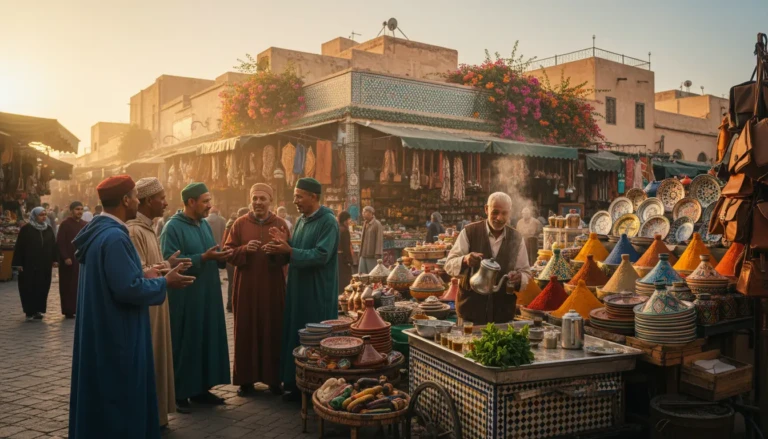
Exploring Moroccan culture reveals a vibrant culinary heritage. It reflects the country’s history and traditions. Moroccan food is a mix of Berber, Arab, and Mediterranean flavors, shaped by its location and cultural exchanges.
The variety in Moroccan food comes from local ingredients, spices, and cooking methods. Food is key in Moroccan life and social customs, from souks to family kitchens.
Moroccan food offers a wide range of dishes and specialties. These reflect the country’s diverse culture. Some iconic dishes include:
Each Moroccan region has its own dishes, based on local ingredients and culture. Coastal areas are known for seafood, while the interior has more meat and vegetable dishes.
Tea is a big part of Moroccan culture, showing hospitality and social bonding. Moroccan tea, or “Atay,” is a strong green tea with mint and sugar. It’s served in ornate teapots and small glasses, with sweet pastries.
Social dining is important in Morocco, where meals bring people together. Food is central in family gatherings and festive occasions.
In Morocco, food is more than just food. It’s a way to express culture, history, and values. Preparing and sharing meals shows hospitality, generosity, and community.
Moroccan cuisine tells the story of its cultural heritage, from Berber roots to Arab and Mediterranean influences. Experiencing Moroccan food helps understand the country’s rich culture.
Exploring Morocco reveals a vibrant cultural scene. Its festivals and celebrations are key to Moroccan life. They show the country’s rich heritage and diversity.
Moroccan festivals and celebrations are deeply rooted in history and traditions. They offer a chance to experience local culture, meet people, and understand community values.
Morocco is an Islamic country. Many festivals and celebrations are centered around religious holidays. Eid al-Fitr, marking the end of Ramadan, is a significant event. Families come together to share meals and exchange gifts.
Eid al-Adha commemorates the Prophet Ibrahim’s willingness to sacrifice his son. It’s marked with prayers, feasting, and giving meat to those in need.
The Berber community in Morocco has a rich cultural heritage. Their festivals are a big part of the country’s culture. The Imilchil Wedding Festival is a notable event.
This festival is unique. It combines music, dance, and traditional Berber weddings. It’s a chance for visitors to experience Berber culture and traditions.
Morocco also celebrates various national events and cultural festivals. The Throne Day is a significant national celebration. It commemorates the current monarch’s accession.
Other cultural events include the Marrakech International Film Festival and the Fez Festival of World Sacred Music. These events showcase Morocco’s cultural diversity and global connections.
To understand Moroccan festivals and celebrations better, here’s a summary of some key events:
| Event | Description | Date |
|---|---|---|
| Eid al-Fitr | Marks the end of Ramadan | Variable, based on Islamic calendar |
| Imilchil Wedding Festival | Celebrates Berber culture and traditions | September |
| Throne Day | Commemorates the accession of the current monarch | July 30th |
Moroccan people show their vibrant culture in everyday life and celebrations. Their rich culture is kept alive through different ways. This ensures their heritage stays strong in today’s world.
Keeping indigenous languages alive is key for Moroccan people’s cultural identity. Berber languages, or Amazigh, are a big part of their heritage. Efforts to save these languages include:
Keeping these languages alive helps keep cultural diversity strong. It also connects people to their past.
Traditional clothing is a big part of Moroccan culture. It shows the country’s history and ethnic diversity. The djellaba and kaftan are worn on special days. Modern fashion in Morocco mixes old and new styles, creating something unique.
| Aspect | Traditional Clothing | Modern Fashion |
|---|---|---|
| Design | Intricate patterns, often handmade | Incorporates traditional patterns with modern twists |
| Occasion | Worn on special occasions and religious events | Worn in daily life, with traditional attire reserved for special events |
| Influence | Reflects historical and cultural influences | Blends traditional elements with global fashion trends |
Moroccan people aim to mix tradition with modernity in their lives. This mix is seen in their cultural practices, lifestyle, and daily customs. By embracing new things while keeping old values, Moroccans keep a unique identity. This identity is both connected to their history and open to the future.
It’s important to know where Morocco fits in North Africa to truly understand its culture. Morocco is a key part of the Maghreb region. It shares history, culture, and geography with its neighbors.
Morocco is a major cultural and economic center in the Maghreb region. This region includes countries like Algeria, Tunisia, Libya, and Mauritania. It’s known for its diverse cultures, languages, and histories.
The Maghreb has always been a place of cultural exchange. This exchange has shaped the identity of its countries. Key aspects include:
The North African region is a mix of cultures. Different ethnic groups have made it rich and diverse. Cross-cultural connections have been built through:
These connections have created a diverse cultural scene. For example, Berber communities across North Africa share traditions, despite their distance.
Today, Moroccan identity is a mix of old and new. It’s shaped by history, culture, and global interactions. Key factors include:
As Morocco grows, its culture stays deeply connected to North Africa. This shows the region’s rich diversity and cultural exchange.
Exploring Moroccan heritage has given you a deeper look into the Moroccan people and their culture. You’ve seen how Berber traditions, Arab influences, and modern life blend together. This mix creates a unique cultural scene.
You now understand the importance of social dynamics and preserving languages. You see how traditional practices are part of today’s Moroccan society. Moroccan culture shows the strength of diversity and resilience.
The Moroccan people continue to grow and adapt in a changing world. Reflecting on their identity, you see a people deeply connected to their traditions. Yet, they are also open to the modern world.
Feel free to contact us via email, phone, or WhatsApp chat.
Discover the wonders of Marrakech Museum and immerse yourself in the vibrant history
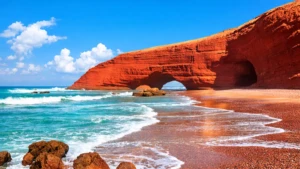
Discover the stunning Legzira Beach in Morocco – a must-visit destination with towering
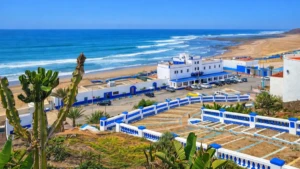
Explore the best things to do in Sidi Ifni, from beaches and views
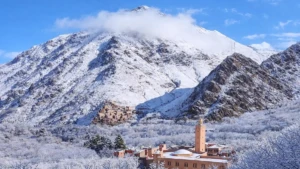
Discover the top things to do in Imlil, Morocco, from hiking the Atlas
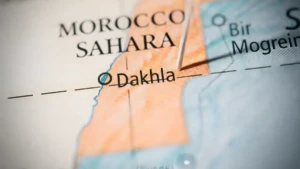
Discover the top things to do in Dakhla, Morocco—your ultimate guide to this
Plan your perfect trip to Al Hoceima, Morocco. Our how-to guide reveals the
Your guide to the best things to do in Saidia, Morocco. Discover the