

Discover the Wonders of Marrakech Museum
Did you know a Moroccan palace can hold over a thousand years of
Did you know Moroccan cuisine is a mix of Arab, Mediterranean, and African flavors? This blend has created dishes that food lovers all over the world adore.
Moroccan food is known for its aromatic spices, fresh herbs, and preserved ingredients. These elements create unique tastes that are both exotic and welcoming. Exploring traditional Moroccan recipes, you’ll learn about the cultural importance of dishes like Tagine and Couscous.
Moroccan cuisine offers a variety of flavors, from slow-cooked stews in Tagine to the fluffy Couscous. Whether you’re a seasoned foodie or just starting out, you’ll find inspiration to make these dishes at home.
Moroccan food is a mix of African, Arab, and Mediterranean flavors. It’s shaped by its location and the cultures that have influenced it. This makes Moroccan cuisine truly unique.
Moroccan cuisine shows the country’s rich history. It has been influenced by the Berber people, Arabs, Moors, and Europeans. This mix of cultures has made Moroccan food special.
The use of spices and herbs in Moroccan food is a big clue to its history. Cumin, coriander, and cinnamon come from Arab traditions. Olives and preserved lemons show the Mediterranean diet’s impact.
| Historical Influence | Culinary Contribution |
|---|---|
| Indigenous Berber People | Use of local ingredients like olives and almonds |
| Arab Influence | Introduction of spices like cumin and coriander |
| Mediterranean Diet | Use of preserved lemons and olives |
Dining in Morocco is more than just eating. It’s a way to connect with others and show hospitality. Meals are seen as chances to strengthen bonds and welcome guests.
The way Moroccans cook and share meals shows the culture’s importance. The tagine, for example, is a dish that brings people together. It’s about slow-cooked food and eating together.
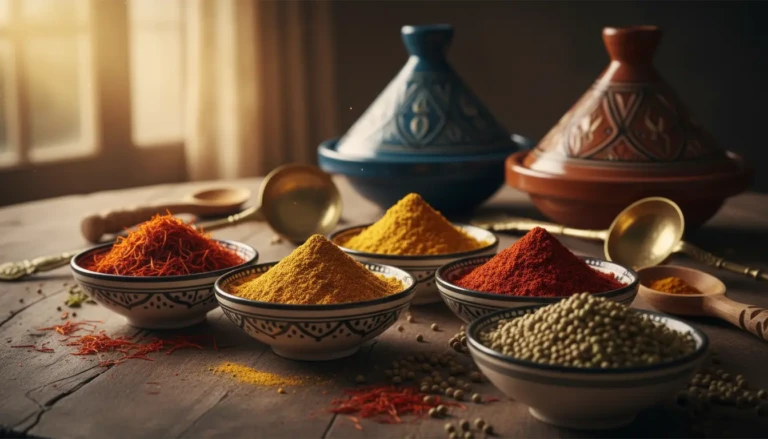
Moroccan cooking is all about the mix of aromatic spices, fresh herbs, and preserved ingredients. These elements blend to create the rich flavors that make Moroccan cuisine special.
Moroccan spice blends are key to the cuisine, with Ras el Hanout being the most famous. This blend, meaning “head of the shop,” uses the finest spices available.
To make your own Ras el Hanout, mix spices like cumin, coriander, cinnamon, and turmeric. You can adjust the amounts to your liking.
Fresh herbs like parsley, cilantro, and mint are used a lot in Moroccan cooking. They add freshness and depth to dishes. Onions, garlic, and ginger are also used a lot, as they form the base of many recipes.
Preserved lemons and olives are big in Moroccan cuisine. They add a salty, tangy flavor to dishes like Tagine. Preserved lemons are made by salting and preserving lemons in a brine.
To preserve lemons, slice them thinly and layer them in a jar with salt. Seal the jar and let it sit for a few weeks. This allows the lemons to ferment.
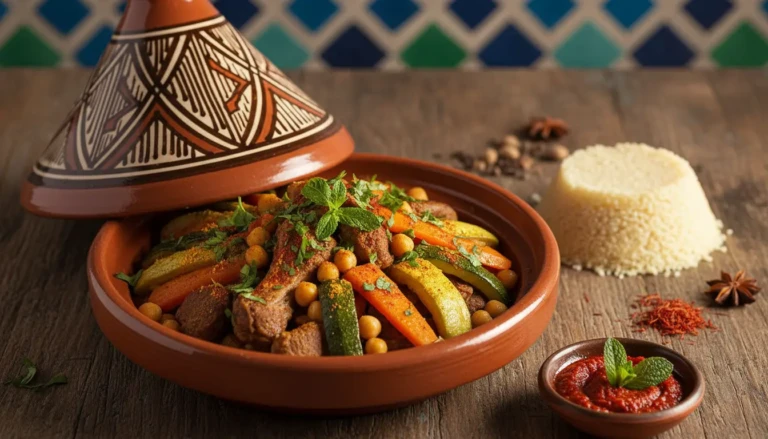
The Moroccan Tagine is more than a dish; it’s an experience. It combines rich flavors, aromas, and cultural heritage. This slow-cooked stew is named after the earthenware pot it’s cooked in. Mastering it is a journey into Moroccan cuisine’s heart.
The Tagine’s unique cooking vessel is a clay pot with a conical lid. This design allows steam to condense and return to the dish. This makes the food tender and flavorful. The pot is not just functional; it’s also a piece of Moroccan craftsmanship.
Moroccan cuisine has a wide range of Tagine recipes. Each has its own unique flavor. Two favorites are Chicken Tagine with Preserved Lemon and Olives, and Lamb Tagine with Prunes and Almonds.
This recipe combines the tanginess of preserved lemons with the brininess of olives. It creates a rich and complex flavor. The chicken becomes tender and absorbs all the aromatic spices.
Lamb Tagine with Prunes and Almonds is sweet and savory. It’s perfect for special occasions. The lamb is slow-cooked to perfection. Prunes add sweetness, and almonds provide a satisfying crunch.
Cooking your first Tagine might seem daunting. But with a simple guide, you can make an authentic Moroccan dish. Start by browning your protein (chicken or lamb) in the Tagine pot. Then add your aromatics, spices, and other ingredients.
Cover the pot and let it simmer on low heat. This allows the flavors to meld together. Serve over couscous for a complete meal.
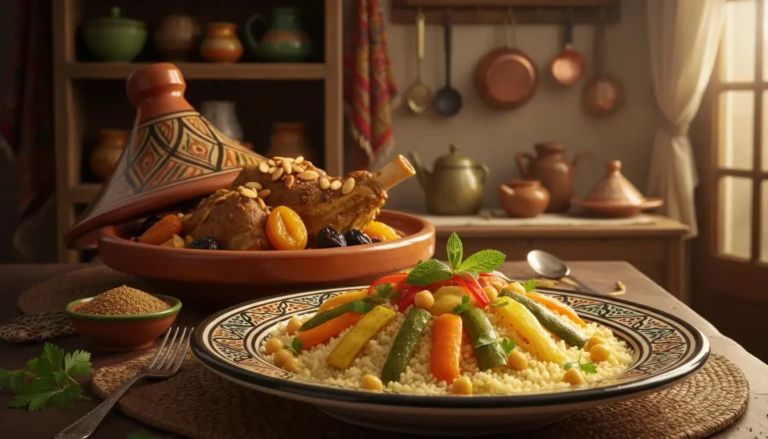
Couscous is a key part of Moroccan food, needing a gentle touch to get it just right. It’s a dish that families have perfected over time. To make great couscous, you must know both old and new ways.
Traditional couscous making steams it several times for the perfect texture. Quick methods make it faster but might not be as good. Steaming it the old way can take an hour, but it’s worth it.
To steam couscous like a pro, you need a couscousier or steamer. Here’s how:
This way, your couscous will be soft and fluffy.
Every part of Morocco has its own couscous style. In the north, it’s with veggies and meat. In the south, it’s with dried fruits and nuts.
| Region | Couscous Variation | Typical Ingredients |
|---|---|---|
| North | Vegetable and Meat Couscous | Carrots, zucchini, lamb |
| South | Fruit and Nut Couscous | Dried apricots, almonds, honey |
| East | Spicy Couscous | Chili peppers, cumin, coriander |
Couscous goes well with many dishes. Try it with rich stews, grilled meats, or vegetable tagines.
Learning about different ways and regional tastes can make your couscous better. Enjoy this Moroccan favorite to the fullest.
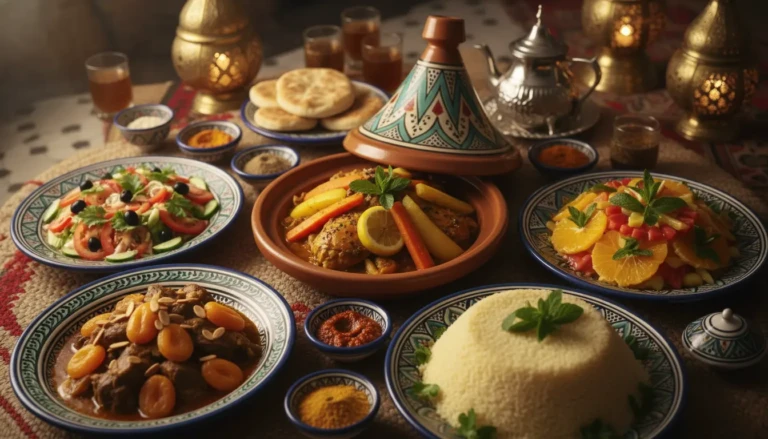
Explore the rich flavors of Morocco through its diverse main dishes. From savory pies to hearty soups, there’s more than just Tagine. The country’s culinary world is full of variety and depth.
Pastilla, also known as Bastilla, is a traditional Moroccan pie. It combines sweet and savory flavors perfectly. Layers of flaky pastry, meat, onions, and spices make it a favorite dish.
To make Pastilla at home, start with the filling. Sauté onions, meat (like chicken), and spices. Then, layer the filling with phyllo dough, finishing with a sweet topping of powdered sugar and cinnamon.
Harira is a traditional Moroccan soup. It’s made with tomatoes, lentils, chickpeas, and spices. This comforting dish is often served during Ramadan, showing its cultural importance.
Mechoui is a slow-roasted lamb dish, a highlight of Moroccan celebrations. Other festive dishes include chicken or lamb with preserved lemons and olives. These dishes showcase the rich flavors and traditions of Moroccan cuisine.
These dishes add to the rich tapestry of Moroccan cuisine. They offer a variety of flavors and textures. By trying these traditional recipes, you can experience the depth and diversity of Moroccan culinary traditions.
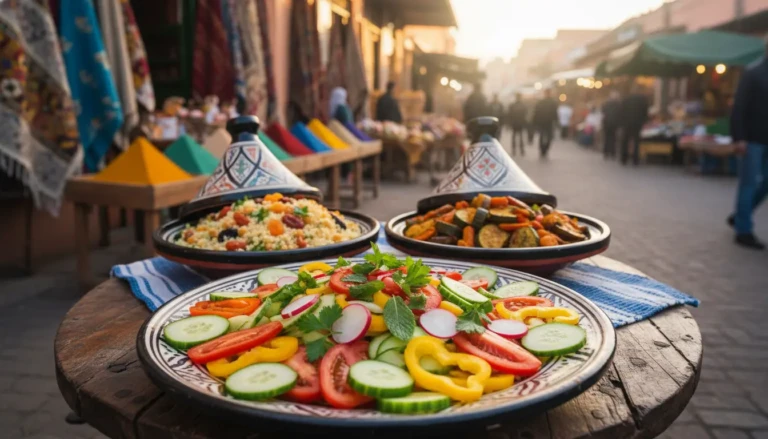
Exploring Morocco’s streets reveals a world of tasty small plates. These dishes reflect the country’s rich culture. They are influenced by different ethnic groups and regions.
Moroccan bread is a key part of every meal. Khobz is a round bread often served with meals. Msemen, a folded square flatbread, is both crispy and soft.
Zaalouk is a favorite eggplant salad. It’s made with eggplants, tomatoes, garlic, and spices. Carrot salad with cumin and orange is also popular.
Street food in Morocco includes grilled meats, fried fish, and savory pastries like b’stilla. Don’t miss the sweet treats like chebakia and makroud.
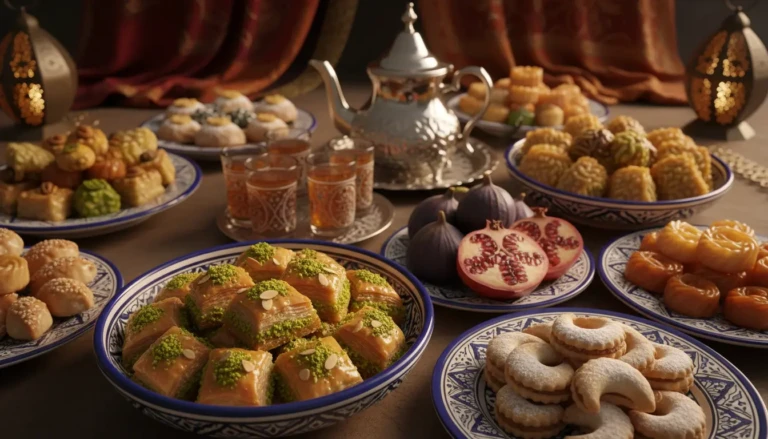
Explore the sweet side of Moroccan desserts, where tradition and flavor come together. Moroccan sweets are known for their rich flavors, blending sweet and savory. These treats are a big part of Moroccan hospitality and celebrations.
Moroccan pastries are a treat, with Chebakia and Kaab el Ghazal being favorites. Chebakia are deep-fried cookies soaked in honey and sprinkled with sesame seeds. They’re enjoyed during special times. Kaab el Ghazal, or “gazelle horns,” are filled with almond paste and topped with powdered sugar.
Moroccan fruit desserts are refreshing and full of flavor. They often use seasonal fruits like oranges, dates, and prunes. These desserts are lightly sweetened and may have a sprinkle of cinnamon or spices.
| Dessert | Main Ingredients | Occasion |
|---|---|---|
| Chebakia | Honey, Sesame Seeds, Flour | Special Occasions |
| Kaab el Ghazal | Almond Paste, Powdered Sugar, Pastry Dough | Weddings, Celebrations |
| Fruit Salad | Seasonal Fruits, Cinnamon, Sugar | Daily Dessert |
Mint Tea is a must-mention when talking about Moroccan desserts. It’s a key part of Moroccan hospitality and enjoyed all day long.
Making and serving Mint Tea is an art in Morocco. The tea is made with green tea, fresh mint, and sugar. It’s poured from high up to create a frothy top. This tradition is a big part of Moroccan culture, enjoyed at social gatherings and special events.
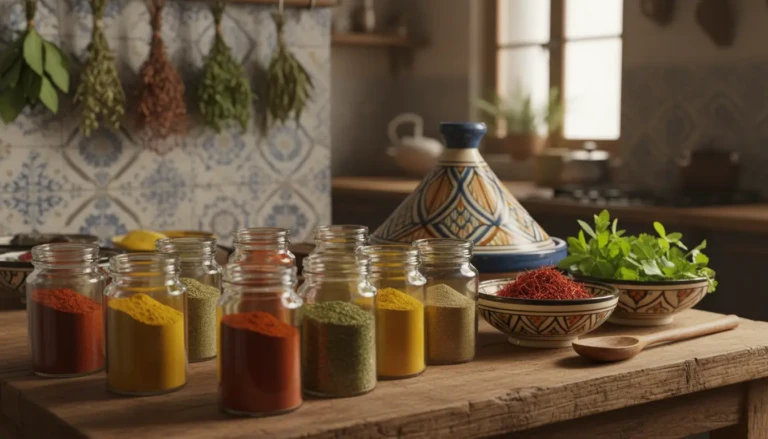
Moroccan cooking begins with the basics. You need the right cookware, tools, and ingredients. To make authentic Moroccan dishes, your kitchen needs a few key items.
Moroccan cooking often involves slow cooking and stewing. This requires specific cookware. A traditional Tagine pot is essential for cooking the iconic Moroccan dish. But, if you don’t have one, there are alternatives.
If you don’t have a Tagine pot, use a slow cooker or a heavy-bottomed pot with a lid. These can help you get similar results to a traditional Tagine.
To get authentic Moroccan flavors, stock your pantry with the right spices and ingredients. Some key pantry staples include:
Here’s a quick reference table for the essential pantry staples and their uses:
| Ingredient | Use in Moroccan Cooking |
|---|---|
| Ras el hanout | Spice blend used in Tagines and couscous |
| Preserved Lemons | Adds salty, tangy flavor to dishes |
| Olives | Used in various dishes, including Tagines and salads |
With the right cookware, tools, and pantry staples, you’re ready to make delicious Moroccan dishes.
You’ve learned about Morocco’s rich food history and how to make famous dishes like Tagine and Couscous. You’ve also found out the key ingredients and mastered traditional recipes. Now, you know how to impress your loved ones with Moroccan meals.
Keep exploring Moroccan cuisine by trying new recipes and ingredients. Mix Couscous with various stews or add preserved lemons for extra flavor. Moroccan cooking is full of surprises, and there’s always something new to try.
Now, you’re ready to cook Moroccan dishes in your kitchen. Whether it’s a hearty Harira soup or a sweet Chebakia pastry, Moroccan flavors will bring joy to your cooking. So, start cooking and enjoy the taste of Morocco in your home.
Moroccan cuisine is known for its rich flavors. It’s influenced by Arab, Mediterranean, and African cultures. It uses aromatic spices, fresh herbs, and preserved ingredients.
A Tagine is a traditional Moroccan stew. It’s named after the earthenware pot it’s cooked in. To cook it, layer ingredients in the pot and cook slowly over low heat.
Couscous is a staple in Moroccan cuisine. It’s made from crushed durum wheat semolina. To prepare it, steam it over boiling water or broth, fluffing it with a fork.
Essential ingredients include Ras el Hanout spice blend and fresh herbs like parsley and cilantro. Preserved lemons, olives, olive oil, garlic, and ginger are also key.
Feel free to contact us via email, phone, or WhatsApp chat.
Did you know a Moroccan palace can hold over a thousand years of

Discover the stunning Legzira Beach in Morocco – a must-visit destination with towering

Explore the best things to do in Sidi Ifni, from beaches and views

Discover the top things to do in Imlil, Morocco, from hiking the Atlas
Discover the top things to do in Dakhla, Morocco—your ultimate guide to this

Plan your perfect trip to Al Hoceima, Morocco. Our how-to guide reveals the

Your guide to the best things to do in Saidia, Morocco. Discover the