Things to Do in Sidi Ifni, Morocco
Explore the best things to do in Sidi Ifni, from beaches and views

Imagine stepping from a dusty, sun-drenched Marrakech street into a tranquil, tiled room. The air is thick with warm steam and the earthy scent of argan oil. This is your first moment inside a traditional bathhouse, a cornerstone of local life.
This ritual, deeply rooted in ancient Roman traditions, offers far more than simple cleansing. It’s a social and spiritual custom, a weekly gathering for families and friends. For centuries, these spaces have served as places for both physical purification and community connection.
Today, visitors can choose between two primary settings. Public bathhouses provide an authentic glimpse into daily Moroccan culture. Alternatively, private spa-style venues offer a more personalized and luxurious treatment.
The process itself is transformative. It involves steaming, a special black soap application, and a vigorous exfoliation that leaves skin incredibly soft. Morocco Linetours expertly guides travelers through this unforgettable experience, ensuring comfort and authenticity.
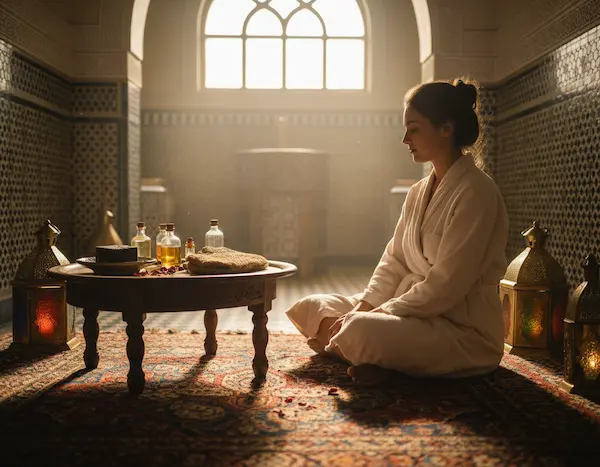
Centuries before modern spas existed, Romans introduced communal bathing to Morocco. Their sophisticated bathhouses emphasized both hygiene and social connection. This foundation evolved into the distinctive steam rooms we know today.
The oldest known hammam ruins in Morocco date to the late 8th century. By the 10th century, these structures became essential to medina life. They stood alongside mosques, markets, and schools as community pillars.
Strategic placement near mosques served a spiritual purpose. These baths provided space for Islamic purification rituals before prayers. Both partial (wudu) and full-body (ghusl) cleansing could be properly performed.
Weekly visits to these steam baths represent much more than cleanliness. Men and women attend at separate times to maintain modesty. This weekly ritual strengthens family bonds and community ties.
For local women especially, these gatherings serve as social hubs. They catch up on life while participating in the cleansing process. The experience represents symbolic renewal—scrubbing away dead skin and weekly burdens.
Understanding this background reveals the deep meaning behind the tradition. You’re not just visiting a spa but participating in living history.
Choosing your bath experience in Morocco presents a fundamental decision between cultural immersion and private luxury. This choice defines your entire hammam experience.
You can dive into the authentic local culture or enjoy a pampered spa treatment. Both paths offer unique rewards.
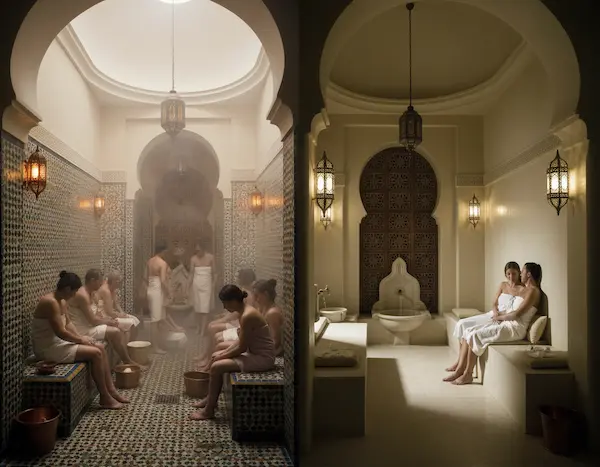
Public bathhouses are the heart of community life. Entry costs a mere $1-2, making them accessible to all local people.
You must bring your own supplies: a kese glove, black soap, towel, and modest swimwear. The space is segregated by gender, with separate times for women and men.
This environment fosters a genuine social atmosphere. You might even exchange scrubbing services with friendly locals.
In contrast, private facilities cater to tourists seeking comfort. They provide everything for you, from soap to towels.
The cost is significantly higher, often $70-80 per person. This price buys privacy, convenience, and personalized attention from professional attendants.
The core difference lies in the atmosphere. A public visit is a vibrant, communal event. It’s a window into daily life where the ritual is shared.
Private hammams create a serene, spa-like experience. They remove any intimidation factor for first-time visitors.
Couples and mixed groups can steam together in these intimate spaces. You receive guided, one-on-one care throughout the process.
Your choice depends on your goals. Seek deep cultural connection or relaxed pampering? Both provide an unforgettable hammam experience.
Your comfort during this traditional cleansing ritual depends heavily on advance planning. Knowing what supplies to gather and how to dress eliminates potential stress.
Public facilities require you to bring your own equipment. Essential items include an exfoliating glove, traditional black soap, shower shoes, and a towel.
Private venues provide everything for you. They supply the soap, mitt, plush towels, and even disposable undergarments.
The dress code involves minimal coverage for maximum cleansing. You’ll wear just underwear or a provided paper garment during the treatment.
Many newcomers feel anxious about the intimate scrubbing process. Remember that attendants approach their work with professional detachment.
The experience feels clinical rather than personal, similar to a medical examination. This respectful approach focuses entirely on the cleansing benefits.
Plan your time accordingly. Basic sessions take about 30-45 minutes, while full spa packages can last over two hours.
Private facilities secure your belongings in locked cabinets. You’ll receive a wristlet key for peace of mind during your treatment.
Embrace the initial strangeness knowing the results are transformative. The vigorous scrubbing removes dead skin, leaving you feeling incredibly renewed.
Your journey through this ancient cleansing tradition unfolds in a precise sequence of rejuvenating steps. Each phase prepares your body for the next, culminating in a profound sense of renewal.
The entire treatment is a carefully timed ritual designed for maximum effect on your skin.
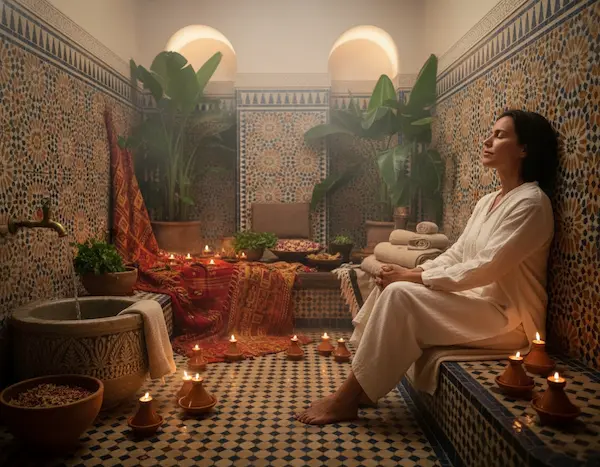
You begin by relaxing on a warm marble slab. Steam fills the room for 10 to 20 minutes, softening your skin and opening pores.
An attendant then applies a thick layer of Moroccan black soap over your entire body. This special soap, rich with argan oil and olive oil, deeply conditions the skin.
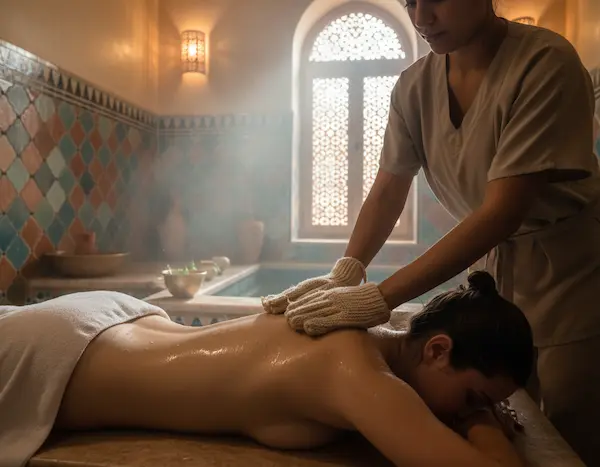
After another rest period, the main event starts. The attendant uses a rough kese glove to scrub every inch of your body. This vigorous exfoliation removes impressive amounts of dead skin.
Hot water is poured over you throughout the scrubbing process. It rinses away the debris and keeps you comfortable.
Following the scrub, a ghassoul clay mask is often applied. This mineral-rich treatment purifies your face, hair, and body.
A final rinse washes away the clay, leaving your skin incredibly smooth. Many sessions conclude with a soothing massage using fragrant oils.
Skilled hands work out muscle tension while nourishing your new skin. The experience can last from 25 minutes to over two hours.
Natural elements from Morocco’s landscape provide the foundation for this transformative wellness experience. The remarkable benefits extend far beyond your session, leaving you refreshed for days.
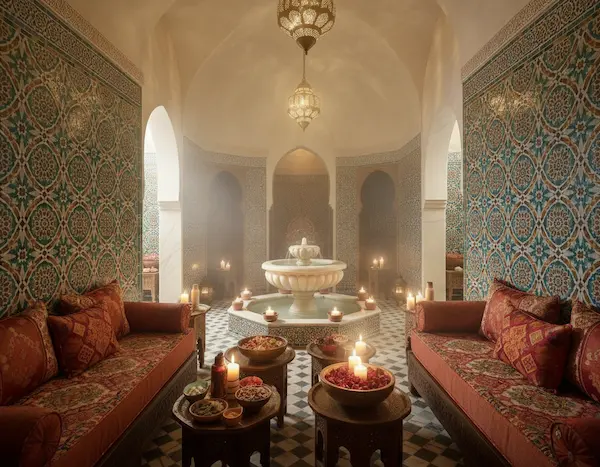
Your skin receives exceptional care from time-honored ingredients. Moroccan black soap, made with olive oil and argan oil husks, gently cleanses while preparing your body for exfoliation.
These natural oils deliver intense moisture that penetrates deep into your skin. The ghassoul clay treatment applied to your face and body draws out impurities, leaving your skin incredibly smooth.
After your main treatment, extended treatments like hour-long massage sessions enhance relaxation. This part of the experience allows your body to fully absorb the nourishing oils.
You’ll spend 10-20 minutes in a relaxation space sipping mint tea. This time helps consolidate the benefits, leaving your skin glowing and your entire being renewed.
Many visitors report visible improvements for days. Your face and skin maintain their radiance while you enjoy better sleep and reduced stress.
Many travelers discover that their hammam visit becomes the most memorable part of their Moroccan adventure. This ancient ritual offers profound benefits that modern showers cannot match.
Your skin feels renewed for days after the thorough exfoliation treatment. The experience cleanses more than just your body it connects you to centuries of tradition.
Local people maintain this custom each week for both social bonding and wellness. Don’t let initial nerves prevent you from trying this transformative bath experience.
It’s a full-body ritual focused on deep cleansing. You use special black soap and a kese glove to exfoliate dead skin. It’s more intense and purifying than a simple shower or sauna session.
Expect a multi-step process. You’ll relax in a steam room, apply Moroccan black soap, and then get a vigorous scrub. A final rinse and often a massage with argan or olive oil complete the experience.
Yes, traditionally they are separate. Public baths often have different days or times for each. Private spas usually offer individual sessions or separate spaces for your comfort.
The treatment removes dead skin, improves circulation, and deeply cleanses pores. Using natural products like black soap and argan oil leaves your skin incredibly soft, smooth, and hydrated.
Feel free to contact us via email, phone, or WhatsApp chat.
Explore the best things to do in Sidi Ifni, from beaches and views
Discover the top things to do in Imlil, Morocco, from hiking the Atlas
Discover the top things to do in Dakhla, Morocco—your ultimate guide to this
Plan your perfect trip to Al Hoceima, Morocco. Our how-to guide reveals the
Your guide to the best things to do in Saidia, Morocco. Discover the

Uncover the must-see attractions and activities in Nador, Morocco. Our guide to the
Discover the top things to do in Safi, Morocco, and make the most