Moroccan Pottery
Explore the rich history and techniques of Moroccan pottery, and find out how

Did you know that over 70% of first-time visitors to Morocco list “figuring out appropriate attire” as their top travel anxiety? Navigating a new culture’s dress expectations can feel daunting. But your journey through this magnificent country should be about adventure, not wardrobe stress.
Morocco is a wonderfully welcoming and fairly liberal Muslim nation. There is no official, strict dress code enforced by law. However, understanding and respecting local traditions is key to a deeper, more positive experience. This is especially true when you venture into smaller towns and rural areas, where customs are more conservative.
Social dynamics have evolved. In recent years, choosing modest clothing can significantly enhance your comfort by minimizing unwanted attention. This guide is your trusted resource. We provide clear, practical advice for every season and region.
You will learn how to blend personal style with cultural sensitivity. We cover everything from breathable fabrics for summer heat to smart layering for chilly desert nights. Our goal is to help you pack confidently, leaving room for those unique souvenirs you will find.
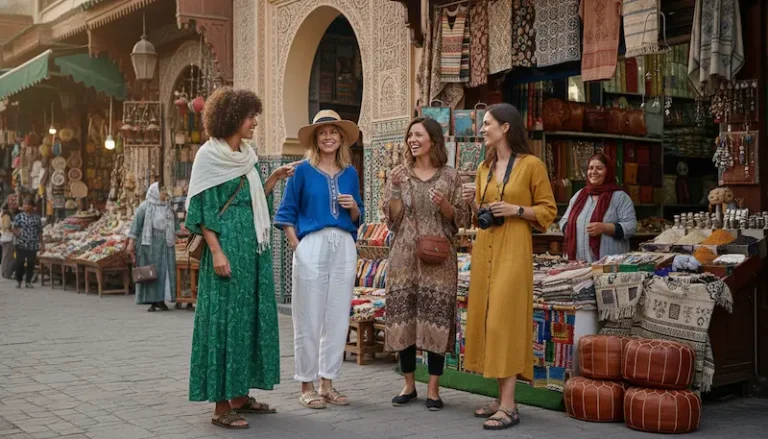
Understanding local customs around appearance can transform your travel experience from tourist to respectful visitor. This North African nation blends tradition with modernity in fascinating ways.
Morocco’s culture values modesty, though expectations vary significantly. In cosmopolitan cities like Marrakech, you’ll see diverse expressions of personal style. Rural areas maintain more conservative traditions.
The key to respectful dressing involves covering shoulders, knees, and chest area. This approach shows appreciation for local values. It also helps you avoid unwanted attention during explorations.
You’ll notice Moroccan men often wear clean, classic casual wear. Many combine Western items like polo shirts with traditional pieces. This creates a comfortable standard for male travelers.
Local women express themselves through various clothing choices. Some prefer traditional robes while others select modern Western attire. Both approaches receive respect in urban settings.
Traditional garments like djellabas remain actively worn today. These items offer authentic ways to embrace local style during your visit.
Successfully navigating Morocco’s varied landscapes starts with strategic packing that accounts for temperature extremes. Your daily adventures will be more enjoyable when your clothing handles both cultural expectations and climate challenges.
The country’s diverse geography creates significant weather variations. Coastal breezes contrast with desert heat and mountain chill.
Each season brings distinct conditions that influence your wardrobe choices. Planning for these changes ensures comfort throughout your journey.
| Season | Daytime Temperatures | Recommended Fabrics | Key Items |
|---|---|---|---|
| Spring | 55°F – 90°F | Light cotton, linen blends | Light layers, scarf |
| Summer | 75°F – 115°F | Linen, breathable cotton | Sun hat, light colors |
| Fall | 60°F – 90°F | Merino wool, cotton | Versatile layers |
| Winter | 40°F – 65°F | Wool blends, thermal | Warm jacket, layers |
Natural materials like linen and cotton help regulate body temperature. They allow air circulation while absorbing moisture.
Light-colored clothing reflects the intense sun better than dark shades. This simple choice helps you stay cool during long exploration days.
Breathable fabrics are essential for handling the dry heat. They provide comfort without sacrificing modesty or style.
Versatile pieces that mix and match create multiple outfits. This approach saves luggage space for souvenirs from local markets.
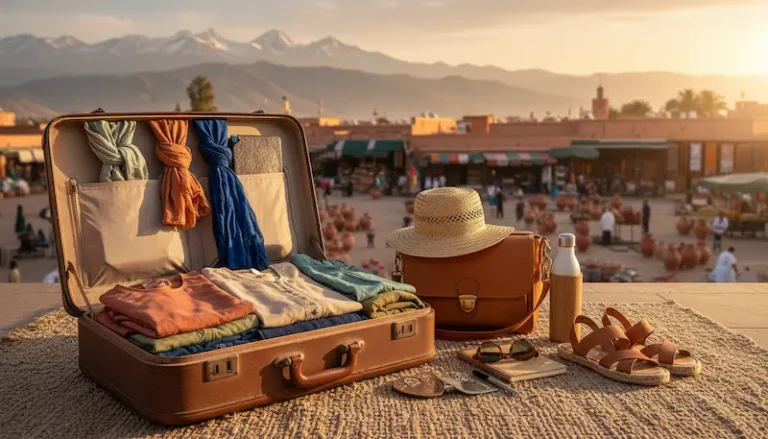
Mastering the art of versatile packing ensures you’re prepared for everything from desert heat to mountain chill. Your suitcase strategy directly impacts daily comfort during exploration.
Strategic layering is your key to handling dramatic temperature shifts. Start with breathable base layers like cotton or merino wool.
Add mid-layers such as hoodies or cardigans for cooler moments. A weather-resistant jacket completes your system for unexpected conditions.
This approach works perfectly for days that start warm but turn chilly by evening. Desert regions can experience 40-degree drops after sunset.
Accessories significantly enhance your travel experience. A lightweight scarf serves multiple purposes throughout your trip.
It provides sun protection during hot days, modesty coverage when needed, and evening warmth when temperatures drop. Quality sunglasses are essential year-round.
Don’t forget a secure crossbody bag for market visits and a wide-brimmed hat for summer exploration. These items complete your practical packing list.
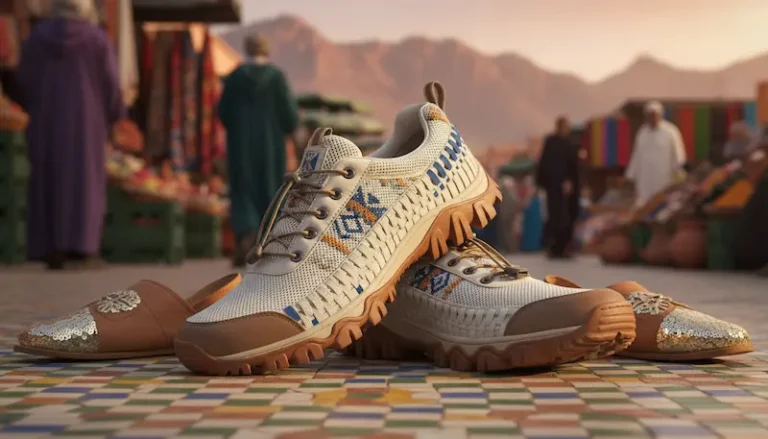
The right pair of shoes can transform your Moroccan adventure from exhausting to exhilarating. You’ll spend hours exploring ancient medinas and rugged landscapes.
Comfortable footwear makes all the difference when navigating uneven cobblestone streets. Your choices should balance protection with breathability.
Invest in quality walking shoes with good arch support. They’ll save your feet during long days exploring markets and historical sites.
Closed-toe sandals offer perfect warm-weather versatility. They protect your toes from dust while allowing air circulation.
| Activity | Recommended Footwear | Key Features |
|---|---|---|
| City Exploration | Supportive walking shoes | Arch support, cushioning |
| Warm Weather | Closed-toe sandals | Breathable, protective |
| Beach & Pool | Flip-flops | Lightweight, quick-dry |
| Mountain Hiking | Trail shoes or boots | Traction, ankle support |
| Winter Travel | Waterproof boots | Warmth, water resistance |
For serious hiking adventures, lightweight trail shoes provide necessary traction. They handle mountain paths and desert terrain comfortably.
Consider local craftsmanship when selecting your footwear. Moroccan artisans create beautiful leather shoes and traditional babouches.
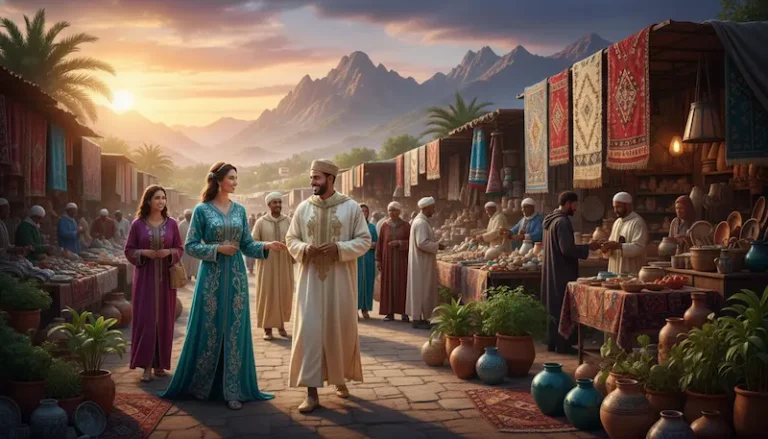
From bustling urban centers to remote rural villages, your wardrobe should reflect local customs. Morocco’s geography creates dramatic variations in both climate and cultural expectations.
You’ll notice significant differences between major cities and countryside areas. In cosmopolitan centers like Marrakech, diverse styles blend traditional and modern fashion.
Rural regions maintain more conservative values. Pants and longer shorts help you blend in better when visiting villages.
Coastal areas offer relaxed dress codes with moderate temperatures. Ocean breezes keep summer days comfortable around 75-85°F.
Desert travel requires planning for extreme temperature swings. Daytime heat can exceed 110°F, while night brings surprising chill.
Mountain destinations demand warmer layers year-round. The Atlas ranges see snow in winter, requiring proper jackets and boots.
Understanding these regional variations ensures appropriate choices for every adventure. Your comfort and cultural respect will enhance each experience.
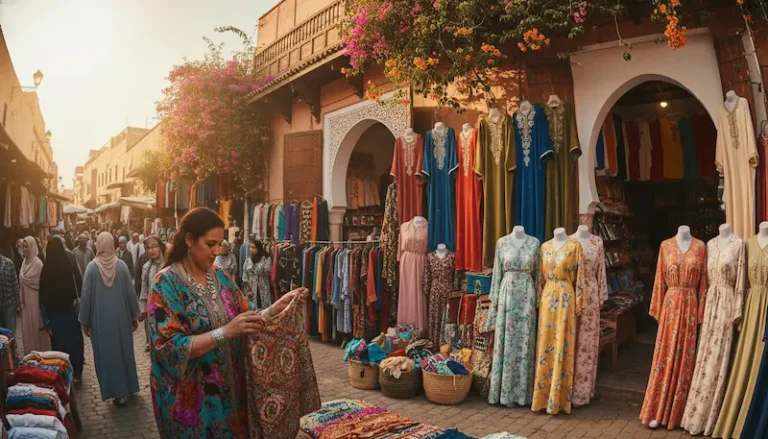
Creating a stylish and respectful wardrobe for your journey involves smart choices that blend fashion with cultural awareness. For women travelers, this means finding pieces that offer both comfort and appropriate coverage.
The key guidelines focus on covering shoulders, knees, and chest areas. Showing elbows is generally acceptable throughout your travels.
Seasonal changes require different approaches to your outfits. Flowy maxi dresses become essential during warmer months. They provide sun protection while maintaining modesty.
Layering offers flexibility for changing conditions and locations. Start with basic tank tops or sleeveless pieces. Add lightweight tunics or shirt dresses for coverage.
| Season | Recommended Dresses | Top Styles | Bottom Combinations |
|---|---|---|---|
| Spring/Summer | Maxi, wrap, button-down | Linen tops, peasant blouses | Wide-leg pants, flowy skirts |
| Fall/Winter | Sweater dresses, long-sleeved | Wool blends, thermal tops | Leggings with tunics, midi skirts |
Keep a scarf handy for quick adjustments when needed. This simple accessory can provide extra shoulder coverage instantly.
Choose pieces that transition easily from day to evening. A solid-color dress works for both cafe visits and nice dinners. Your outfits should reflect personal style while respecting local customs.
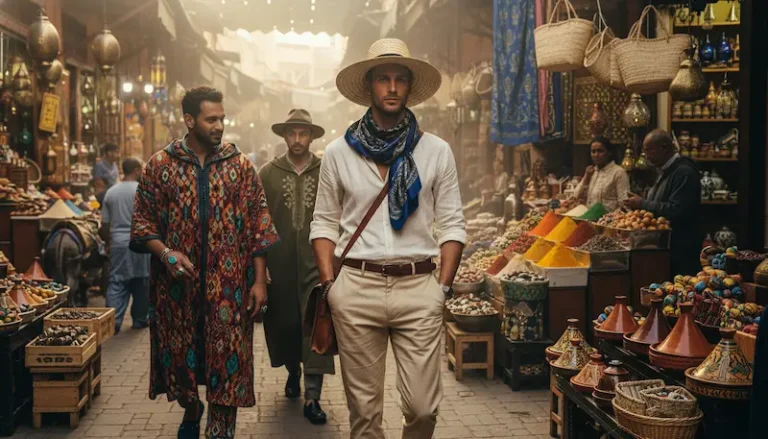
Men planning their Moroccan adventure can relax about clothing choices while still packing thoughtfully. Cultural expectations for male visitors are generally more relaxed, allowing for personal style within practical boundaries.
Your goal is to select classic, well-fitted pieces that show respect while keeping you comfortable. This approach helps you blend in seamlessly across different regions.
A versatile uniform of comfortable chinos or travel pants paired with breathable shirts works almost everywhere. This combination transitions smoothly from city exploration to casual dinners.
Lightweight shirts in linen or cotton are ideal for warm weather. They keep you cool while maintaining a polished look. Neutral colors are both practical and stylish.
| Season | Top Choices | Bottom Choices | Key Considerations |
|---|---|---|---|
| Spring/Summer | Polo shirts, performance tees | Mid-thigh shorts, linen pants | Breathable fabrics, sun protection |
| Fall/Winter | Merino wool shirts, sweaters | Travel pants, insulated trousers | Layering for temperature drops |
Shorts are perfectly acceptable in major cities and coastal areas. Choose knee-length styles over very short athletic shorts. In rural villages or religious sites, switching to pants shows greater cultural awareness.
Well-fitted jeans with a clean shirt work well in urban settings. For colder months, pack long-sleeve layers and a proper jacket. A lightweight djellaba purchased locally can be a comfortable, culturally appreciative addition to your wardrobe.
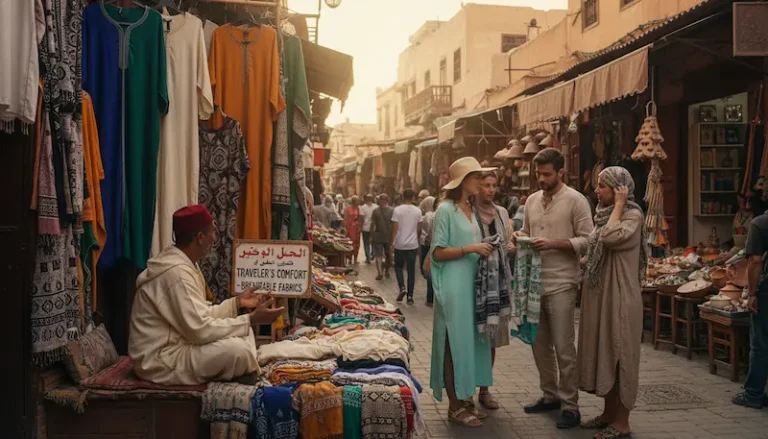
Smart fabric selection can dramatically improve your travel experience across diverse climates. The right materials help you maintain proper coverage while handling temperature extremes effectively.
Natural materials like linen and cotton provide excellent airflow during hot days. These breathable fabrics wick moisture away from your skin, keeping you comfortable during exploration.
Light colors reflect sunlight rather than absorbing heat. This simple choice makes a noticeable difference in your comfort level. Consider whites, tans, and pastels for your warm-weather outfits.
Merino wool offers surprising versatility for various conditions. Its temperature-regulating properties work well as base layers. You can wear it multiple days without odor buildup.
Effective layering starts with light base pieces. Add mid-layers like fleece or cardigans for cooler moments. This system handles dramatic temperature swings perfectly.
Quick-drying fabrics simplify laundry during extended trips. Items washed in your sink will be ready by morning. This practical option reduces packing stress significantly.
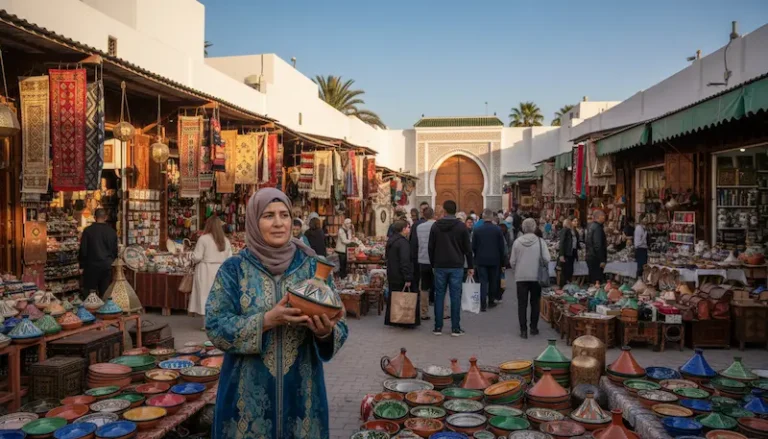
Beyond packing your suitcase, one of the most rewarding experiences is shopping for authentic Moroccan pieces during your travels. The country’s vibrant artisan culture offers beautiful handmade items that blend perfectly with local fashion norms.
Your shopping adventures support traditional crafts while giving you unique clothing options. Many travelers find these locally-made pieces become their favorite travel garments.
Major cities boast incredible independent boutiques showcasing modern Moroccan style. In Marrakesh, visit Hanout Boutique for minimalist caftans or Chabi Chic for ethical craftsmanship.
Your hotel or riad staff can recommend authentic artisan cooperatives. This ensures your purchases directly support local craftspeople.
Consider these shopping highlights across different regions:
Taking time to visit these shops enhances your understanding of Moroccan culture. You’ll discover comfortable clothing options perfect for the climate.
Building relationships with shop owners often leads to custom pieces and authentic experiences. These interactions create lasting memories beyond typical tourist activities.
With the right wardrobe strategy, you can focus on creating lasting memories instead of worrying about your attire during your Moroccan adventure. Your travel experience becomes richer when clothing supports rather than distracts from your explorations.
Remember the key principles for your trip: versatile layers work for hot sunny days and cool desert evenings. Natural fabrics keep you comfortable while respecting local customs. Comfortable shoes make long days exploring medinas enjoyable.
Your journey will include spectacular sunsets, bustling market days, and peaceful nights at your riad or hotel. Don’t stress about perfect packing—local shops offer beautiful options if needed.
Now you’re ready to embrace Morocco’s magic with confidence. Enjoy every moment of your incredible travel experience!
In major cities like Marrakech or Casablanca, it’s best to avoid very short shorts and skimpy tank tops. Opt for knee-length shorts or capris and tops that cover your shoulders. This shows respect for local culture while keeping you comfortable in the heat.
Comfortable walking shoes are essential for exploring medinas. Sturdy sandals like Birkenstocks are great for cities, while closed-toe shoes are better for desert excursions or hiking in the mountains. Always prioritize support and comfort.
Absolutely! A lightweight scarf or pashmina is a versatile accessory. You can use it to cover your shoulders when entering religious sites, protect yourself from the sun, or even stay warm during cool desert nights. It’s a packing must-have.
Evenings can be cooler, especially in the desert or mountains. Layering is key. A light jacket or cardigan over your day outfit works perfectly. In cities, you’ll see a mix of modern and traditional styles, so smart-casual attire is generally acceptable for dinners.
Feel free to contact us via email, phone, or WhatsApp chat.
Explore the rich history and techniques of Moroccan pottery, and find out how
Discover the fascinating history and symbolism behind the iconic Morocco flag. Learn the
Discover the fascinating history, symbolism, and spiritual protection of the hamsa hand. Learn
Discover the beauty of the Atlas Mountains with unforgettable trekking in Morocco Atlas
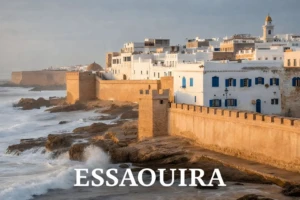
Your guide to the top things to see and do in the vibrant
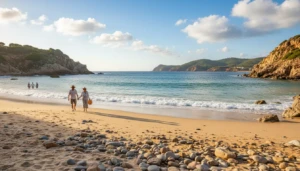
Your guide to the top Morocco beaches for an unforgettable seaside vacation. Plan
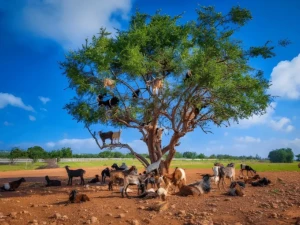
Discover the secret behind Morocco’s famous goats in trees, learn why they climb