
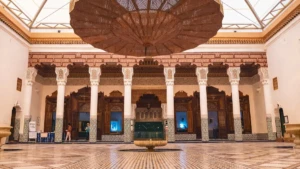
Discover the Wonders of Marrakech Museum
Discover the wonders of Marrakech Museum and immerse yourself in the vibrant history
Did you know Morocco is home to many ancient fortresses known as kasbahs, some of which have stood for centuries? These impressive structures reflect the country’s deep history and rich cultural heritage.
Exploring kasbahs reveals their important role in Moroccan architecture and history. A kasbah is more than a fortress; it is a symbol of Morocco’s past that continues to shape its present. Kasbahs in Morocco began appearing as fortified structures around the 11th century, particularly during the Almoravid period, although many of the kasbahs seen today were built or expanded in later centuries.
Learning about Kasbahs is key to understanding Moroccan history and culture. These structures have played a big role in the country’s growth. As you explore Kasbahs, you’ll see they’re more than just old buildings. They are living pieces of Morocco’s rich heritage.
A Kasbah is a type of fortified structure found in Morocco. It’s like a walled city that has had many uses over time. Kasbahs are built strong, with thick walls made of earth or stone, to keep out invaders.
They are often built on hills or near important trade routes. Their design is a mix of defense and beauty. This makes them stand out.
Kasbahs have been very important in Moroccan history. They were not just for defense but also as places for leaders to live and work. In some cases, they were whole cities.
They played a big role in the social and economic life of the areas around them. By learning about Kasbahs, you understand more about Morocco’s past. You see how these structures helped shape the country’s culture.
The history of Kasbahs is closely tied to Morocco’s story. It shows the country’s strategic value, cultural variety, and architectural skill.
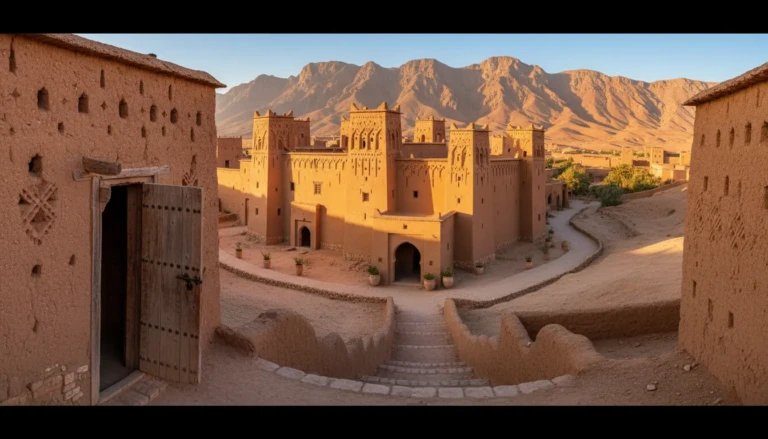
Exploring the Kasbahs of Morocco reveals a rich history and culture. These structures have been key to Morocco for centuries. They’ve served as fortresses and palaces.
Kasbahs in Morocco started with Islamic rule. They were built to protect cities from invaders. Later, they became centers for administration, housing governors and their teams.
The early Kasbahs mixed Islamic, Berber, and Mediterranean styles. This mix shows Morocco’s unique position between Africa and Europe.
Each Moroccan dynasty left its mark on Kasbahs. The Almoravid and Almohad dynasties added advanced defenses and decorations. Their work is a highlight of Kasbah architecture.
Later, the Saadi and Alaouite dynasties made changes. Some Kasbahs became palaces or administrative centers. This shows their ability to adapt and survive.
The colonial era changed Morocco’s Kasbahs. Colonial powers repurposed them, adding new architectural features. This period introduced new styles to Kasbahs.
Yet, many Kasbahs kept their historical and cultural value. Today, they are symbols of Morocco’s complex history and heritage.
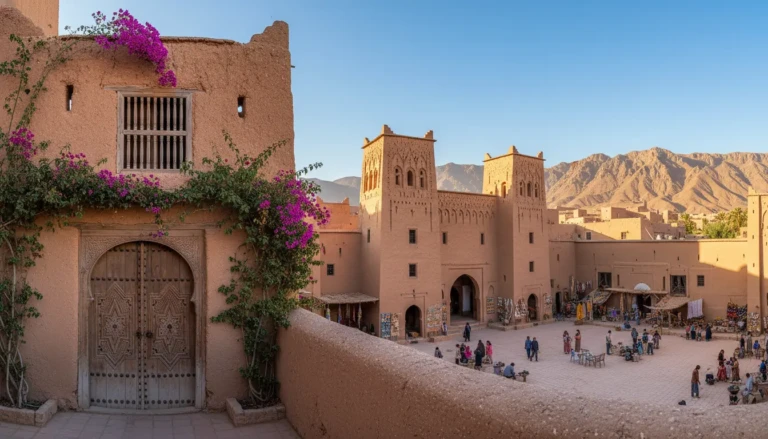
Kasbah architecture in Morocco is a mix of beauty and function. It shows the country’s varied cultural influences. You’ll see defensive features, artistic touches, and old construction methods.
Kasbahs stand out with their strong build. They have thick walls of rammed earth or stone. The walls have battlements for defense. Look for:
These features helped keep people safe. They also showed the Kasbah’s role in society and economy.
Kasbahs were built to be safe. Builders used many ways to make them strong, like:
| Defensive Feature | Description | Construction Technique |
|---|---|---|
| Thick Walls | Made of rammed earth or stone, these walls provided a strong barrier against invaders. | Rammed earth construction involved compacting soil into formwork to create solid walls. |
| Battlements | Alternating high and low sections on the wall tops allowed defenders to shelter while firing at attackers. | Built using stone or brick, these were often topped with crenellations. |
| Corner Towers | Provided strategic vantage points for surveillance and defense. | Constructed similar to the main walls, often slightly taller. |
Kasbahs are also known for their beauty. They have detailed tile work, called Zellij, and carved wood or stone. These show the artistic styles of Morocco’s past rulers.
Exploring Morocco’s Kasbahs, look at these details. They tell the story of Morocco’s rich culture and history.
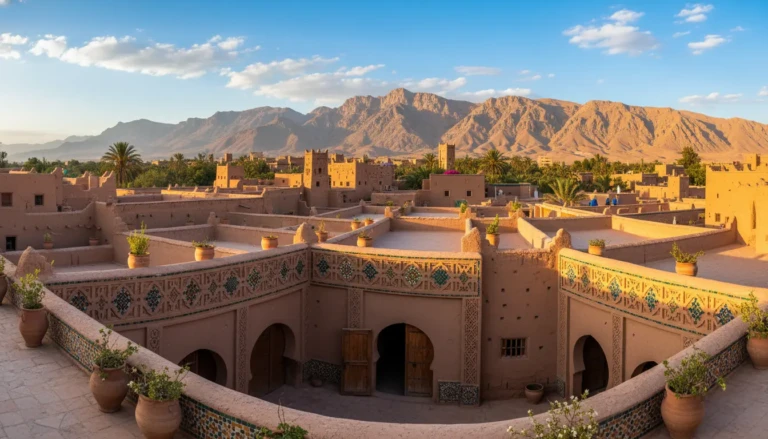
Kasbahs in Morocco show a wide range of architectural styles. These styles reflect the country’s diverse cultures and landscapes. Each Kasbah has its own unique look, shaped by its location.
Kasbahs in the north mix Arab and Mediterranean styles. They remind us of ancient cities. In contrast, southern Kasbahs follow Berber traditions, with earthy colors and strong designs.
For example, Kasbahs in Marrakech and Ouarzazate are famous for their earth construction and patterns.
Kasbahs by the coast, like Rabat’s Kasbah of the Udayas, show their maritime history. They have thick walls and watchtowers.
Mountain Kasbahs, like Telouet in the Atlas Mountains, focus on defense. They have high walls, narrow entrances, and sometimes a citadel. The mountain climate affects their materials and building methods.
Learning about these differences helps us appreciate Morocco’s Kasbahs more. It also gives us a glimpse into the country’s rich culture and history.
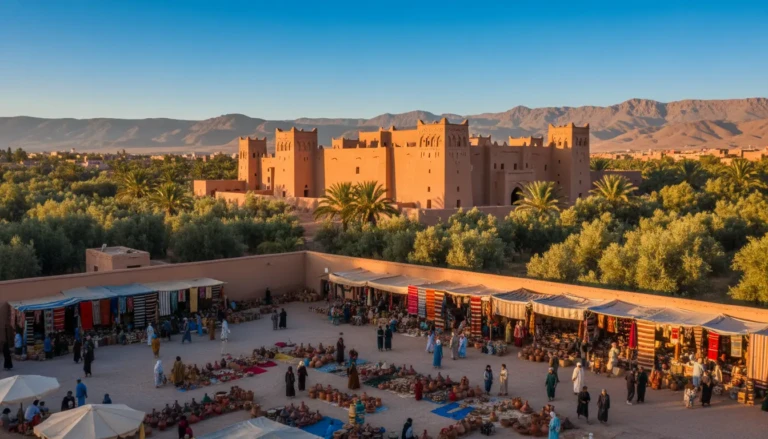
Exploring Morocco’s Kasbahs is a unique adventure. It gives you a peek into the country’s history and architecture. Morocco is famous for its Kasbahs, which are key to its past. Visiting them is a rewarding experience.
Ait Ben Haddou is Morocco’s most famous Kasbah and a UNESCO World Heritage Site. It’s near Ouarzazate and has earthen buildings. Visitors can walk narrow alleys, see an ancient mosque, and enjoy great views.
The Kasbah of the Udayas is in Rabat. It’s a 17th-century fortress with views of the Atlantic Ocean. You can explore its streets, visit the Museum of Moroccan Arts, and see beautiful gardens.
Taourirt Kasbah is in Ouarzazate’s heart. It shows the region’s architectural style. The Kasbah has detailed wooden decorations and ornate ceilings. Visitors can see its rooms and courtyards, learning about its past.
Telouet Kasbah is in the Atlas Mountains. It’s a 19th-century fortress once home to the Glaoui family. It’s known for its architecture and surroundings. Visitors can see its reception areas, living quarters, and a large courtyard.
| Kasbah | Location | Notable Features |
|---|---|---|
| Ait Ben Haddou | Near Ouarzazate | UNESCO World Heritage Site, Earthen buildings |
| Kasbah of the Udayas | Rabat | 17th-century fortress, Ocean views |
| Taourirt Kasbah | Ouarzazate | Intricate wooden decorations, Ornate ceilings |
| Telouet Kasbah | Atlas Mountains | 19th-century fortress, Glaoui family residence |
Visiting these Kasbahs lets you see Morocco’s history and culture. They are perfect for those interested in history, architecture, or exploring new places. Morocco’s Kasbahs are a must-see.
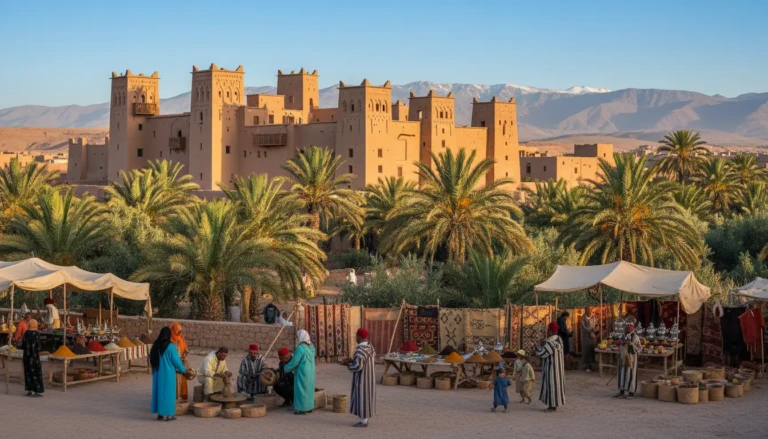
Kasbahs are more than old buildings; they are symbols of Moroccan strength and tradition. For centuries, they have been key parts of Moroccan life. They were centers of power, community spots, and signs of cultural identity.
Kasbahs have always been important in Moroccan society. They were places for government, markets, and homes of leaders. Now, they are big tourist draws, helping the local economy and sharing culture.
Visitors from all over come to see Kasbahs, creating jobs and boosting local businesses. For example, Ait Benhaddou Kasbah, a UNESCO site, brings in thousands of tourists. This supports local guides, hotels, and craftspeople.
| Kasbah | Location | Economic Impact |
|---|---|---|
| Ait Benhaddou | Ouarzazate | High tourism revenue |
| Kasbah of the Udayas | Rabat | Significant cultural and tourist value |
| Telouet Kasbah | Atlas Mountains | Growing tourism, local handicrafts |
Kasbahs are a big part of Moroccan identity. They show the country’s rich history and cultural mix. They stand for the Moroccan people’s creativity and strength, showing how they’ve overcome challenges.
The design of Kasbahs shows Morocco’s cultural diversity. They mix traditional Moroccan styles with influences from other cultures. This mix shows Morocco’s role as a place where cultures meet.

Planning your Kasbah tour in Morocco is key. A good plan helps you enjoy the rich history and culture of these fortresses. We’ll guide you through the important steps for planning your trip.
Morocco’s weather changes a lot from north to south and between the coast and desert. Spring (March to May) or autumn (September to November) are the best times to visit Kasbahs. The weather is mild then.
When making your itinerary, think about the distance between Kasbahs. Make sure you have enough time to explore without rushing.
Morocco has many ways to get around, like renting a car, hiring a driver, or using public transport.
For places to stay, you can pick from riads, hotels, or guesthouses. Many are near Kasbahs or easy to get to. Book ahead, as it gets busy during peak seasons.
Guided tours offer deep insights into Kasbah history and culture. Independent exploration lets you find hidden spots on your own.
Think about what you like and how you travel. Many choose a mix of both. Guided tours for main sites and exploring freely for a personal touch.
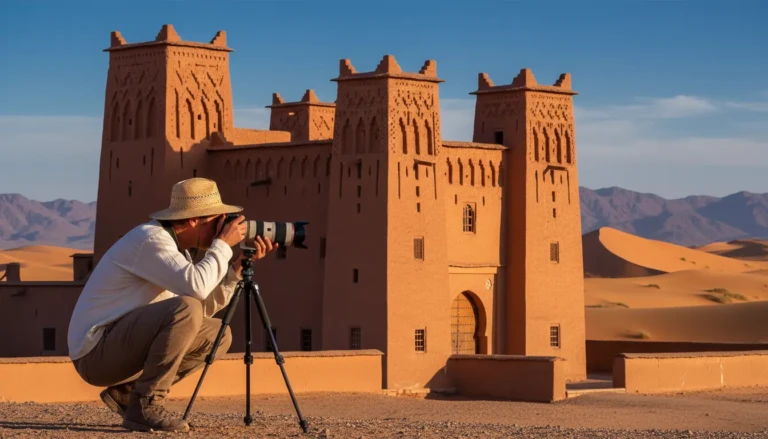
Exploring Morocco’s Kasbahs is a unique adventure. You can capture their beauty through photography and dive into local culture. To fully enjoy your visit, learn how to take authentic photos and respect the local community.
Photography at Kasbahs needs the right timing and angles. The best times are early morning and late afternoon for the soft, golden light. Try different angles, like low or high shots, to make your photos interesting.
Connecting with locals is key to the Kasbah experience. Always be respectful of their customs and traditions. Learning basic Arabic phrases, like greetings, shows respect.
When talking to locals, be mindful of your body language. Dress modestly to avoid any offense.
Kasbahs often host cultural events and activities. Join traditional cooking classes, music shows, or festivals. These experiences will deepen your understanding of Moroccan culture and create unforgettable memories.
Exploring Kasbahs in Morocco reveals they are more than old fortresses. They open doors to the country’s rich culture and its role in shaping Moroccan identity.
The Kasbahs showcase Morocco’s varied past through their architecture and history. Visiting them lets you see the beauty and depth of Moroccan heritage up close.
Visiting the Kasbahs leaves a lasting mark. Whether it’s their history, architecture, or cultural value, they make a strong impression. Reflecting on your Kasbah journey, you’ll appreciate these fortresses more. They embody the heart of Morocco and its lasting charm.
A Kasbah is a traditional Moroccan fortress. It reflects the rich heritage of Morocco. Kasbahs were centers of power, administration, and sometimes, entire cities.
Kasbahs are key in Moroccan culture and history. They show the country’s complex past. They are symbols of its rich cultural heritage.
Traditional Kasbah architecture is unique. It combines functionality and beauty. Features include thick walls, defensive structures, and decorative elements from various Moroccan dynasties.
Kasbahs have changed through different Moroccan dynasties. Each ruler left their mark. They were also influenced by colonial powers, creating a rich architectural heritage.
Feel free to contact us via email, phone, or WhatsApp chat.
Discover the wonders of Marrakech Museum and immerse yourself in the vibrant history
Discover the stunning Legzira Beach in Morocco – a must-visit destination with towering
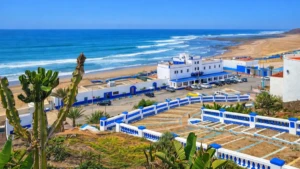
Explore the best things to do in Sidi Ifni, from beaches and views
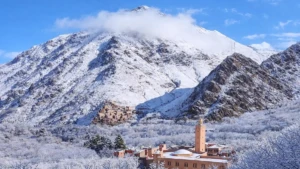
Discover the top things to do in Imlil, Morocco, from hiking the Atlas
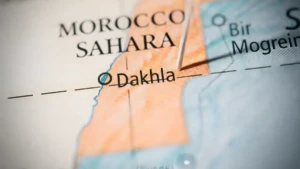
Discover the top things to do in Dakhla, Morocco—your ultimate guide to this
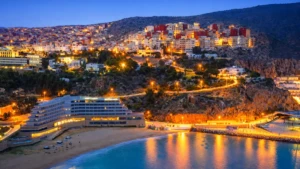
Plan your perfect trip to Al Hoceima, Morocco. Our how-to guide reveals the
Your guide to the best things to do in Saidia, Morocco. Discover the